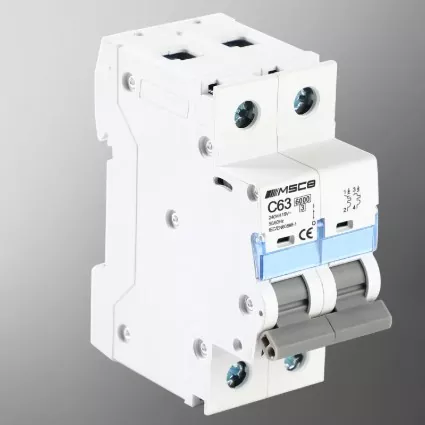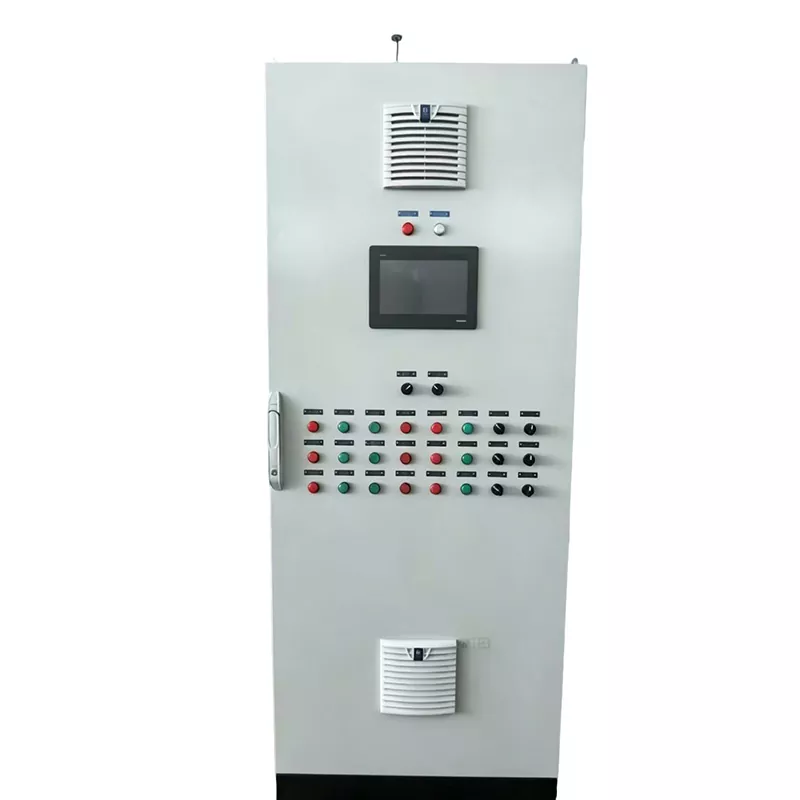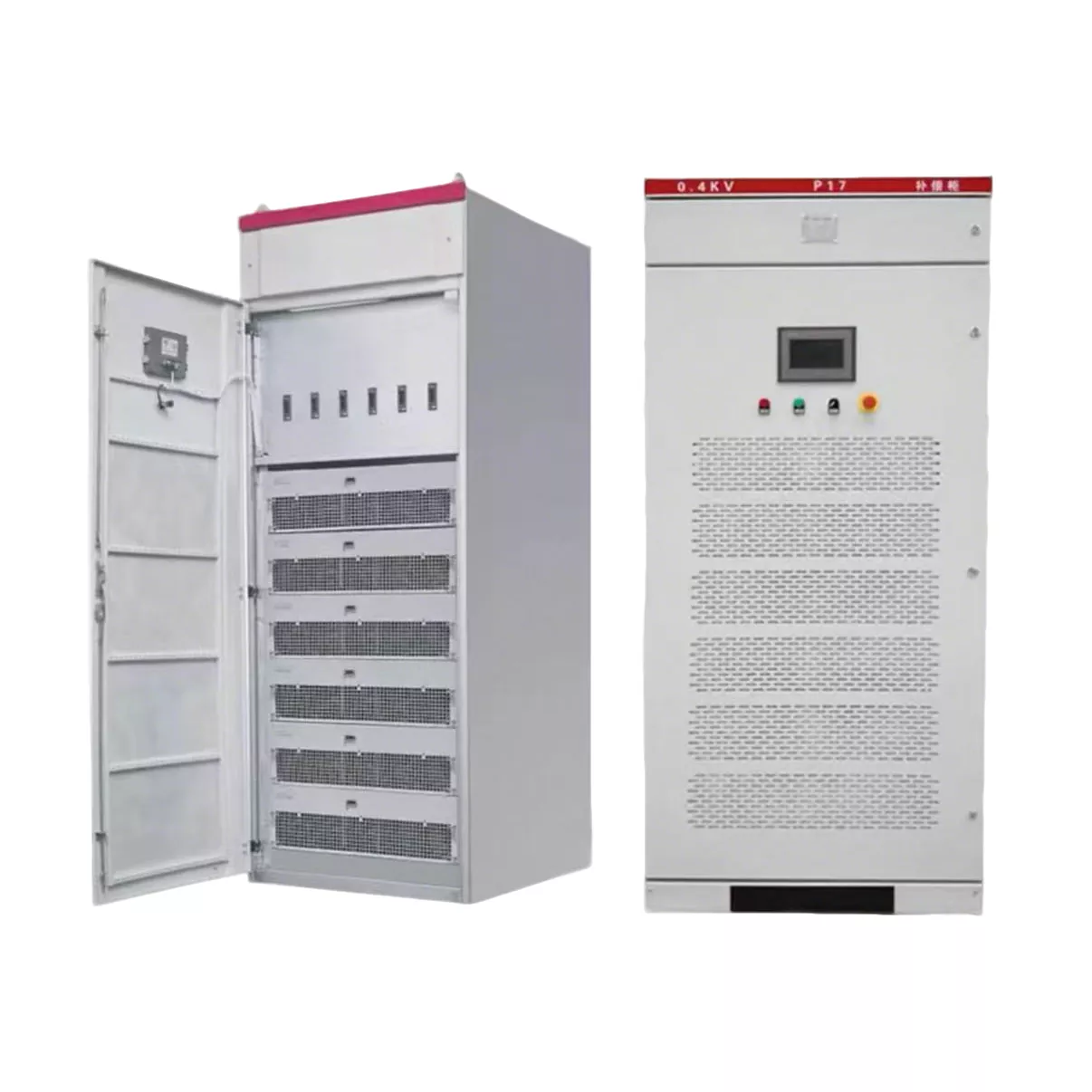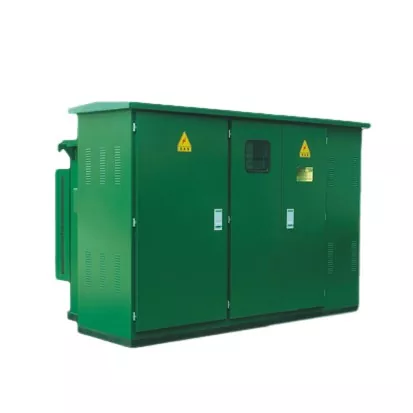

Modern electrical systems face constant threats from voltage spikes, lightning strikes, switching surges, and unstable power conditions. A Surge Protective Device (SPD) is one of the most effective solutions for preventing costly electrical damage, reducing downtime, and extending the service life of sensitive equipment. This guide explains how SPDs work, why they are essential, and how businesses and homeowners can choose the right protection solution.
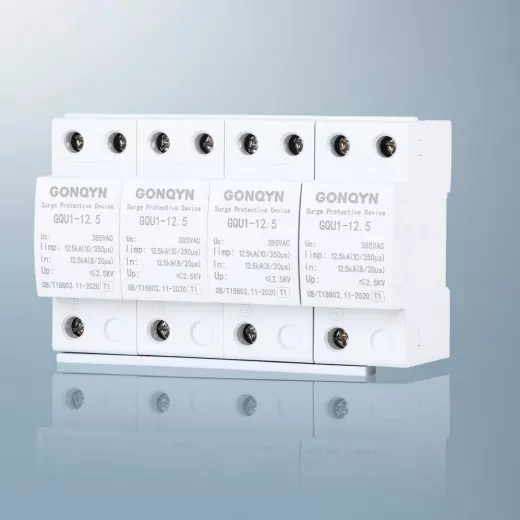
Power surges can instantly destroy expensive electrical equipment, interrupt operations, and create safety hazards. Surge Protective Devices are engineered to divert excessive voltage away from critical systems, protecting appliances, industrial machines, communication systems, and power distribution networks. In this article, you will learn how SPDs function, the major causes of electrical surges, installation recommendations, common customer pain points, and how Junray Electrical provides reliable surge protection solutions for various industries.
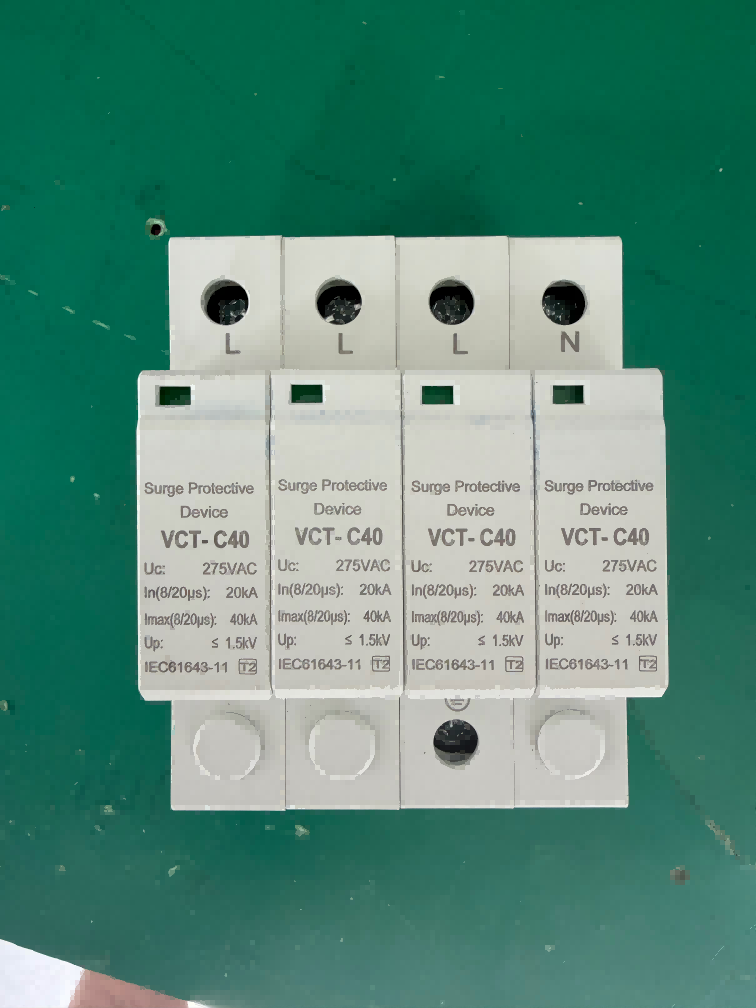
A Surge Protective Device, commonly called an SPD, is an electrical protection component designed to shield electrical systems from transient overvoltage events. These sudden spikes in voltage can occur within milliseconds but may cause severe damage to electronics, control panels, motors, communication systems, and industrial equipment.
An SPD detects abnormal voltage conditions and safely redirects excess energy to the grounding system before the surge reaches connected equipment. This protection significantly lowers the risk of electrical failures and expensive repairs.
Businesses today rely heavily on automated systems, data centers, smart manufacturing equipment, and communication networks. Even a brief power surge can lead to production downtime, data loss, and equipment replacement costs.
Surge protection has become a critical requirement in commercial buildings, industrial facilities, renewable energy systems, and residential applications.
Under normal operating conditions, the SPD remains inactive while allowing electricity to flow normally through the system. When voltage suddenly exceeds a safe threshold, the SPD reacts instantly by diverting excessive current away from sensitive equipment.
Most Surge Protective Devices use components such as Metal Oxide Varistors (MOVs), gas discharge tubes, or transient voltage suppression diodes to absorb and redirect surge energy.
| SPD Component | Main Function | Application Benefit |
|---|---|---|
| Metal Oxide Varistor (MOV) | Absorbs excess voltage | Fast response to transient surges |
| Gas Discharge Tube | Redirects surge current to ground | Excellent lightning protection |
| TVS Diode | Clamps voltage rapidly | Protects sensitive electronics |
Once the abnormal voltage disappears, the SPD automatically returns to standby mode and normal power transmission resumes.
This rapid response mechanism helps minimize operational interruptions and equipment damage.
Many businesses underestimate the financial impact of power surges until major damage occurs. Electrical surges can destroy circuit boards, reduce equipment lifespan, and interrupt essential operations.
Without proper surge protection, even minor repeated voltage spikes can gradually weaken electrical components over time.
Many customers focus only on lightning protection, but internal switching surges generated by HVAC systems, motors, elevators, and industrial equipment are actually among the most common causes of electrical damage.
Understanding the source of electrical surges helps businesses implement more effective protection strategies.
| Cause | Description | Potential Risk |
|---|---|---|
| Lightning Strikes | High-energy external voltage surge | Severe equipment destruction |
| Utility Grid Switching | Power company switching operations | Unexpected voltage fluctuations |
| Large Motor Startups | Industrial motors drawing high current | Internal transient surges |
| Faulty Wiring | Damaged or aging electrical systems | Irregular voltage behavior |
| Generator Switching | Backup power transfer events | Sensitive equipment failure |
Facilities operating complex electrical infrastructure should implement layered surge protection to reduce risk across all power distribution levels.
Different applications require different SPD configurations. Selecting the appropriate type ensures optimal protection performance.
| SPD Type | Installation Location | Main Application |
|---|---|---|
| Type 1 SPD | Main service entrance | Lightning protection |
| Type 2 SPD | Distribution panels | Internal surge protection |
| Type 3 SPD | Point-of-use equipment | Electronic device protection |
For industrial environments, combining multiple SPD levels often provides the most comprehensive protection strategy.
You can explore professional surge protection solutions from Junray Electrical here:
https://www.junrayelectrical.com/surge-protective-device.html
Choosing the wrong SPD can result in inadequate protection or unnecessary expenses. Several critical factors should be evaluated before purchasing.
Industrial facilities generally require higher surge current capacities and more robust protection designs compared to residential applications.
One common customer pain point is repeated SPD failure caused by improper product selection. Installing a device with insufficient surge handling capability may lead to premature failure during severe surge events.
Working with an experienced manufacturer helps ensure the correct solution is selected for the application.
Proper installation directly impacts SPD effectiveness. Even high-quality surge protectors may perform poorly if incorrectly installed.
Routine maintenance and inspection are especially important in regions with frequent lightning activity or unstable power grids.
Surge protection is essential across numerous industries where uninterrupted power and equipment reliability are critical.
| Industry | SPD Application |
|---|---|
| Manufacturing | Production line equipment protection |
| Telecommunications | Network and signal system stability |
| Solar Energy | PV inverter and DC circuit protection |
| Healthcare | Medical equipment reliability |
| Data Centers | Server and storage system safety |
| Commercial Buildings | Building automation protection |
As automation and digital infrastructure continue expanding, surge protection becomes increasingly important for maintaining operational continuity.
Junray Electrical specializes in high-performance electrical protection solutions designed for industrial, commercial, and infrastructure applications. The company focuses on product reliability, safety, and long-term performance under demanding operating conditions.
Customers working with Junray Electrical benefit from:
Whether protecting industrial machinery, renewable energy systems, communication networks, or commercial facilities, Junray Electrical provides dependable Surge Protective Device solutions tailored to modern electrical environments.
The lifespan of an SPD depends on surge frequency, surge intensity, environmental conditions, and product quality. High-quality industrial SPDs can operate for many years under proper installation conditions.
Yes. Type 1 Surge Protective Devices are specifically designed to handle high-energy surges caused by lightning strikes and external power disturbances.
Yes. Residential, commercial, and industrial buildings all benefit from surge protection because voltage spikes can occur in any electrical system.
Absolutely. SPDs help prevent electrical damage that could otherwise lead to unexpected shutdowns, repair delays, and production interruptions.
Without surge protection, sensitive equipment remains vulnerable to transient overvoltage events, which may result in equipment failure, fire hazards, and costly repairs.
Power surges can strike at any time and cause expensive damage to critical systems. Choosing the right Surge Protective Device is essential for maintaining operational stability, protecting valuable equipment, and reducing long-term maintenance costs.
Junray Electrical provides dependable surge protection solutions engineered for industrial, commercial, and infrastructure applications worldwide.
If you are looking for professional Surge Protective Device solutions, customized recommendations, or technical assistance, contact us today and let Junray Electrical help safeguard your electrical systems with reliable protection technology.
Contact Us