


Article Summary: A reliable outdoor power distribution system must balance electrical protection, weather resistance, metering, maintenance convenience, and project adaptability. A JP Distribution Cabinet combines these functions into an integrated low-voltage distribution solution for rural power grids, residential communities, industrial parks, municipal projects, photovoltaic grid connections, and other outdoor applications. This guide explains its working role, key specifications, protection features, application scenarios, customization options, and practical value for power distribution projects.
Table of Contents
What Is a JP Distribution Cabinet?
What Are the Key Specifications?
How Does It Protect Outdoor Electrical Equipment?
Which Functions Can Be Integrated?
What Can a Rural Grid Retrofit Project Achieve?
How Should Buyers Select the Right Cabinet?
What Is a JP Distribution Cabinet?
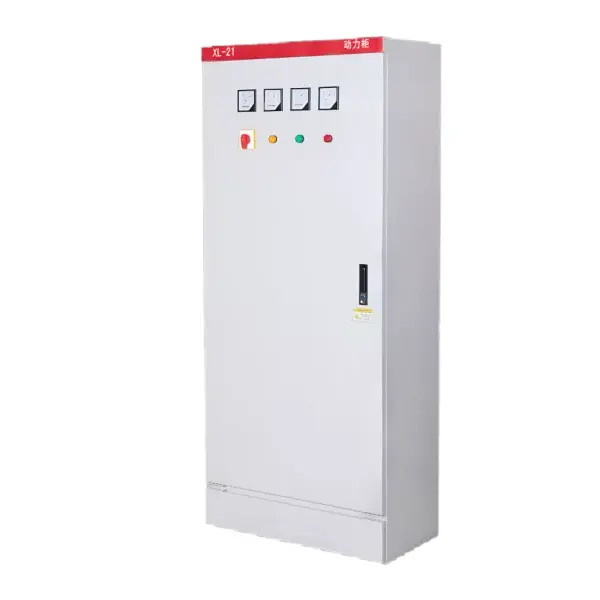
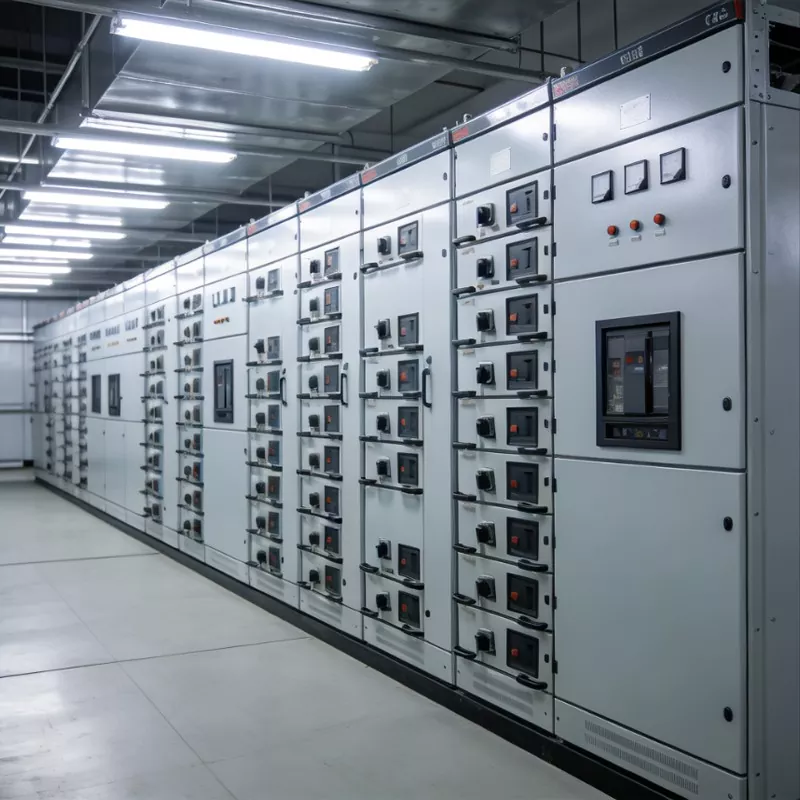
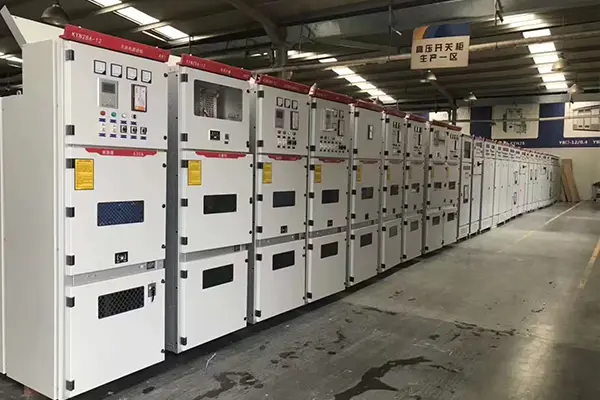
A JP Distribution Cabinet is an outdoor low-voltage integrated distribution device designed to combine several electrical functions within one cabinet. Junray Electrical manufactures this type of equipment in China for applications requiring compact, protected, and configurable low-voltage distribution solutions.
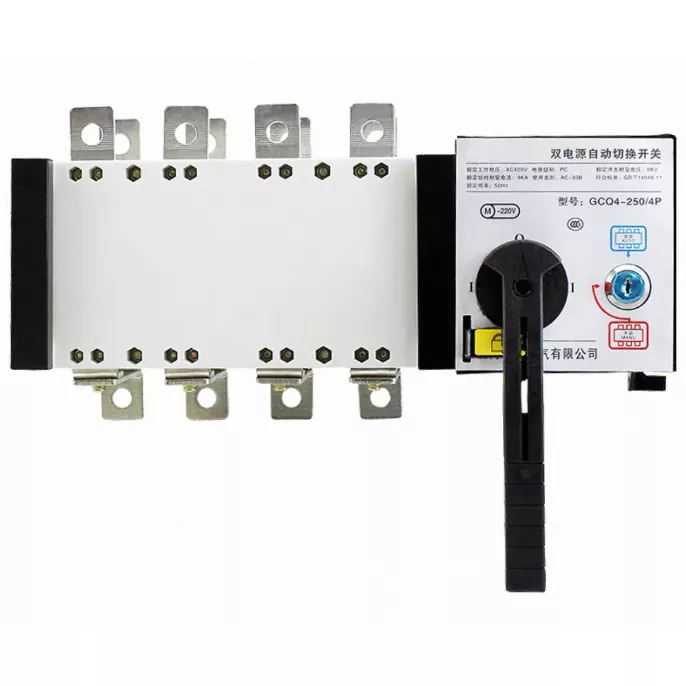
Unlike a basic distribution box that may provide only circuit distribution, the JP configuration can integrate power distribution, electrical metering, outgoing circuits, reactive power compensation, leakage protection, and other electrical components. This integrated approach can reduce the need for separate equipment and simplify installation and maintenance.
The cabinet is designed for AC 50Hz, 380V/220V low-voltage distribution systems. Depending on project requirements, it can support floor-mounted or pole-mounted installation, making it suitable for transformer areas and other outdoor power distribution points.
- Outdoor low-voltage power distribution
- Power metering and monitoring
- Reactive power compensation
- Overload and short-circuit protection
- Leakage protection
- Customized cabinet configuration
What Are the Key Specifications?
Technical specifications should be evaluated according to the transformer capacity, installation environment, circuit arrangement, protection requirements, and local electrical standards. The following parameters provide a useful starting point when comparing outdoor integrated distribution equipment.
| Parameter | Typical Specification | Project Consideration |
|---|---|---|
| Rated Voltage | AC 380V | Suitable for common low-voltage distribution systems |
| Rated Frequency | 50Hz | Designed for standard AC power distribution applications |
| Protection Level | IP54 | Supports outdoor dust and water protection |
| Cabinet Material | Cold-rolled steel with coating / stainless steel | Selected according to environmental conditions |
| Installation | Floor-mounted / Pole-mounted | Suitable for different distribution-area layouts |
| Configuration | Customized | Components and cabinet dimensions can be adapted |
For engineering procurement, buyers should confirm rated current, transformer capacity, number of outgoing circuits, cabinet dimensions, protection functions, metering requirements, and installation conditions before finalizing the configuration.
How Does It Protect Outdoor Electrical Equipment?
Outdoor electrical cabinets face rain, dust, sunlight, temperature changes, humidity, and potential unauthorized access. Therefore, enclosure design is just as important as the electrical components installed inside.
The JP design uses an outdoor-oriented enclosure with rainproof structures, sealing strips, and a closed cabinet construction. Its IP54 protection level helps limit dust ingress and protect against water splashing from different directions under applicable installation conditions.
For long-term outdoor deployment, cabinet material and surface treatment are also important. Thickened cold-rolled steel with electrostatic powder coating or stainless-steel construction can be selected according to the environment. These measures help improve resistance to corrosion, aging, and weather exposure.
- Rainproof enclosure structure for outdoor deployment
- Sealing elements to reduce dust and water entry
- Surface treatment for improved environmental durability
- Closed cabinet structure for equipment protection
- Optional material configurations for different environments
Which Functions Can Be Integrated?
One of the main advantages of an integrated outdoor cabinet is the ability to combine multiple electrical functions in one enclosure. Instead of purchasing and installing several separate units, project engineers can configure the cabinet around the actual distribution requirements.
Power Distribution and Outgoing Circuits
The cabinet can accommodate a main incoming circuit and multiple outgoing circuits. This structure helps organize power distribution from the transformer area to downstream loads while simplifying cabinet layout and maintenance.
Power Metering
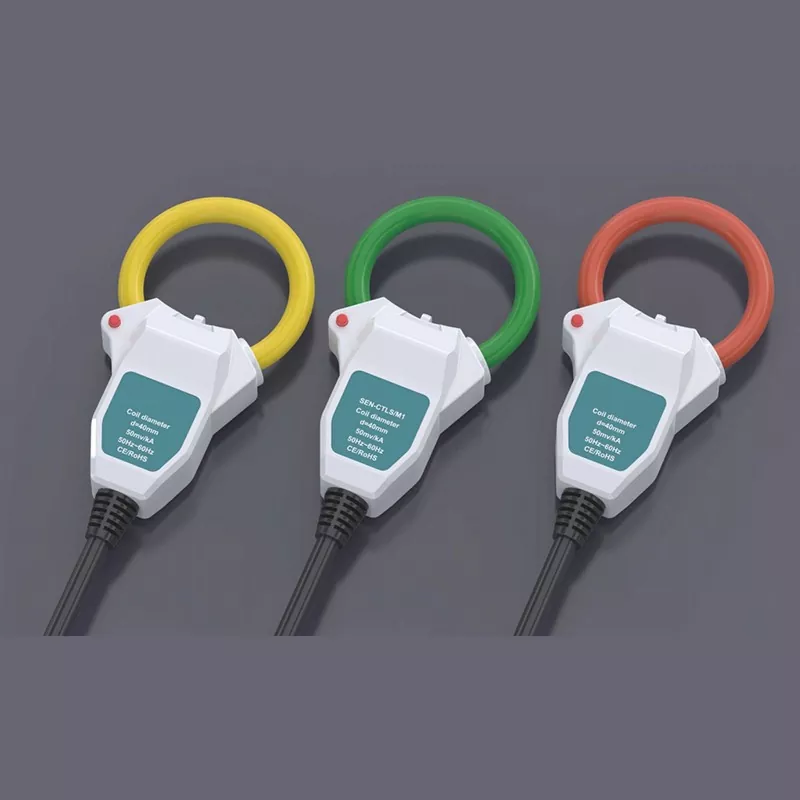
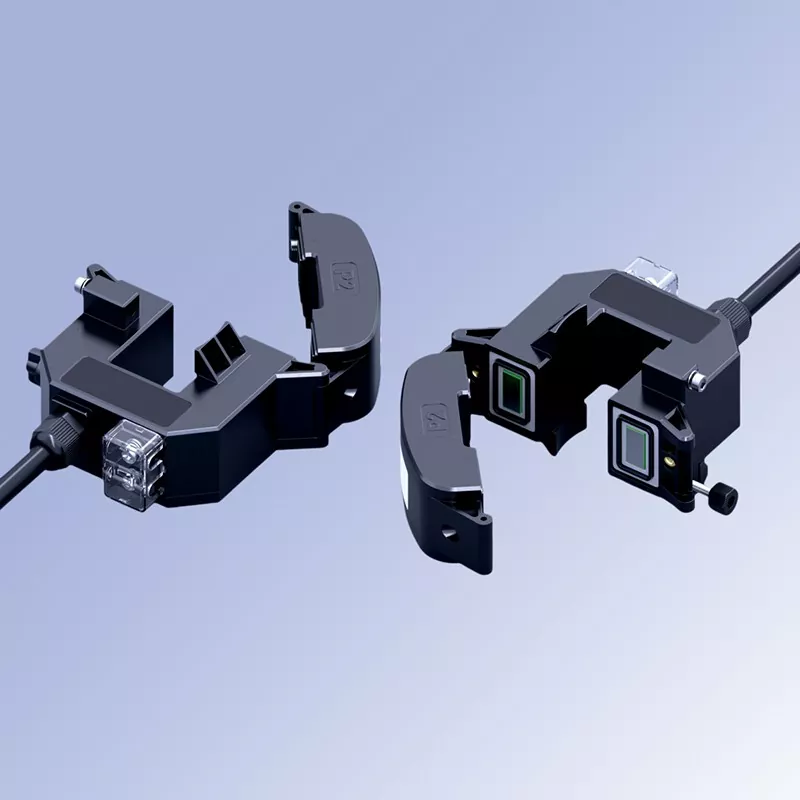
Metering components can be incorporated into the cabinet to support electricity measurement and project-specific monitoring requirements. This is particularly useful in residential distribution areas, rural grids, industrial parks, and other managed power systems.
Reactive Power Compensation
Reactive power compensation can help address power-factor-related requirements in distribution systems containing inductive loads. In projects with fluctuating loads or distributed photovoltaic generation, intelligent compensation can also be configured according to system requirements.
Electrical Protection
Protection components can be configured to address common electrical faults, including overload, short circuit, overvoltage, and leakage. Additional lightning protection modules may also be incorporated for outdoor applications where surge and lightning exposure require attention.
Where Is It Commonly Used?
The combination of outdoor protection, integrated functionality, and flexible installation makes this equipment applicable to multiple low-voltage distribution scenarios.
| Application | Typical Requirement | Why an Integrated Cabinet Helps |
|---|---|---|
| Rural Power Grids | Distribution, protection, metering | Combines several functions in a standardized outdoor unit |
| Residential Communities | Outdoor low-voltage distribution | Provides organized and protected distribution |
| Industrial Parks | Stable power supply and branch circuits | Supports configurable circuit arrangements |
| Municipal Projects | Lighting, pumps, charging infrastructure | Adapts to different outdoor electrical loads |
| PV Grid Connection | Distribution and reactive power management | Can integrate metering, protection and compensation functions |
| Infrastructure Projects | Temporary or permanent power distribution | Flexible installation and configuration |
What Can a Rural Grid Retrofit Project Achieve?
A practical rural grid retrofit scenario demonstrates why integrated outdoor distribution equipment can be valuable. In one documented retrofit configuration, an aging distribution area faced disorganized low-voltage feeders, insufficient leakage protection, low power factor, voltage fluctuations, and additional challenges caused by distributed photovoltaic generation.
The retrofit plan used standardized outdoor integrated cabinets at distribution transformer areas. The configuration combined incoming protection, outgoing circuits, metering, reactive power compensation, leakage protection, and data collection functions.
For distribution zones rated around 100kVA or 200kVA, the referenced configuration used a 0.4kV three-phase four-wire system, outdoor rainproof and dustproof construction, IP54 protection, and either pole-mounted or ground-mounted installation.
The reported operational results included improved power factor, reduced distribution losses, more stable voltage, stronger electrical protection, and simplified operation and maintenance. These results illustrate how cabinet integration can address multiple distribution problems simultaneously rather than treating each issue as an isolated equipment requirement.
How Should Buyers Select the Right Cabinet?
Choosing an outdoor distribution cabinet should start with the electrical system rather than the cabinet appearance. A clear technical specification can reduce procurement risks and prevent costly modifications during installation.
- Confirm the electrical system: Identify rated voltage, frequency, phase arrangement, transformer capacity, and expected load.
- Define outgoing circuits: Determine the number and type of downstream circuits before selecting the internal layout.
- Evaluate environmental conditions: Consider rain, dust, sunlight, humidity, temperature variation, corrosion, and installation exposure.
- Determine protection requirements: Specify overload, short-circuit, leakage, overvoltage, phase-loss, and lightning protection requirements where applicable.
- Review metering needs: Establish whether conventional metering, data collection, or remote monitoring is required.
- Choose the installation method: Pole-mounted and ground-mounted configurations should be selected according to the transformer area and available installation space.
- Confirm customization requirements: Cabinet dimensions, openings, internal components, circuit configuration, and other non-standard requirements should be finalized before production.
For project buyers, working with an experienced low-voltage switchgear manufacturer can also simplify the transition from electrical design to cabinet production, testing, delivery, and installation support.
FAQ
What is the main purpose of a JP Distribution Cabinet?
Its main purpose is to provide integrated outdoor low-voltage power distribution. Depending on configuration, it can combine distribution control, metering, reactive power compensation, leakage protection, and other electrical functions in one cabinet.
Can a JP cabinet be installed outdoors?
Yes. The equipment is specifically designed for outdoor low-voltage distribution. Its rainproof enclosure and IP54 protection level are intended to help protect internal electrical components from dust and water exposure under suitable installation conditions.
Can the cabinet be pole-mounted?
Yes. Pole-mounted installation is one of the supported installation methods. It is particularly useful in distribution transformer areas where floor space is limited and the cabinet needs to be positioned close to the transformer.
Can the cabinet be customized?
Yes. Customization can include cabinet dimensions, openings, internal electrical components, circuit configuration, and project-specific functions. The exact configuration should be confirmed according to transformer capacity and site requirements.
Is it suitable for photovoltaic distribution projects?
It can be configured for distribution areas involving distributed photovoltaic generation. A suitable configuration may combine power distribution, metering, reactive power compensation, protection, and data collection to address the operational requirements of PV-integrated low-voltage systems.
Conclusion
Outdoor power distribution requires more than simply placing electrical components inside a metal enclosure. Protection, circuit organization, metering, reactive power management, maintenance access, installation method, and environmental durability all influence the performance of a distribution system. A properly configured JP Distribution Cabinet brings these functions together in a compact outdoor solution, making it suitable for rural grid upgrades, residential communities, industrial parks, municipal projects, PV integration, and other low-voltage applications.
For customized outdoor distribution requirements, Junray Electrical provides professional manufacturing, configuration, and project-oriented support. If you are planning a rural grid renovation, transformer-area upgrade, photovoltaic distribution project, or other outdoor low-voltage application, contact us to discuss your voltage level, transformer capacity, circuit configuration, installation method, protection requirements, and customization needs.