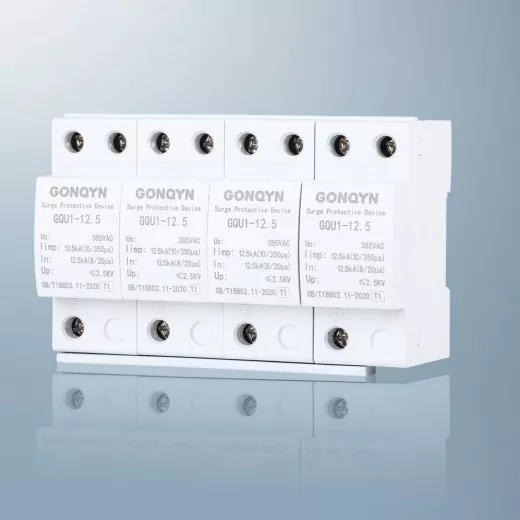

In the budget sheets for PV and energy storage projects, Surge Protective Devices (SPDs) are often the first components to be “value-engineered” out. As a procurement manager or project lead, you might think: “As long as it’s installed, buying a cheaper, generic brand will save us significant money.”
But the reality is often harsh: A single transient overvoltage—caused by lightning or switching operations—can destroy the mainboard of your expensive inverter, as well as communication modules and meters, in microseconds.
Let’s face the facts:
A mainstream 50kW inverter costs anywhere from $3,000 to $5,000 or more. Meanwhile, a set of high-quality, IEC-compliant SPDs typically accounts for only a few percentage points of the inverter’s price—not just 1–2%. By saving a few dozen dollars on cheaper SPDs, you risk:
· Direct asset loss: If protection fails, replacing the inverter costs hundreds or thousands of times the price difference of the SPD.
· Downtime revenue loss: Equipment repair often takes 2–4 weeks. During this time, your plant generates zero power, hurting both immediate revenue and your ROI timeline.
· Collateral damage: Overvoltages often don’t just burn out the inverter; they can also fry downstream communication modules, data loggers, and meters, paralysing your entire monitoring system.
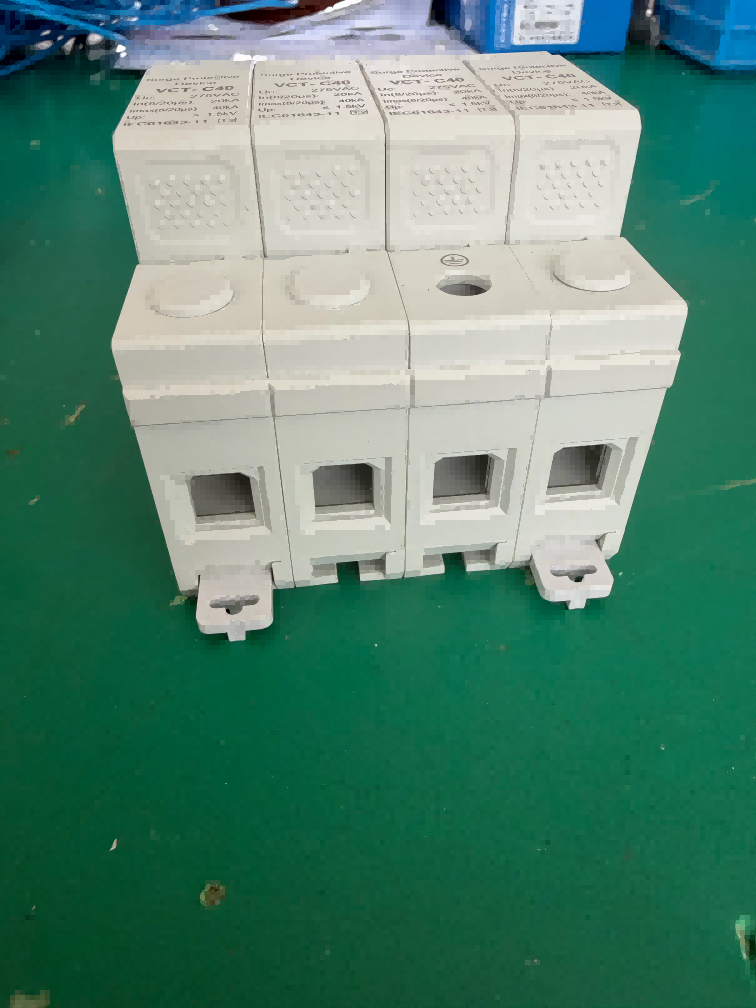
Many low-cost SPDs claim high specifications but hide serious risks:
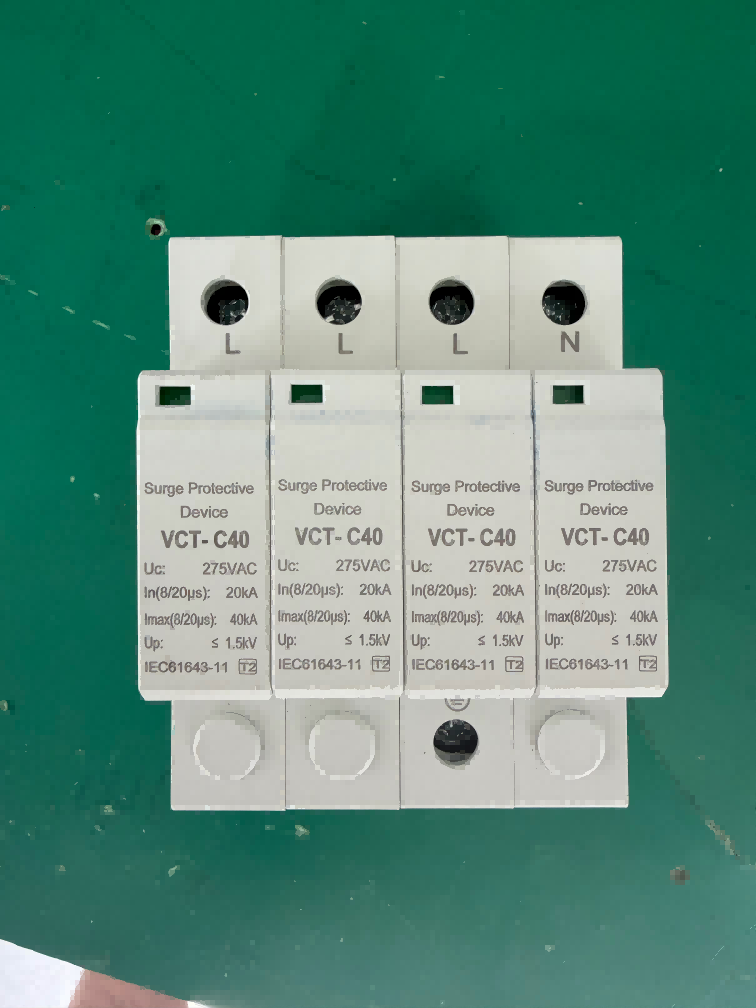
· Fake surge current ratings: Labeled as 40kA, but may actually handle only 10kA—leading to explosion during major surges.
· Inaccurate voltage protection levels and high residual voltage: Even if they claim nanosecond response, poor products fail to clamp the voltage below the inverter’s withstand capability, so the surge still enters your equipment.
· Lack of thermal disconnection: They may fail to disconnect from the grid when aging or short-circuiting, potentially causing fires.
· Neglect of switching overvoltages: Cheap SPDs often only specify lightning parameters, but provide little suppression for frequent switching transients from grid cut-in/out or equipment start/stop—which are actually among the top daily causes of inverter damage in PV systems.
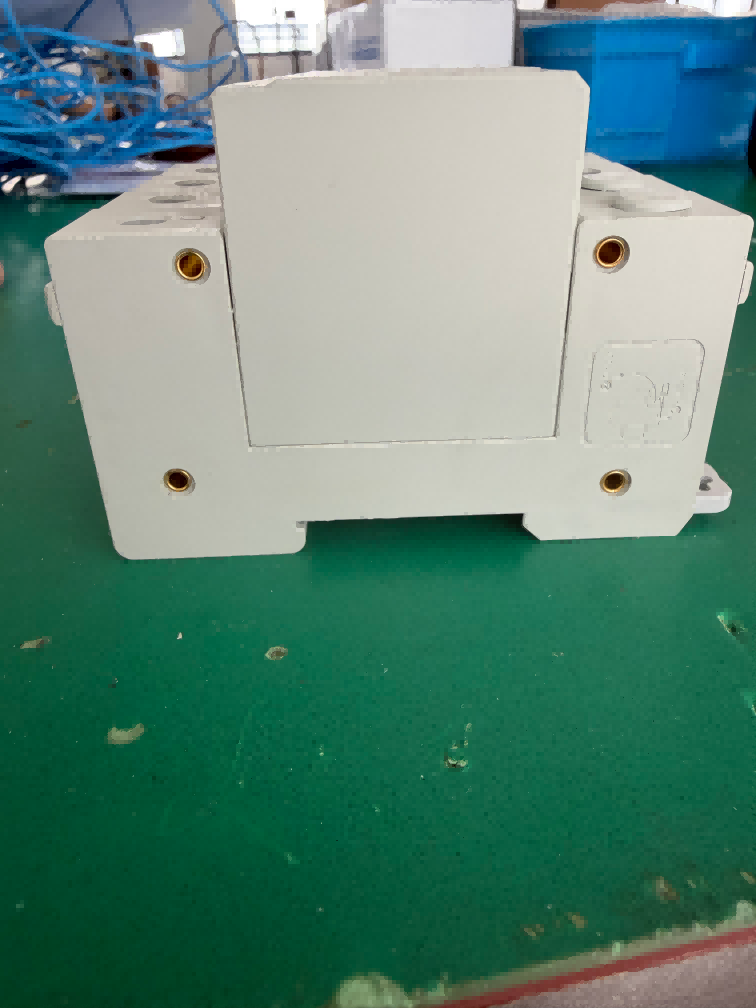
Don’t gamble with your critical equipment. When selecting SPDs, focus on these three points:
1. Check certifications and standards: The product must have TÜV, CE, or UL certification, and clearly comply with IEC 61643-31 (performance for DC side) and IEC 61643-32 (selection and application) . Reject uncertified products.
2. Use dedicated SPDs per voltage level: PV DC side can reach up to 1500V, and DC arcs are much harder to extinguish. Therefore, DC and AC SPDs differ significantly in internal construction and arc-quenching capability—never mix them.
3. Consult professionals: Every plant has unique location, grounding resistance, and system topology. A one-size-fits-all approach is neither economical nor reliable.
Unsure which protection level your plant needs?
Our technical team has over 10 years of experience in PV lightning and transient overvoltage protection. Don’t wait until equipment burns out to regret it.