
News

How Does a Low-Voltage Distribution Box Work in Modern Electrical Systems

2026-05-11 0 Leave me a message

Abstract

A Low-Voltage Distribution Box plays a critical role in safely distributing electrical power from a main supply to multiple end circuits. It ensures stable energy management, overload protection, and efficient power allocation in residential, commercial, and industrial environments. This article explains its working principles, structure, applications, selection criteria, and maintenance practices to help users understand how to choose and operate it effectively.

APF Active Power Filter Cabinet

Table of Contents


Overview of Low-Voltage Distribution Box

A Low-Voltage Distribution Box is a fundamental component of electrical infrastructure designed to distribute power safely and efficiently. It receives electricity from a primary source and redistributes it into multiple smaller circuits, ensuring balanced load management and protection against electrical faults.

In modern power systems, these boxes are indispensable for preventing overload, short circuits, and electrical hazards while maintaining system reliability.


What Is a Low-Voltage Distribution Box?

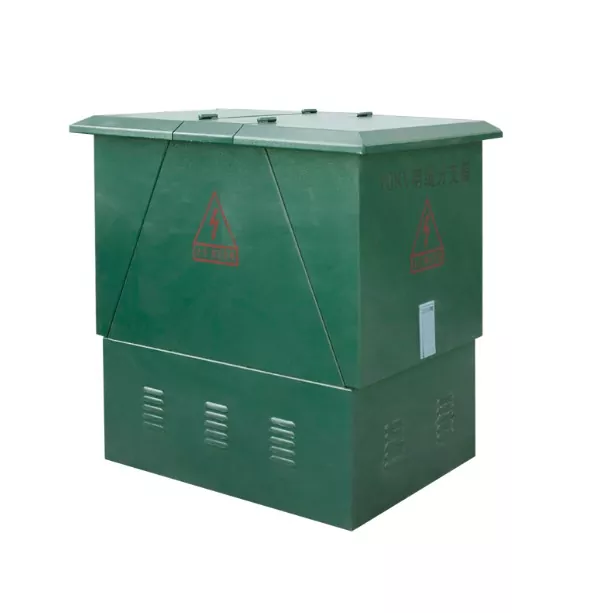
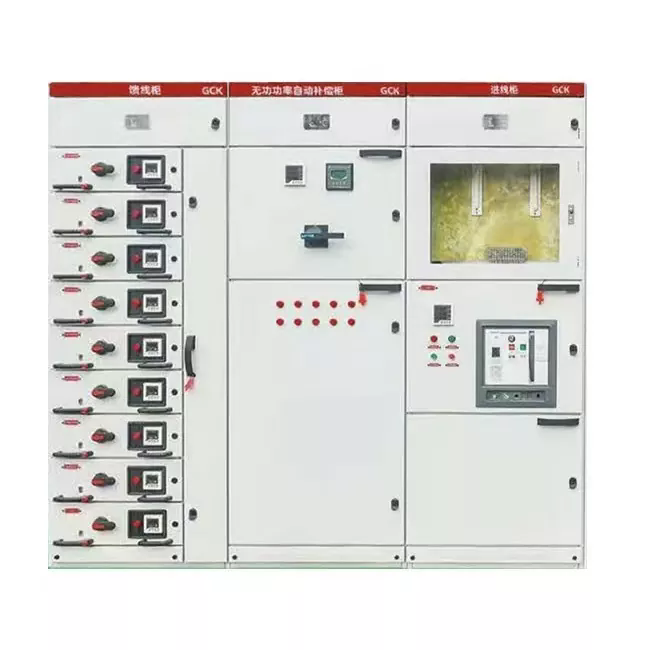
A Low-Voltage Distribution Box is an enclosed electrical device that houses protective devices such as circuit breakers, fuses, and busbars. It is responsible for controlling and distributing electrical energy in systems operating typically below 1000V AC.

It acts as a central hub where electricity is divided into multiple outgoing circuits, ensuring each connected load receives stable and regulated power.


Key Components

  • Main Circuit Breaker: Controls total incoming power supply.
  • Branch Circuit Breakers: Protect individual outgoing circuits.
  • Busbars: Conduct and distribute electrical current efficiently.
  • Neutral and Ground Bars: Ensure system safety and grounding.
  • Enclosure: Protective housing that shields internal components from dust, moisture, and accidental contact.

How It Works

The working principle of a Low-Voltage Distribution Box is straightforward yet highly effective. Electricity enters through the main breaker, flows into busbars, and is then distributed to multiple branch circuits.

Each circuit is protected by its own breaker, ensuring that faults in one line do not affect the entire system. This selective isolation improves safety and reduces downtime.


Applications

  • Residential apartment buildings
  • Commercial complexes and shopping centers
  • Industrial manufacturing facilities
  • Data centers and IT infrastructure
  • Public infrastructure such as hospitals and schools

How to Choose the Right Model

Selecting the right Low-Voltage Distribution Box depends on several technical and environmental factors. Below is a simplified guide:

Factor Description
Load Capacity Ensure the box supports total electrical demand with margin.
Installation Environment Indoor or outdoor usage affects enclosure type.
Protection Level IP rating for dust and water resistance.
Material Quality Durable materials like stainless steel improve lifespan.
Compliance Standards Must meet international electrical safety regulations.

Common Issues and Troubleshooting

  • Overheating: Caused by overloaded circuits or poor ventilation.
  • Frequent Tripping: Indicates short circuits or faulty appliances.
  • Loose Connections: Leads to voltage drops and inefficiency.
  • Corrosion: Environmental exposure may damage internal parts.

Maintenance Guidelines

Regular maintenance ensures long-term reliability and safety. Recommended practices include:

  • Periodic inspection of wiring and terminals
  • Cleaning internal components to prevent dust accumulation
  • Tightening loose connections
  • Testing circuit breakers for proper operation
Safety Considerations

Safety is a primary concern when dealing with electrical distribution systems. A properly designed Low-Voltage Distribution Box reduces risks such as electric shock, fire hazards, and equipment failure.

Always ensure installation and maintenance are performed by qualified professionals following industry safety standards.


Why It Matters

The importance of a Low-Voltage Distribution Box lies in its ability to ensure stable and safe electricity distribution. Without it, modern electrical systems would face frequent overloads, inefficiencies, and safety risks.

It is a foundational component that supports nearly every electrical infrastructure in today’s built environment.


Junray Electrical Solutions

Junray Electrical specializes in advanced electrical distribution systems designed for safety, durability, and performance. Their Low-Voltage Distribution Box solutions are engineered to meet modern industrial and commercial demands, ensuring reliable power management across diverse applications.

With a focus on precision engineering and quality control, Junray Electrical provides products that help businesses maintain stable and efficient electrical infrastructure.


FAQ

Q1: What is the lifespan of a Low-Voltage Distribution Box?
Typically, it can last 15–25 years depending on usage and maintenance.

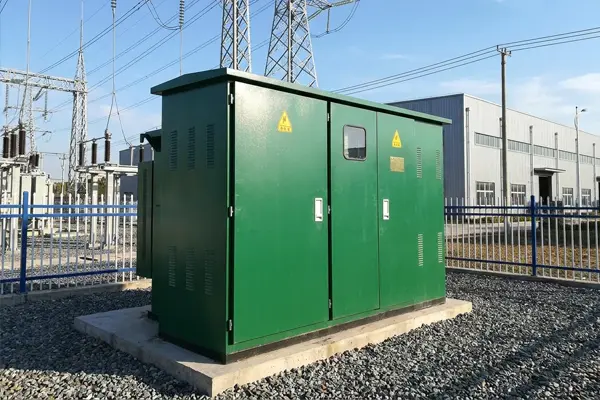
Q2: Can it be used outdoors?
Yes, if it has an appropriate IP-rated weatherproof enclosure.

Q3: How often should it be inspected?
At least once every 6–12 months for commercial and industrial setups.

Q4: What causes frequent breaker trips?
Overload, short circuits, or faulty wiring are common causes.


Contact Information

For high-quality Low-Voltage Distribution Box solutions and professional support, reach out to Junray Electrical.

If you are looking for reliable electrical distribution systems tailored to your project needs, do not hesitate to contact us today and get expert assistance for your next installation.

Related News
Leave me a message
X
We use cookies to offer you a better browsing experience, analyze site traffic and personalize content. By using this site, you agree to our use of cookies. Privacy Policy
Reject Accept