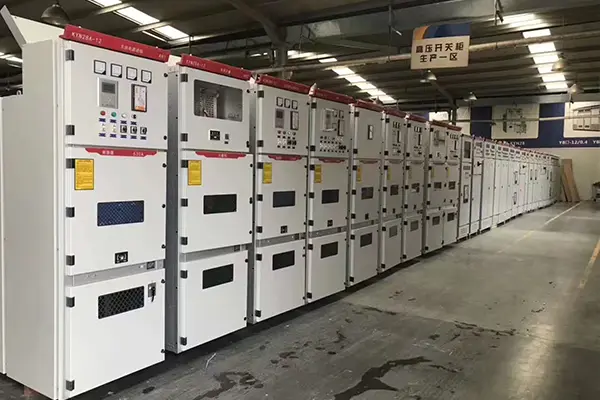

Article Summary: A JXF Control Box is a practical solution for low-voltage power distribution and electrical control in industrial, commercial, and building applications. Junray develops this wall-mounted control enclosure with a durable cold-rolled steel structure, an electrostatic spray finish, flexible installation options, and space for essential electrical components. Understanding its design, applications, technical specifications, and selection criteria helps electrical contractors, equipment manufacturers, and procurement professionals choose a suitable control box for reliable system operation and efficient project execution.
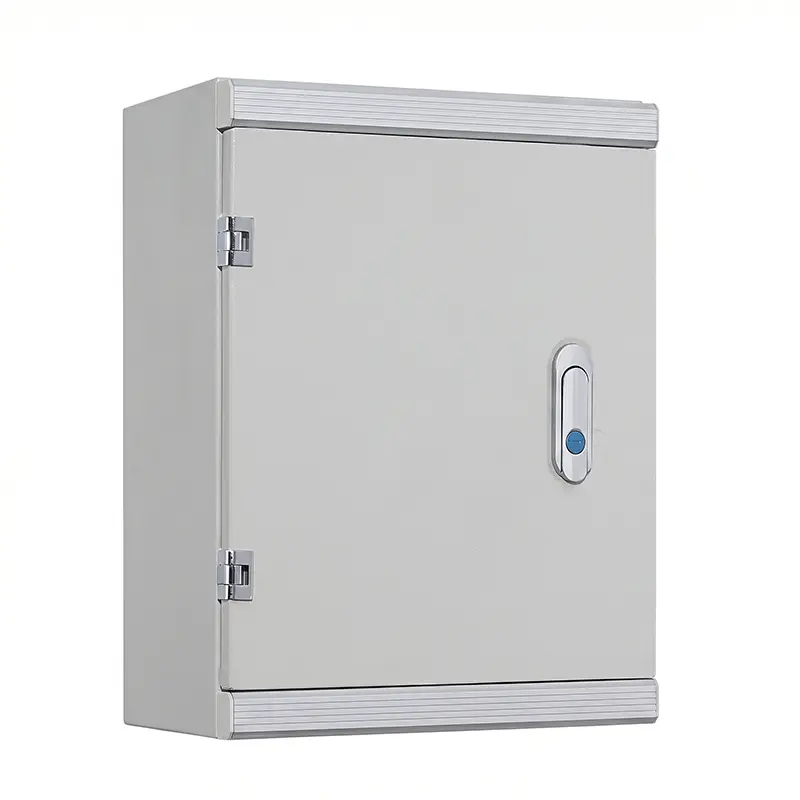
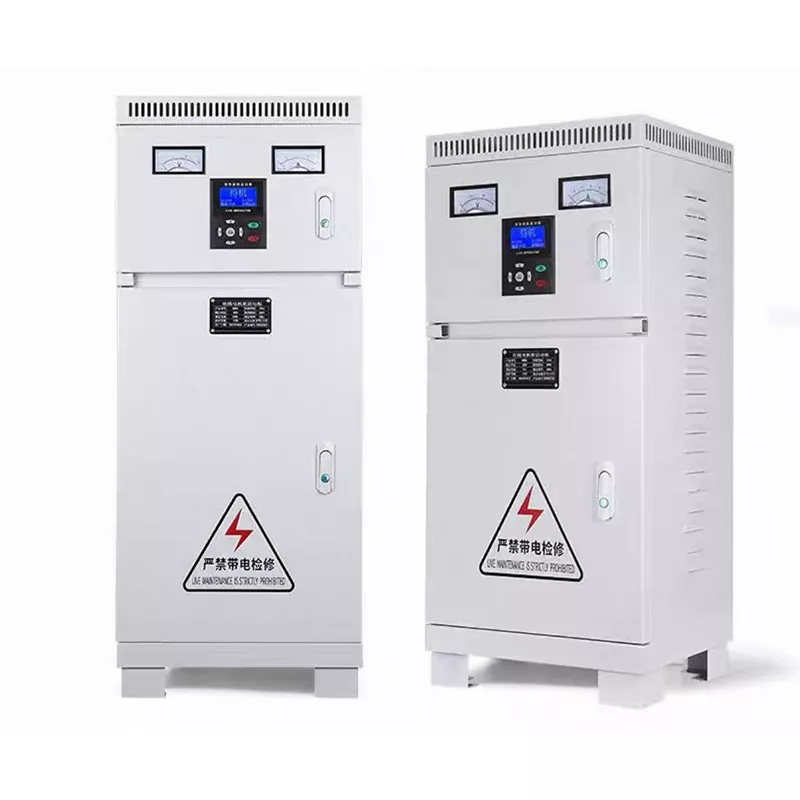
A JXF Control Box is a low-voltage electrical enclosure designed to accommodate control and distribution components in a compact, organized structure. It provides a dedicated space for devices such as circuit breakers, contactors, relays, and other compatible electrical accessories, helping protect components and simplify wiring arrangements.
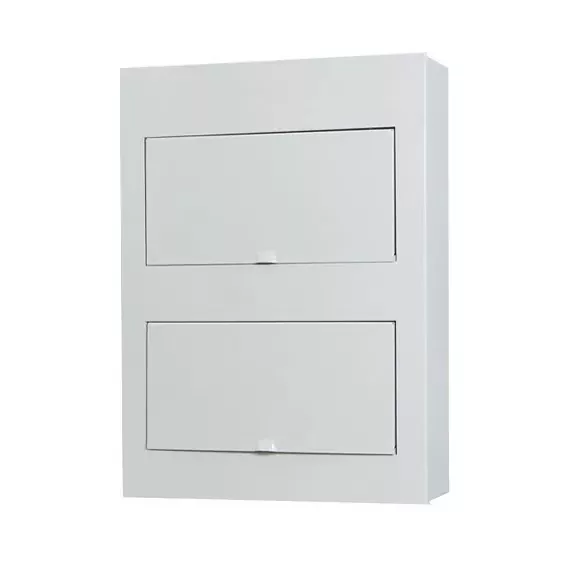
Junray's JXF Control Box is designed primarily for indoor wall-mounted applications. Its construction combines thickened cold-rolled steel plates with an integrated bending process and an electrostatically sprayed surface finish. These features support structural stability, everyday durability, and resistance to surface corrosion under appropriate indoor operating conditions.
Unlike a large, floor-standing control cabinet designed for more extensive electrical systems, a JXF enclosure is suitable for smaller control requirements where compact dimensions and straightforward installation are important. Its final functionality depends on the electrical components installed inside and the requirements of the application.
For electrical contractors, panel builders, and industrial equipment manufacturers, choosing the appropriate enclosure is an important step toward achieving organized wiring, convenient maintenance, and dependable equipment operation.
The performance of an electrical control enclosure depends on its material, construction, internal layout, protection characteristics, and installation method. The following features make the JXF Control Box a practical option for many low-voltage control projects.
The enclosure uses thickened cold-rolled steel plate to provide a stable housing for electrical components. Its integrated bending construction helps maintain structural integrity and supports routine installation and maintenance activities. The electrostatic spray coating provides a finished surface with protection against corrosion and wear under suitable conditions.
For projects involving high humidity, aggressive chemicals, outdoor exposure, or frequent washdown, buyers should assess the operating environment carefully. A standard indoor enclosure should not automatically be treated as suitable for these conditions.
The internal layout can accommodate compatible components such as:
The number and type of components depend on the available mounting space, thermal requirements, wiring clearances, and the intended control scheme.
The JXF Control Box supports surface-mounted and recessed installation configurations. Surface mounting is useful when accessibility and straightforward installation are priorities, while recessed mounting can create a more integrated appearance where the building structure and enclosure design permit it.
Before ordering, confirm the mounting configuration, enclosure dimensions, cable entry positions, door clearance, and maintenance access requirements.
For small-scale control applications, selecting a compact enclosure instead of an unnecessarily large cabinet can help reduce material, installation, and space-related costs. A properly configured JXF Control Box can provide the necessary enclosure space without introducing the complexity of a larger control assembly.
However, cost comparisons should account for the complete system, including protective devices, wiring, installation labor, commissioning, and future maintenance.
Technical specifications help buyers determine whether an enclosure is suitable for a particular electrical installation. The following table summarizes the published specifications of Junray's JXF Control Box. Confirm the selected model and configuration with the manufacturer before procurement.
| Parameter | Published Specification | Selection Consideration |
|---|---|---|
| Product Type | JXF Control Box | Low-voltage power distribution and control enclosure |
| Rated Voltage | AC 380V / 220V | Verify compatibility with the supply system and installed components |
| Rated Frequency | 50Hz | Confirm the frequency requirements of the application |
| Protection Degree | IP40 | Assess the required protection against solid objects, dust, and water |
| Enclosure Material | Cold-rolled steel plate with plastic spraying | Evaluate corrosion exposure and mechanical requirements |
| Installation Method | Surface-mounted or recessed-mounted | Match the enclosure to the building and installation layout |
| Internal Components | Configuration-dependent | Confirm breaker, contactor, relay, and accessory requirements |
| Dimensions | Model-dependent | Verify component space, wiring clearance, and installation dimensions |
Important technical note: IP40 generally indicates protection against solid objects of 1 mm and larger, with no specified protection against water ingress. It should not be interpreted as waterproof or suitable for unprotected outdoor installation. Where moisture, dust, or washdown is a concern, specify an enclosure with an appropriate verified protection rating.
Rated voltage alone does not establish the complete electrical capacity of an assembled control box. Buyers should also verify rated current, short-circuit withstand or conditional short-circuit ratings, protective device coordination, temperature rise, and applicable certification requirements for the completed assembly.
A JXF Control Box provides the enclosure and mounting structure for electrical devices that perform power distribution, switching, and control functions. The exact operating sequence depends on the circuit design and the components installed.
A typical control arrangement may work as follows:
For example, a small pump control circuit may use a circuit breaker, contactor, overload protection, and control relay. When the control command is issued, the switching components operate according to the designed logic. The enclosure keeps these devices organized and helps prevent accidental contact with internal components when properly assembled and secured.
The enclosure itself does not automatically provide every protective or automation function. Electrical safety depends on correct component selection, circuit design, assembly quality, grounding, and commissioning.
Because of its compact design and flexible component arrangement, a JXF Control Box can support a range of indoor electrical control applications.
Factories may use compact control enclosures for auxiliary equipment, small motors, pumps, and localized switching circuits. The final configuration should match the motor's starting characteristics, running current, control method, and required protection.
Commercial premises may require localized control for selected electrical equipment, service systems, or small auxiliary circuits. A wall-mounted enclosure can help keep electrical devices organized while allowing technicians to access them for inspection and maintenance.
Small water supply systems and building service installations can use control enclosures to house compatible switching and control components. Where the installation is exposed to condensation, splashing, or outdoor weather, a suitable enclosure rating and environmental design are essential.
Electrical contractors may specify JXF enclosures for terminal control points and smaller equipment integration projects. Standardizing enclosure dimensions and component layouts across a project can simplify installation planning, spare-parts management, and maintenance documentation.
During machinery upgrades, a compact enclosure can provide a dedicated location for additional control devices or replacement components. Before retrofitting, engineers should check available mounting space, existing wiring, fault levels, isolation requirements, and compatibility with the original system.
For larger automation systems requiring programmable logic controllers, extensive instrumentation, variable-frequency drives, or complex interlocking, a purpose-designed low-voltage switchgear solution or a dedicated control cabinet may be more appropriate.
Choosing an enclosure based only on price or external dimensions can lead to installation difficulties and unnecessary redesign. A structured selection process helps procurement teams align the product with actual operating requirements.
Identify the supply voltage, frequency, circuit current, connected load, control logic, and required protective functions. Ensure that the proposed assembly is suitable for the system's electrical characteristics and foreseeable fault conditions.
Prepare a component list before selecting the enclosure size. Allow adequate space for wiring ducts, terminal blocks, cable bending, heat dissipation, and maintenance access. Do not assume that every component will fit simply because its dimensions are smaller than the enclosure's external dimensions.
Consider temperature, humidity, dust, vibration, corrosion, and potential water exposure. For harsh environments, discuss alternative materials, surface treatments, sealing arrangements, or higher-rated enclosures with the manufacturer.
Determine whether surface mounting or recessed mounting is more suitable. Check wall strength, access requirements, cable routing, door opening space, and the impact of installation on the building structure.
Ask for the applicable product drawings, wiring information, material details, test documentation, and relevant conformity documents. Requirements vary by destination market and by whether the enclosure is supplied empty or as a complete electrical assembly.
A capable supplier should help clarify dimensions, configuration, component compatibility, delivery expectations, and documentation needs before production. Clear technical communication reduces the likelihood of ordering errors and delays during installation.
For additional product options, review Junray's low-voltage distribution box range and compare the available enclosure and distribution solutions against your project requirements.
A JXF Control Box and a large control cabinet serve related but different purposes. The most appropriate choice depends on the number of components, electrical capacity, automation complexity, and available installation space.
| Comparison Factor | JXF Control Box | Large Control Cabinet |
|---|---|---|
| Typical Application | Small-scale control and localized distribution | More extensive power distribution or control systems |
| Installation | Wall-mounted, surface or recessed configuration | Often floor-standing or installed within a dedicated electrical area |
| Internal Capacity | Suitable for a more compact component arrangement | Can accommodate larger or more complex assemblies |
| Space Requirement | Generally compact | Typically requires more installation space |
| Project Cost | Can be economical for simpler applications | May be justified for complex systems and expanded functionality |
| Customization Needs | Focused on enclosure dimensions and essential control components | May involve more extensive engineering, wiring, and system integration |
This comparison is intended as a general selection guide, not a universal performance ranking. A compact enclosure is not automatically the lowest-cost option if the application requires extensive wiring, thermal management, or additional protective equipment.
Correct installation is essential for the safe and dependable operation of any electrical enclosure. Work should be performed by qualified electrical personnel in accordance with applicable regulations and approved procedures.
Never exceed the enclosure's verified protection limits or install additional components without checking available space, thermal performance, and electrical compatibility. Following these practices helps support long-term reliability and simplifies troubleshooting.
A JXF Control Box is used to house electrical components for low-voltage power distribution, switching, and localized control. Typical applications include small industrial equipment, pump control, commercial buildings, and equipment integration projects.
The published product description identifies thickened cold-rolled steel plate with an electrostatically sprayed surface finish. This construction provides a stable enclosure and surface protection under appropriate operating conditions.
Junray lists AC 380V/220V and a rated frequency of 50Hz for the product. Buyers should confirm the precise model, supply arrangement, and compatibility with the intended electrical components before ordering.
The published protection degree is IP40. This rating does not provide specified protection against water ingress, so the standard configuration should not be treated as waterproof. Applications involving rain, splashing, or washdown may require a different enclosure with a verified suitable rating.
Yes. The published product information lists both surface-mounted and recessed-mounted options. Confirm the required enclosure model, dimensions, mounting depth, and cable entry arrangements before installation.
Depending on the enclosure dimensions and electrical design, compatible components may include circuit breakers, contactors, relays, control buttons, and mounting accessories. The final arrangement must provide sufficient wiring space, electrical clearances, and thermal capacity.
Start with the complete component list, wiring layout, cable entry positions, installation method, and maintenance clearance requirements. Request dimensional drawings from the supplier and verify the usable internal space before confirming the order.
Junray Electrical provides product customization and project-oriented support across its electrical equipment range. Buyers should submit the required dimensions, application details, component configuration, quantity, destination market, and documentation requirements to confirm the available options and commercial terms.
A well-selected JXF Control Box provides a compact and organized enclosure for low-voltage electrical control applications. Its cold-rolled steel construction, coated surface, flexible mounting options, and capacity for essential control components make it a practical choice for suitable indoor industrial, commercial, and building projects. Successful selection still depends on verified electrical ratings, environmental conditions, component compatibility, and applicable safety requirements.
As an electrical equipment manufacturer, Junray supports buyers seeking practical power distribution and control solutions for different project requirements. Whether you are an electrical contractor, system integrator, equipment manufacturer, or distributor, contact us to discuss JXF Control Box dimensions, configuration options, technical documentation, and bulk procurement requirements. Visit the Junray JXF Control Box product page to review the product details and submit your inquiry for a suitable solution.