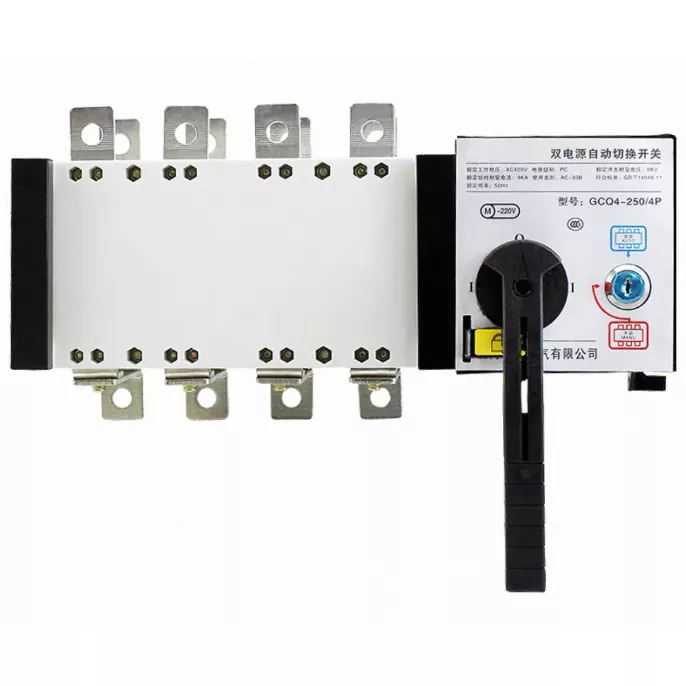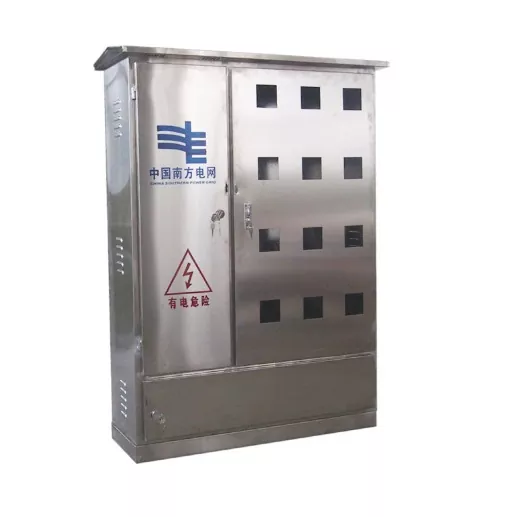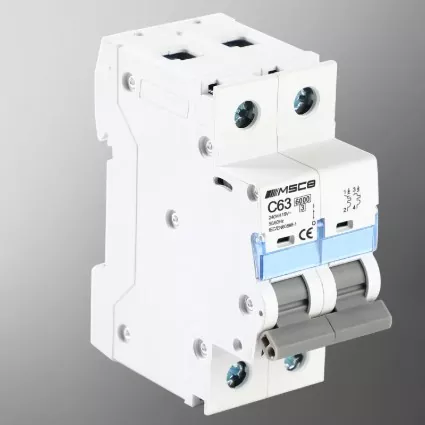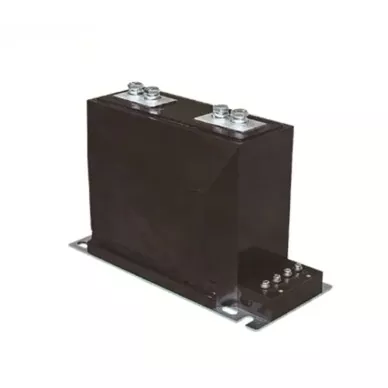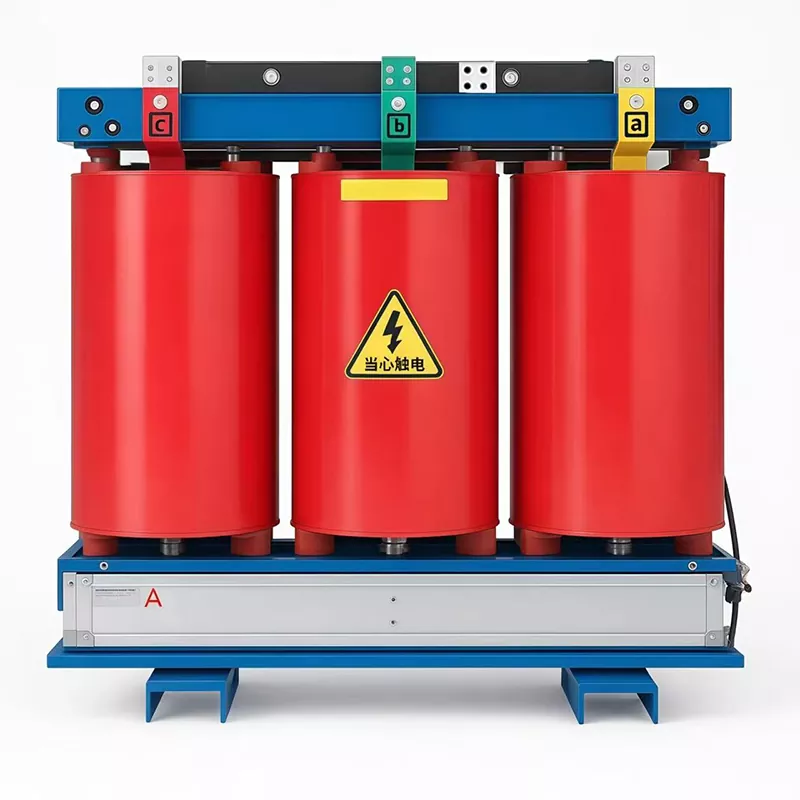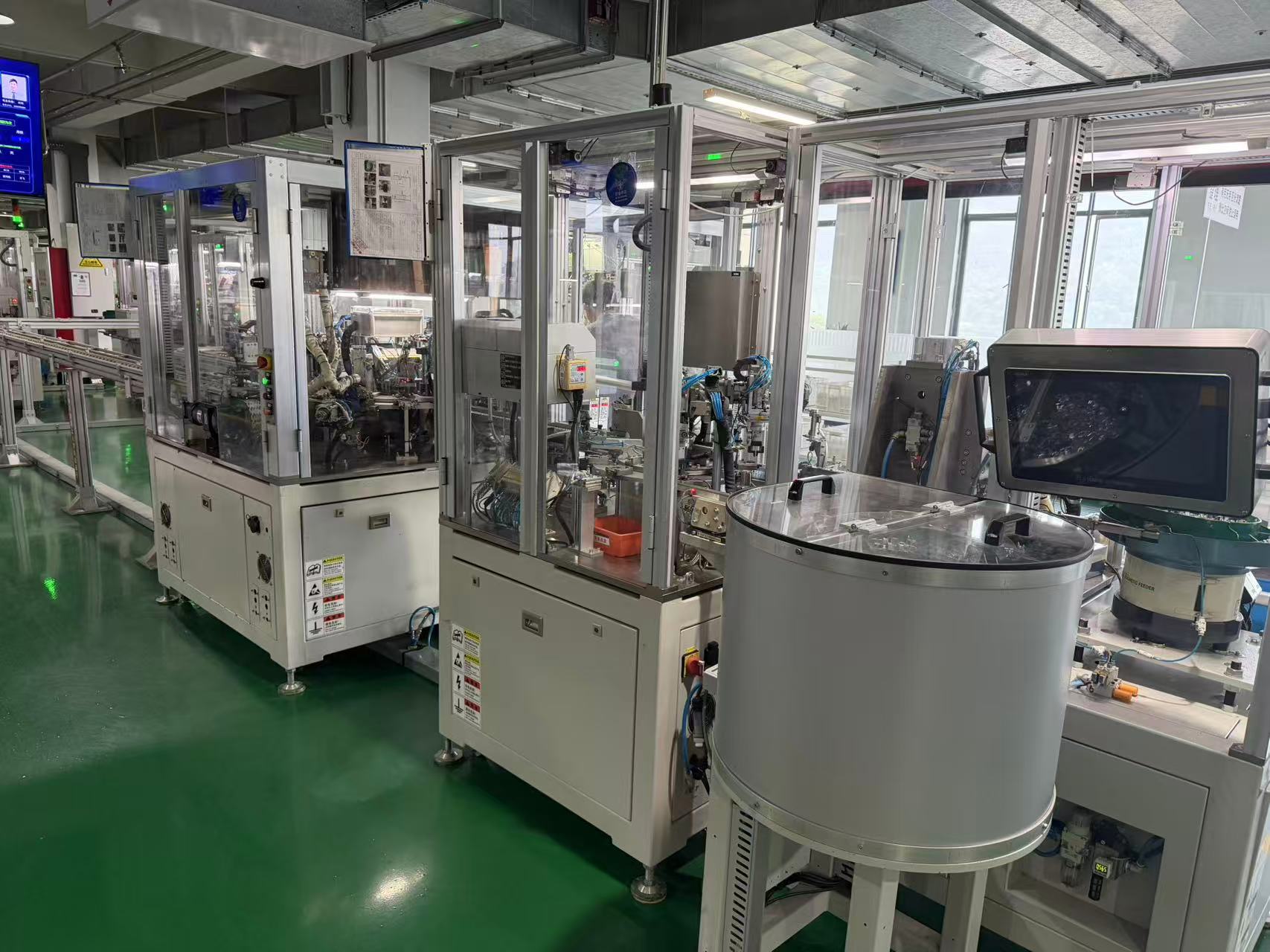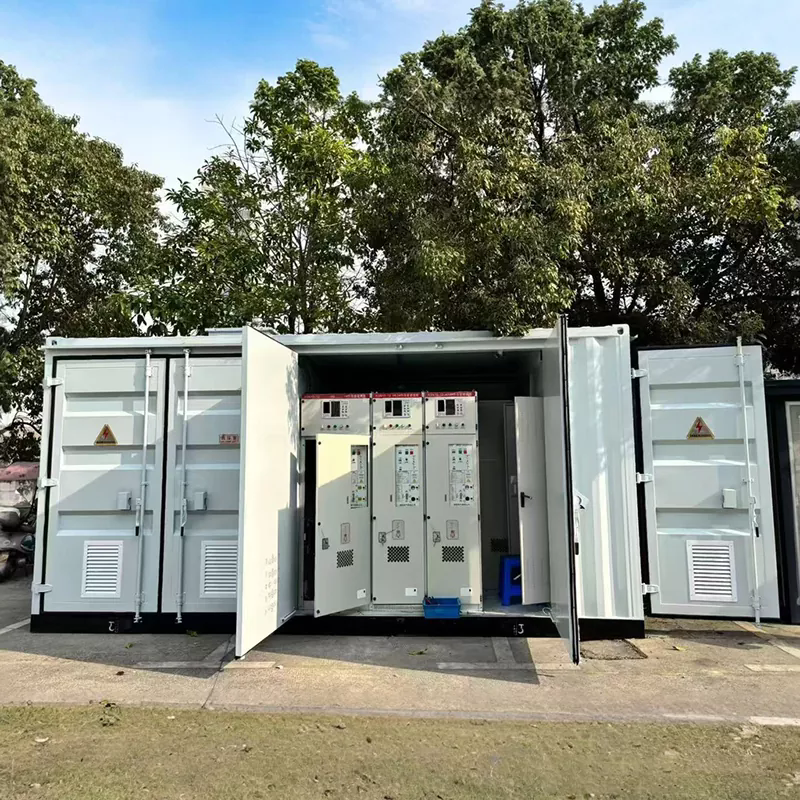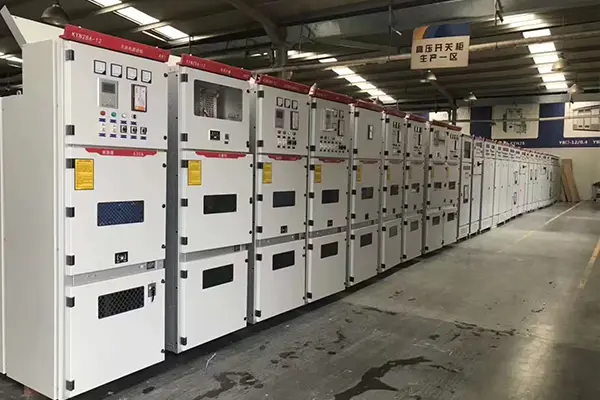



For projects requiring dependable low-voltage terminal distribution, Junray provides the JP Distribution Cabinet as a practical solution for organizing, protecting, and controlling electrical circuits. Designed for applications such as outdoor rural power grids, residential projects, and small-scale engineering systems, this cabinet combines a compact structure with flexible configuration to support stable power distribution.
A well-designed distribution cabinet is more than an enclosure for electrical components. It provides an organized platform for circuit protection, power distribution, metering, and operational control. The JP Distribution Cabinet is positioned within Junray's low-voltage distribution product portfolio and is intended for terminal distribution applications where space efficiency, dependable protection, convenient maintenance, and project adaptability are important. This article explains its role, key characteristics, application scenarios, selection considerations, and the factors buyers should evaluate before sourcing a suitable cabinet.
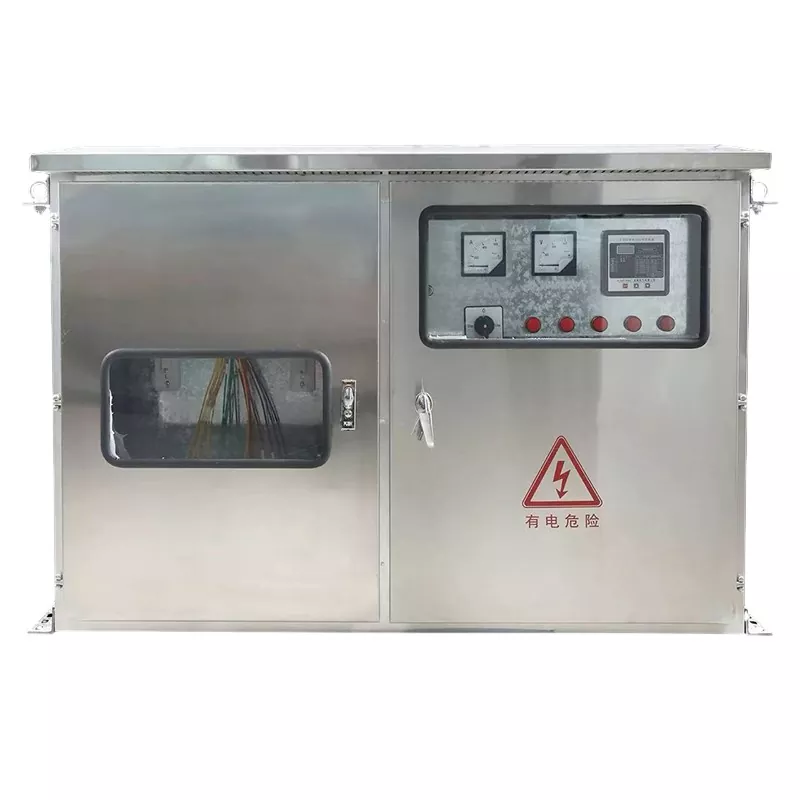
Table of Contents
- What Is a JP Distribution Cabinet?
- Why Is a JP Distribution Cabinet Important?
- What Are the Key Features?
- Where Can It Be Used?
- How Should You Select a JP Distribution Cabinet?
- JP Distribution Cabinet Selection Factors
- Installation and Maintenance Considerations
- Why Consider Junray for Distribution Equipment?
- Frequently Asked Questions
- Conclusion
What Is a JP Distribution Cabinet?
A JP Distribution Cabinet is a low-voltage electrical distribution enclosure designed to organize and distribute electrical power to multiple outgoing circuits. It can integrate electrical components required for distribution, protection, measurement, and control within a centralized cabinet structure.
Unlike a simple junction box, a distribution cabinet can provide a more structured arrangement for circuit breakers, protective devices, meters, busbars, and other electrical components. This helps electrical engineers and installers manage multiple circuits while keeping the internal system organized and accessible.
Within Junray's low-voltage switchgear portfolio, the JP Distribution Cabinet is categorized as a terminal distribution assembly. This makes it particularly relevant to smaller-scale distribution requirements, including residential projects, small engineering installations, and outdoor rural power distribution systems.
For buyers researching low-voltage switchgear, understanding the intended application of each cabinet type is essential. A terminal distribution cabinet should be selected according to the electrical load, number of circuits, environmental conditions, protection requirements, and installation method rather than cabinet appearance alone.
Why Is a JP Distribution Cabinet Important?
Electrical distribution systems need to deliver power while also controlling potential risks such as overload, short circuits, leakage, and abnormal operating conditions. A properly configured distribution cabinet creates a structured interface between the incoming power supply and downstream electrical loads.
The main functions can include:
- Power distribution: Routes incoming electrical power to different outgoing circuits.
- Circuit protection: Provides a suitable location for protective devices such as circuit breakers.
- Electrical organization: Keeps conductors and components arranged in a defined cabinet structure.
- Monitoring: Allows suitable meters and monitoring components to be incorporated when required.
- Maintenance access: Provides an organized environment for inspection and servicing by qualified personnel.
- System integration: Makes it easier to combine distribution and protection components according to project requirements.
These functions are especially important when a project has several loads that need to be independently protected or controlled. Instead of distributing circuits through scattered electrical enclosures, a centralized cabinet can make the overall distribution architecture easier to understand and manage.
What Are the Key Features?
The actual configuration of a JP Distribution Cabinet should be determined by the electrical design and project specifications. However, several characteristics are important when evaluating this type of equipment.
Structured Internal Layout
A well-organized internal arrangement provides space for circuit protection and distribution components while helping installers maintain clear wiring routes. Proper component placement can also simplify inspection and troubleshooting.
Flexible Component Configuration
Different projects require different combinations of protective and control components. A distribution cabinet may therefore be configured according to the required circuits, current ratings, metering functions, and installation environment.
Protection-Oriented Design
Electrical protection is one of the most important considerations in distribution equipment. The cabinet provides an organized platform for integrating appropriate protection devices selected according to the system's electrical characteristics.
Compact Terminal Distribution
Terminal distribution applications often have different space constraints from large dedicated distribution rooms. A suitable cabinet can provide practical circuit management without unnecessarily increasing the size and complexity of the installation.
Project Customization
Junray states that its low-voltage switchgear range supports customization of dimensions, functions, and technical parameters. This capability can be valuable when a project has specific requirements for cabinet dimensions, circuit arrangements, protection levels, or electrical components.
Where Can It Be Used?
The application of a JP Distribution Cabinet depends on its electrical configuration and project requirements. As a terminal distribution solution, it can be considered for several scenarios where low-voltage power needs to be distributed through multiple protected circuits.
1. Rural Power Distribution
Outdoor rural electrical networks can require practical distribution equipment that can organize multiple outgoing circuits. A properly specified cabinet can provide a centralized location for distribution and protection functions.
2. Residential Projects
Residential developments require electrical distribution systems capable of supplying different loads while maintaining appropriate circuit protection. Distribution cabinets can support organized circuit separation and simplify electrical management.
3. Small Engineering Projects
Small commercial, municipal, and engineering projects may not require the large-scale configuration of a dedicated distribution-room switchgear system. A terminal distribution cabinet can provide an appropriately scaled solution when its electrical ratings and environmental protection meet the project specification.
4. Outdoor Electrical Installations
For outdoor applications, buyers should pay particular attention to enclosure protection, corrosion resistance, temperature conditions, moisture exposure, and installation location. These factors should be evaluated before final equipment selection.
How Should You Select a JP Distribution Cabinet?
Choosing electrical distribution equipment based only on cabinet dimensions or purchase price can create problems during installation and operation. Procurement teams should first establish the technical requirements of the electrical system.
- Define the operating voltage. Confirm the rated voltage required by the distribution system and ensure all components are compatible.
- Calculate the expected load. Determine the normal operating current and consider future load expansion where appropriate.
- Determine the number of outgoing circuits. The cabinet should provide enough capacity for current requirements and planned additions.
- Select suitable protection devices. Circuit breakers and other protective components should match the electrical design and coordination requirements.
- Evaluate the installation environment. Outdoor installations may require higher enclosure protection and stronger corrosion resistance than indoor applications.
- Check cabinet dimensions. Confirm that the cabinet can accommodate the selected components while maintaining practical wiring and maintenance space.
- Consider customization. For non-standard projects, communicate circuit arrangements, component requirements, dimensions, and environmental conditions to the manufacturer before production.
JP Distribution Cabinet Selection Factors
The following table provides a practical checklist for buyers evaluating a JP Distribution Cabinet for a project.
| Selection Factor | What to Check | Why It Matters |
|---|---|---|
| Rated Voltage | System voltage and component compatibility | Ensures the cabinet matches the electrical distribution system |
| Rated Current | Expected load and circuit current | Helps prevent unsuitable equipment selection |
| Outgoing Circuits | Number and type of downstream circuits | Determines internal arrangement and expansion capacity |
| Protection | Breakers, leakage protection, surge protection, and related devices | Supports electrical safety and system protection |
| Enclosure Protection | Moisture, dust, rain, and environmental exposure | Important for outdoor and demanding installations |
| Material & Finish | Cabinet material, coating, and corrosion resistance | Influences mechanical durability and service life |
| Dimensions | Installation space and internal component clearance | Improves installation practicality and maintenance access |
| Customization | Dimensions, circuit configuration, components, and functions | Helps adapt standard equipment to project-specific needs |
This checklist can also be used when preparing an RFQ. Providing the manufacturer with accurate electrical and environmental information at the quotation stage can reduce specification changes later in the procurement process.
Installation and Maintenance Considerations
Even a well-designed distribution cabinet requires correct installation and regular inspection. Electrical installation should always be completed by appropriately qualified professionals in accordance with applicable electrical codes, project drawings, and manufacturer instructions.
Installation
- Verify the cabinet model and electrical ratings before installation.
- Confirm that the mounting location provides adequate space for operation and maintenance.
- Check incoming and outgoing cable specifications before termination.
- Ensure protective devices are correctly selected and coordinated with the system.
- Verify grounding and bonding arrangements according to the applicable electrical standard.
- Inspect terminals and connections before energizing the system.
Maintenance
Maintenance requirements depend on the application and operating environment. Routine inspection can include checking cable connections, protective devices, enclosure condition, signs of overheating, moisture ingress, corrosion, and abnormal electrical behavior.
For outdoor equipment, environmental exposure should receive particular attention. Dust, moisture, salt, temperature changes, and corrosive atmospheres can affect electrical equipment over time. Preventive inspection helps identify potential problems before they become operational failures.
Why Consider Junray for Distribution Equipment?
Wenzhou Junray Electrical Co., Ltd. was founded in 2013 and focuses on high-voltage and low-voltage power distribution equipment. Its product portfolio includes terminal distribution assemblies, low-voltage switchgear, control cabinets, medium-voltage equipment, instrument transformers, and other electrical products.
According to the manufacturer's published information, Junray operates a manufacturing facility with approximately 50 skilled employees and maintains production and testing capabilities for its electrical equipment. The company also states that its products are manufactured in accordance with relevant GB and IEC standards and undergo inspection before shipment.
For project-based procurement, customization can be an important consideration. Junray states that it supports OEM/ODM and customized solutions covering dimensions, functions, protection requirements, and technical parameters. This can help engineering contractors, distributors, and project buyers adapt distribution equipment to specific application requirements.
Junray also provides technical support covering solution design, installation guidance, and after-sales assistance. Buyers should nevertheless confirm the exact product configuration, applicable standards, testing scope, delivery schedule, and documentation requirements with the manufacturer before placing an order.
Frequently Asked Questions
What is the main purpose of a JP Distribution Cabinet?
A JP Distribution Cabinet is primarily used for low-voltage terminal power distribution. It provides an organized enclosure for distributing electrical power to multiple circuits and can accommodate suitable protection, measurement, and control components according to project requirements.
Where is a JP Distribution Cabinet commonly used?
Typical applications include residential projects, small-scale engineering installations, and outdoor rural power distribution. The final application should be determined according to the cabinet's electrical ratings, enclosure protection, configuration, and applicable standards.
Can a JP Distribution Cabinet be customized?
Customization may be available depending on the manufacturer and project requirements. Junray states that its low-voltage switchgear products can be customized in dimensions, functions, and technical parameters. Buyers should provide detailed electrical requirements when requesting a quotation.
What information should I provide when requesting a quotation?
Useful information includes rated voltage, rated current, number of outgoing circuits, required protection devices, installation environment, enclosure protection requirements, cabinet dimensions, incoming and outgoing cable requirements, applicable standards, and any metering or monitoring functions.
Does the cabinet require regular maintenance?
Yes. Electrical distribution equipment should be inspected periodically according to its application and the manufacturer's maintenance recommendations. Inspection can include terminals, wiring, protective devices, enclosure condition, grounding, signs of overheating, corrosion, and moisture ingress.
Conclusion
A JP Distribution Cabinet can provide a structured and adaptable solution for low-voltage terminal power distribution when its electrical ratings, protective functions, enclosure characteristics, and configuration are correctly matched to the application. For residential, rural, outdoor, and small engineering projects, careful specification can improve installation practicality and long-term system management. If you are sourcing a JP Distribution Cabinet for an upcoming project, contact us to discuss your voltage, current, circuit, enclosure, customization, and application requirements with Junray's electrical equipment team and request a project-specific solution.