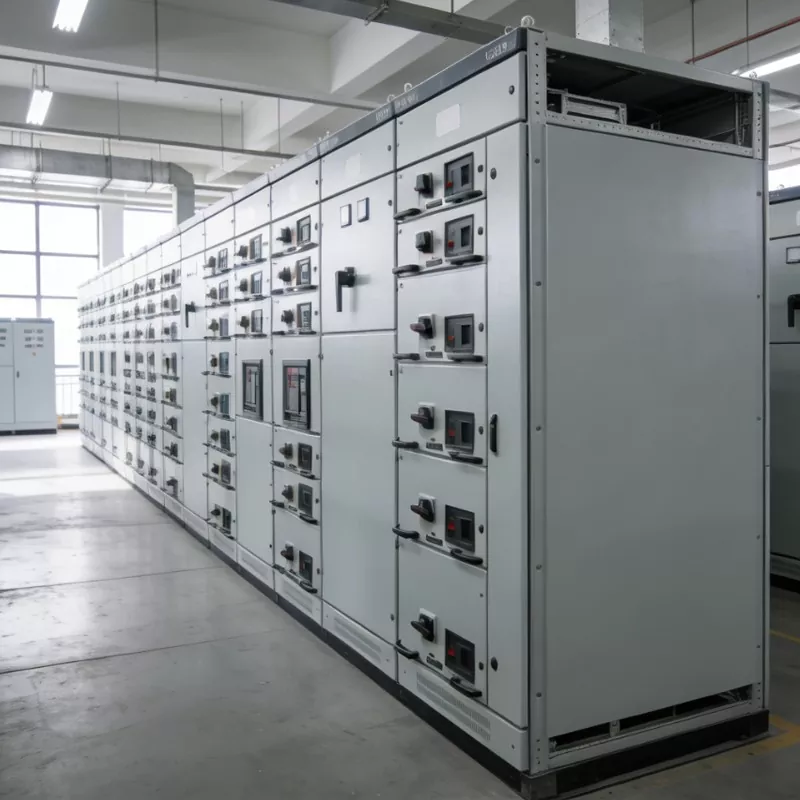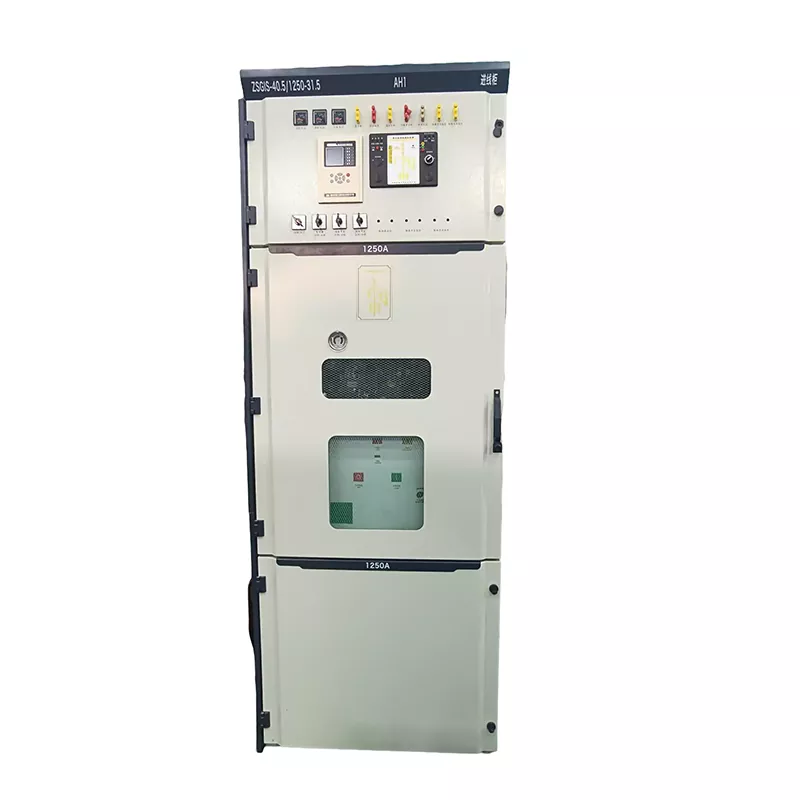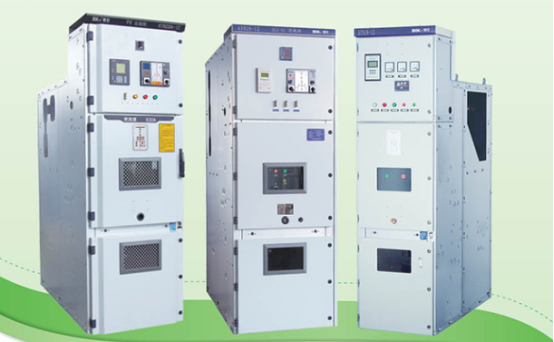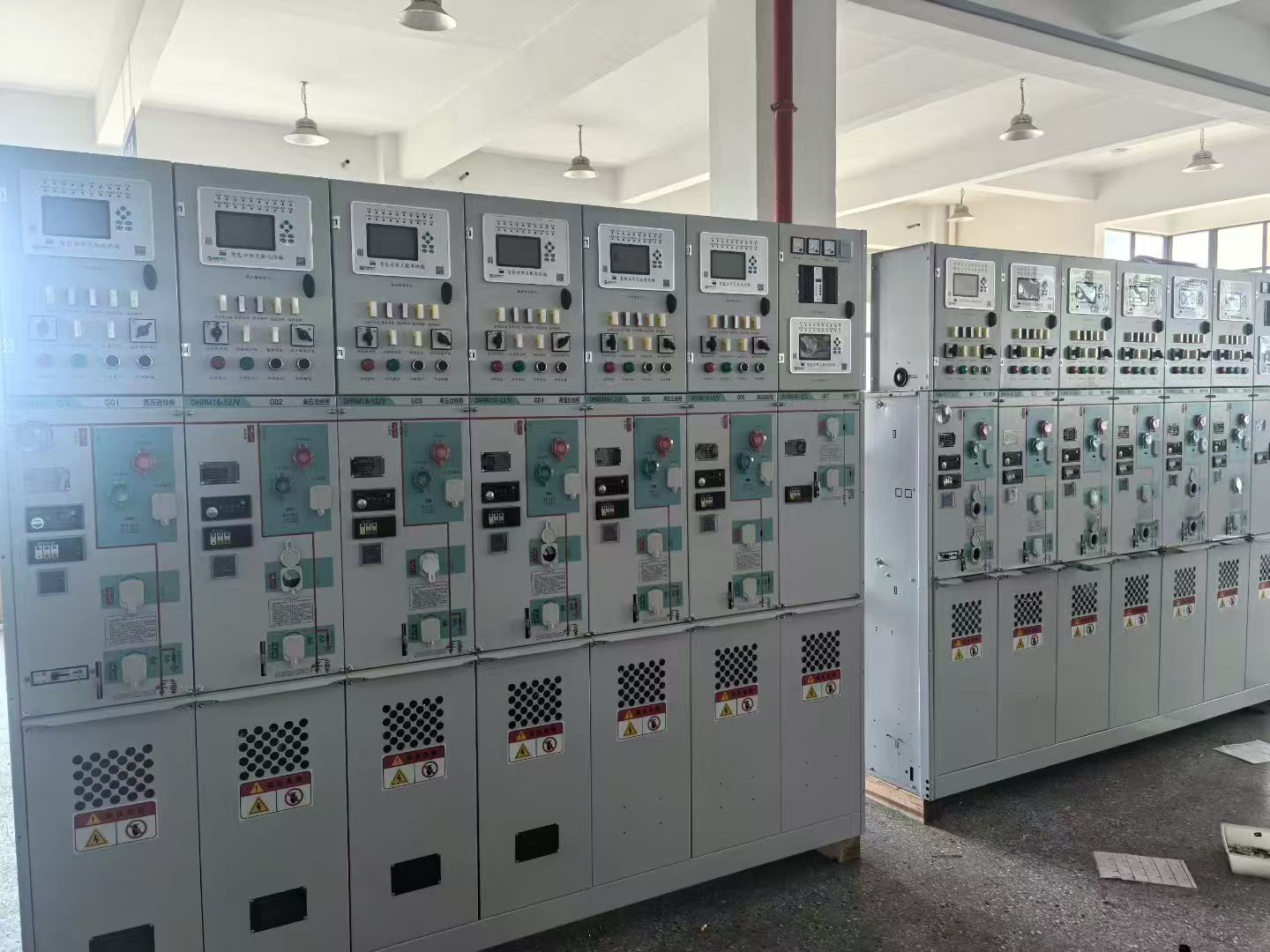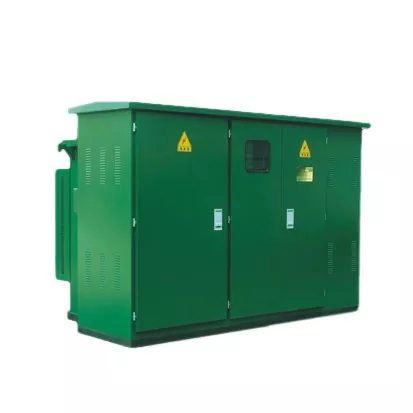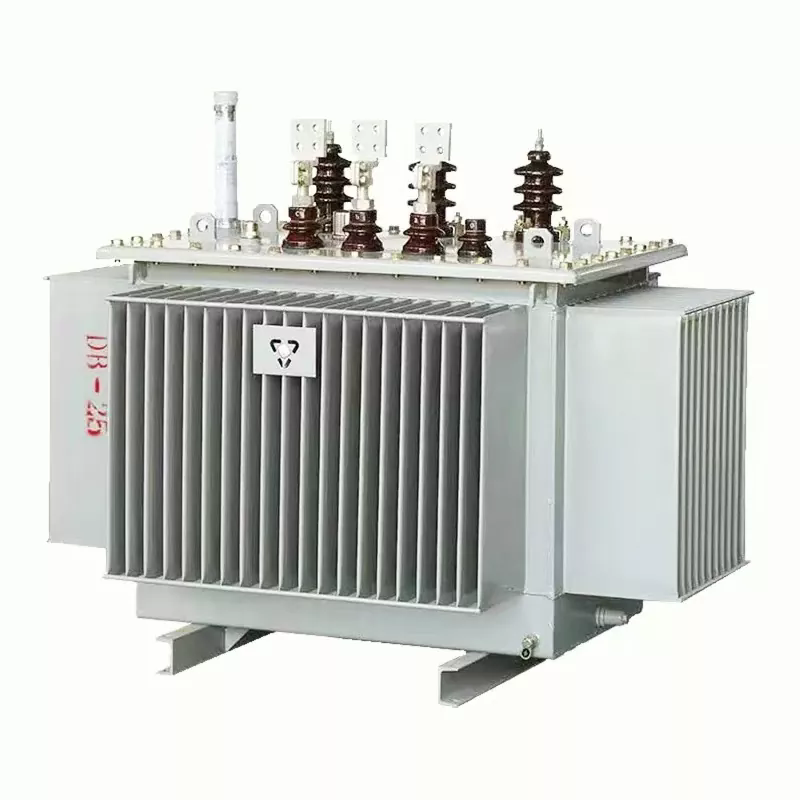

10kV centrally-mounted withdrawable switchgear, represented by the KYN28A-12, has become the mainstream choice in power distribution systems. This article analyzes the technical logic and engineering value of centrally-mounted switchgear from three dimensions: structural design, safety interlocking, and key selection points.
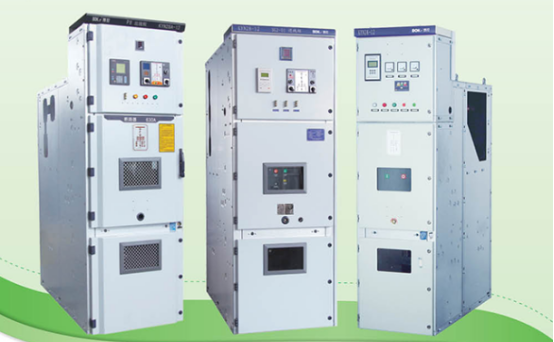
The fundamental difference between centrally-mounted switchgear and traditional fixed equipment lies in its metal armor, centrally mounted trolley, and four-compartment independent structural design. Taking the KYN28A-12 as an example, the cabinet is strictly divided into four independent compartments by metal partitions:
Equipped with a vacuum circuit breaker trolley (common models such as VS1 and VD4), which can switch between working, test, and withdrawn positions. The core value of the handcart-style design lies in its ability to allow the entire circuit breaker cart to be moved out when a circuit requires maintenance, without affecting the normal operation of other cabinets and significantly reducing power outage time. The interior is equipped with a comprehensive mechanical interlocking system, ensuring operational safety from a physical perspective.
The main busbar uses T2 copper busbars, supported by insulators, and features an independent, enclosed design. The isolation of the busbar compartment is crucial—in the event of a fault on the busbar side, the metal partitions effectively prevent the spread of electric arcs and high-temperature gases to other compartments, avoiding phase-to-phase short circuits and fault expansion. The high conductivity of the T2 copper busbars also ensures temperature rise control under high current conditions.
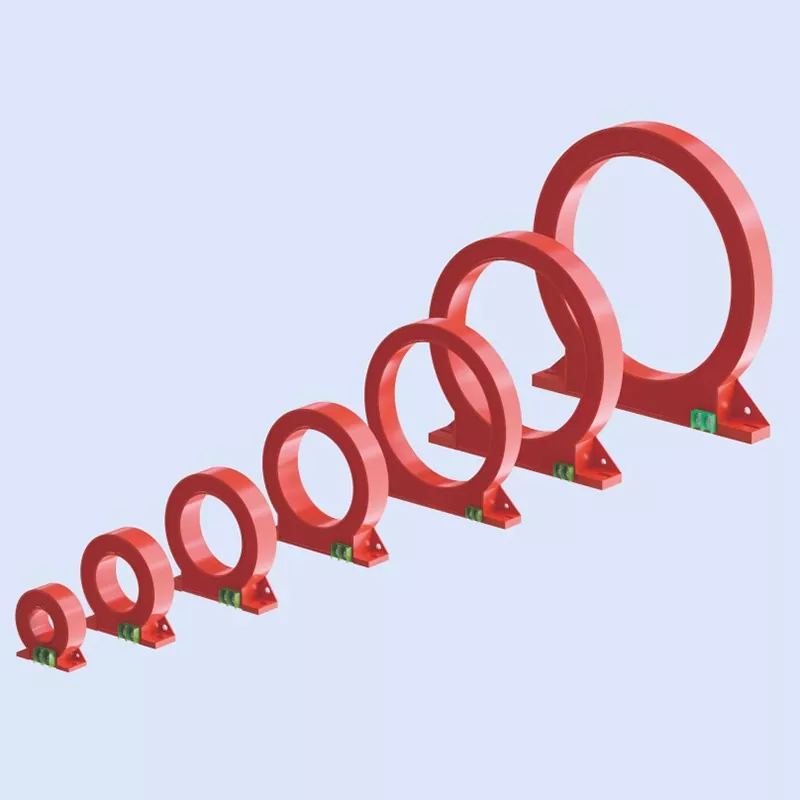
Used for installing current transformers, zero-sequence transformers, grounding switches, cable terminals, surge arresters, and other components. The cable compartment offers ample space, facilitating construction wiring and subsequent maintenance and adjustments. This design is particularly practical for industrial users and photovoltaic power plants that require frequent changes to outgoing circuits.
This room houses secondary components such as microprocessor-based protection devices, instruments, operating switches, and terminal blocks. The instrument room is completely physically isolated from the medium-voltage primary area, fundamentally eliminating the risk of electric shock to maintenance personnel working on the secondary side. This is one of the key design features that makes the medium-voltage switchgear safer than traditional fixed equipment.
The essence of the four independent compartments is fault isolation—a fault in any compartment will not affect other compartments, thus minimizing the impact of the fault. For scenarios with high continuous production requirements, such as chemical, metallurgical, and data center industries, this characteristic directly relates to production safety and economic efficiency.
Misoperation of high-voltage switchgear can lead to equipment damage, personal injury, and even large-scale power outages. Therefore, "five-prevention interlocking" is a mandatory safety requirement explicitly stipulated in GB/T 3906 and DL/T 404 standards. The so-called "five preventions" specifically include:
1. Prevention of circuit breaker trolley operation under load – When the circuit breaker is in the closed position, the trolley cannot enter or exit to prevent arcing caused by plugging or unplugging under load;
2. Prevention of accidental opening and closing of circuit breakers – Through operation access control and mechanical interlocking, unauthorized personnel are prevented from accidentally operating the circuit breaker;
3. Prevention of closing the grounding switch while energized – The grounding switch cannot be operated when the circuit breaker is not open and the trolley has not been returned to the test position;
4. Prevention of energizing the grounding switch while it is closed – When the grounding switch is in the closed position, the circuit breaker trolley cannot be pushed to the working position to prevent closing the circuit breaker with the grounding wire connected;
5. Prevention of accidental entry into energized compartments – The cabinet door is interlocked with energized parts, and the cabinet door cannot be opened when the equipment is energized.
Centralized switchgear typically uses a scheme with mechanical interlocking as the primary method and electrical interlocking as a secondary method. Mechanical interlocking offers high reliability and is unaffected by power failures, serving as the foundation for the five-proof functions. Electrical interlocking, on the other hand, is used to achieve more complex logic control, such as the linkage between the handcart and the grounding switch, and the interlocking with upper-level protection signals. The combination of both forms a complete safety defense line from the source of operation to the end of execution.
Selecting a medium-voltage switchgear is not simply a matter of piling up parameters, but requires system configuration based on actual operating conditions. The following points deserve special attention:
Vacuum circuit breakers are the core component of medium-voltage switchgear. VS1 and VD4 are currently the two most widely used models. VS1 is the mainstream model in China, offering high cost-effectiveness and ample spare parts; VD4 is a classic ABB model, with superior mechanical life and breaking performance, suitable for applications with frequent operation and high reliability requirements. Selection should be based on a comprehensive assessment of the rated short-circuit breaking current (commonly 25kA, 31.5kA, 40kA) and operating frequency.
The transformation ratio and accuracy class of current transformers and zero-sequence current transformers should be selected reasonably based on the actual operating current and protection requirements. Metering circuits typically require a 0.2S class, while protection circuits can use a 0.5 or 10P class. The configuration of the zero-sequence current transformer depends on whether the system requires a low-current grounding fault location function.
A grounding switch model with appropriate short-circuit making capacity must be configured. For photovoltaic grid-connected circuits where reverse power feeding may occur, the rated short-circuit making current of the grounding switch is particularly critical—it determines whether the grounding switch can safely close without welding in the event of accidental energization.
A microprocessor-based integrated protection device is standard, providing overcurrent, instantaneous trip, zero-sequence, overvoltage, and undervoltage protection functions. For new energy grid-connected scenarios, special functions such as anti-islanding protection and reverse power protection should also be considered. The communication protocol of the protection device should be compatible with the upper-level monitoring system.
Standard medium-voltage switchgear is suitable for general environments with altitudes not exceeding 1000 meters and ambient temperatures ranging from -10℃ to +40℃. For high-altitude areas (e.g., above 3000 meters), humid tropical regions, severely polluted areas, or low-temperature areas, appropriate special configurations, such as high-altitude or humid tropical types, must be selected to ensure the insulation performance and operational stability of the equipment under extreme conditions.
Medium-voltage switchgear offers flexible cabinet configurations and can be freely combined according to the power distribution scheme. Common cabinet types include incoming line cabinets, outgoing line cabinets, PT cabinets, metering cabinets, sectionalizing cabinets, isolation cabinets, tie cabinets, motor cabinets, and station transformer cabinets. A typical 10kV distribution room usually consists of incoming line cabinets, PT cabinets, metering cabinets, several outgoing line cabinets, and tie cabinets, forming a single busbar sectionalizing or single busbar connection scheme.
From an application perspective, medium-voltage switchgear has been widely used in:
Substation 10kV power distribution systems: serving as core nodes for urban power grids and industrial power supply;
Factory workshop power distribution: providing reliable power supply for production lines, air compressors, water pumps, and other loads;
Chemical and pharmaceutical industries: demanding continuous production and extremely sensitive to power supply reliability and security;
Metallurgical enterprises: experiencing high-current and impact loads, requiring high equipment breaking capacity;
Building power distribution: main power distribution rooms in high-rise buildings and commercial complexes;
Medium-voltage motor control and protection: direct or soft-start control of large water pumps, fans, and compressors;
New energy grid connection: 10kV connection switchgear for distributed photovoltaic and energy storage power stations.
Intelligentization, Miniaturization, and Environmental Protection The technological evolution of medium-voltage switchgear has not stopped. The industry is currently developing in three directions:
Intelligentization. The integration of sensors such as online temperature monitoring, partial discharge detection, and circuit breaker mechanical characteristic monitoring is transforming medium-voltage switchgear from "periodic maintenance" to "condition-based maintenance." Miniaturization. By optimizing insulation structure and adopting composite insulation materials, cabinet size is gradually decreasing, which is significant for urban substations and data centers where land resources are scarce.
Environmental friendliness. SF6 gas is widely used in gas-insulated switchgear (GIS) due to its excellent insulation properties, but its global warming potential (GWP) is 23,500 times that of CO2. With increasingly stringent environmental policies, SF6-free environmentally friendly switchgear is becoming a hot research topic in the industry, with air insulation, vacuum insulation, and dry air insulation technologies developing in parallel.
The fundamental reason why medium-voltage switchgear dominates the 10kV power distribution field is the high degree of matching between its structural design and engineering requirements—four independent compartments achieve fault isolation, the handcart-type structure ensures convenient operation and maintenance, and five-proof interlocking strengthens the safety baseline. With the deepening of the construction of new power systems, medium-voltage switchgear will maintain its mainstream position for a considerable period and continue to evolve towards intelligence, miniaturization, and environmental friendliness. For equipment manufacturers, understanding the technical logic of medium-voltage switchgear and grasping industry evolution trends are essential to maintaining a proactive stance in product development and market competition.
Junray Electrical has long focused on the research and development and manufacturing of high and low voltage switchgear. Its KYN28A-12 series of medium-voltage switchgear covers a full range of current ratings from 630A to 4000A and a full breaking capacity from 25kA to 40kA, supporting customized configurations and widely adaptable to various scenarios such as power grids, industry, and new energy.