
Abstract: Power transformers play a critical role in modern electrical systems, ensuring safe and efficient voltage transmission across various applications. This article delves into the key functions, types, maintenance strategies, and common issues associated with power transformers, offering practical solutions to enhance system reliability. Whether you are a facility manager, engineer, or utility professional, this guide addresses core challenges and considerations for optimal transformer performance.
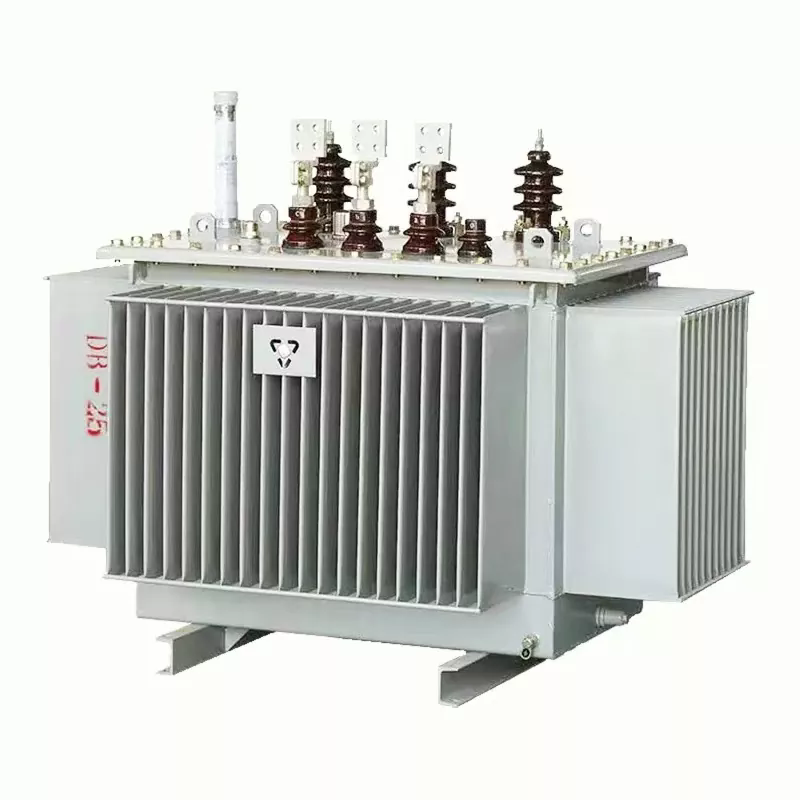
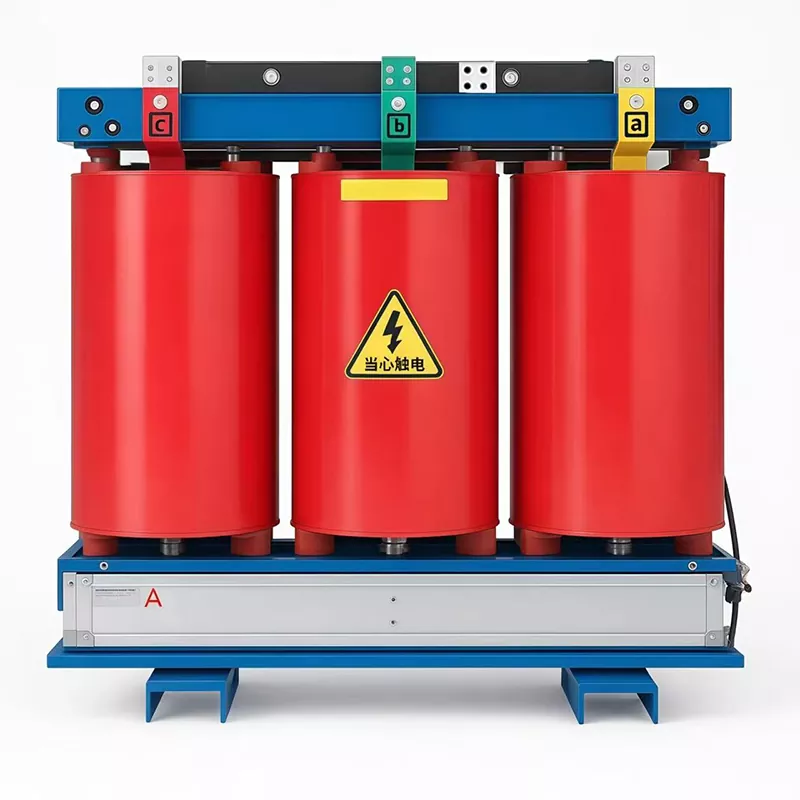
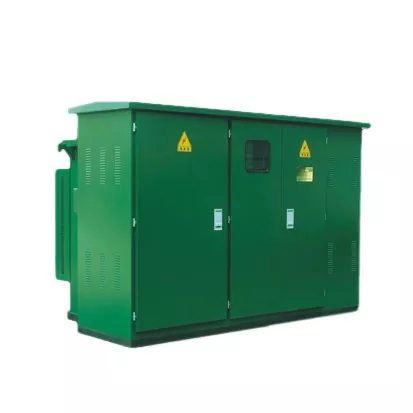
Power transformers are essential electrical devices that transfer energy between circuits while changing voltage levels. They enable the efficient distribution of electricity from power plants to residential, commercial, and industrial facilities. Junray Electrical specializes in delivering high-quality power transformers that meet rigorous performance and safety standards.
Modern electrical grids depend on transformers to maintain stability and prevent energy loss during transmission. Understanding how these devices function is critical for improving efficiency and reducing operational costs.
Power transformers can be categorized based on design, application, and voltage rating. The following table summarizes the main types:
| Type | Primary Application | Voltage Range | Key Features |
|---|---|---|---|
| Step-up Transformer | Power Generation | Low to High | Increases voltage for efficient long-distance transmission |
| Step-down Transformer | Distribution | High to Low | Reduces voltage for safe usage in homes and businesses |
| Autotransformer | Industrial Applications | Medium Voltage | Compact design, cost-effective, suitable for specific voltage adjustments |
| Isolation Transformer | Medical & Sensitive Equipment | Various | Provides electrical isolation to protect devices and personnel |
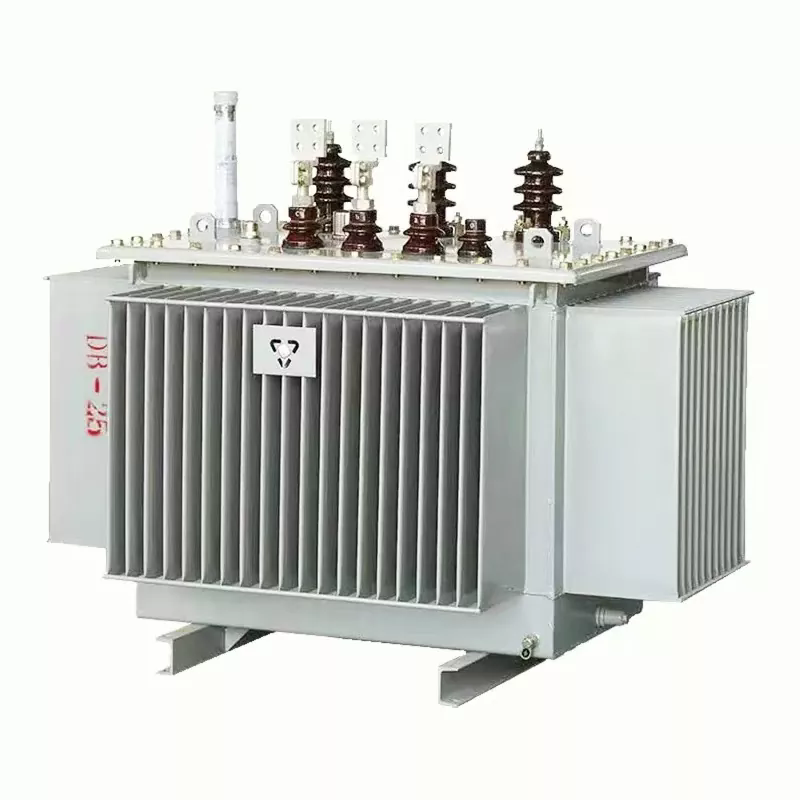
Power transformers operate based on the principle of electromagnetic induction. The primary winding receives alternating current, generating a magnetic field in the core, which induces voltage in the secondary winding. This allows voltage conversion without mechanical movement.
Key components include:
Even high-quality transformers may encounter operational challenges. Identifying and resolving these issues early is vital:
Routine maintenance ensures longevity and performance. Recommended practices include:
Safety is paramount. Always follow lockout/tagout procedures, use protective gear, and maintain clear access around transformers.
Selecting an appropriate transformer depends on several factors:
Junray Electrical provides customized solutions to meet these diverse operational needs. Visit Junray Electrical Power Transformers for detailed specifications and consultation.
Q1: How often should a power transformer be maintained?
A1: Routine inspections are recommended every 6–12 months, depending on load and environmental conditions.
Q2: Can transformers be repaired if damaged?
A2: Minor issues such as insulation faults or oil leaks can be repaired, but severe winding damage may require replacement.
Q3: What is the average lifespan of a power transformer?
A3: With proper maintenance, transformers can operate reliably for 25–40 years.
Q4: How can energy efficiency be maximized?
A4: Selecting high-quality cores, maintaining optimal cooling, and reducing load spikes contribute to efficiency.
Power transformers are indispensable in delivering stable, efficient electricity across industries. Understanding their types, operation, maintenance, and troubleshooting can save significant costs and reduce downtime. Junray Electrical offers reliable power transformers engineered for long-term performance, supporting your operational needs and ensuring energy efficiency.
To explore our range of high-performance transformers and discuss your specific requirements, contact us today through our website or customer service channels.