
News

How Does a Box-type Substation Work?

2026-04-29 0 Leave me a message

Summary: Box-type substations are compact, efficient, and reliable electrical distribution solutions designed for urban and industrial areas. This article explores how these substations operate, their advantages, components, installation considerations, and maintenance tips, providing a comprehensive guide for engineers, planners, and businesses seeking robust power solutions.
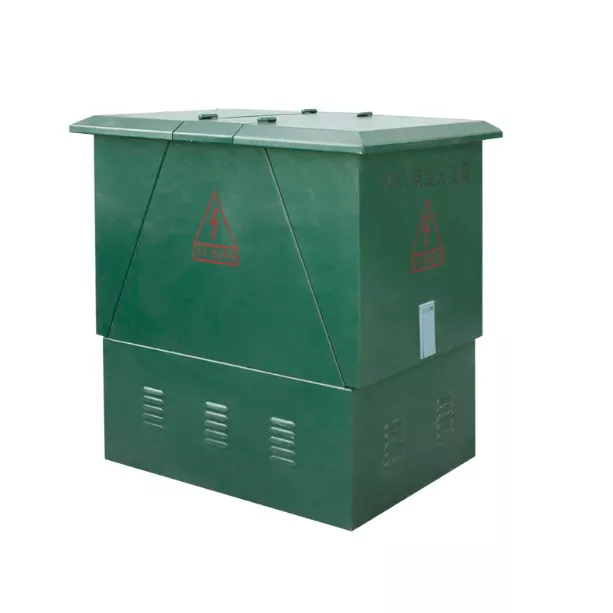
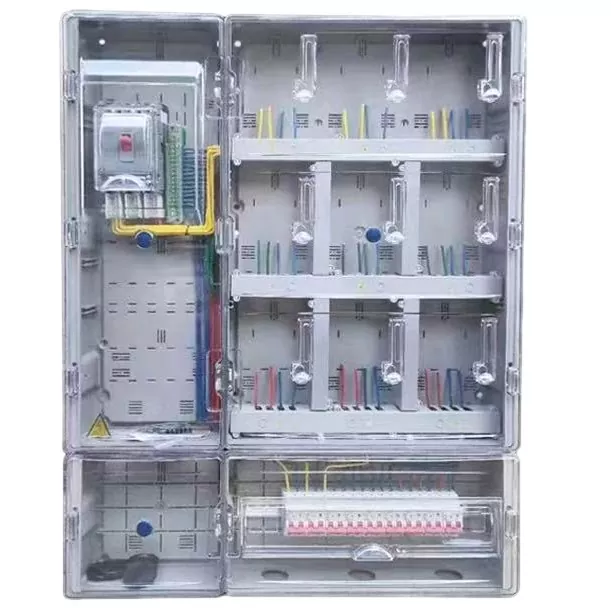
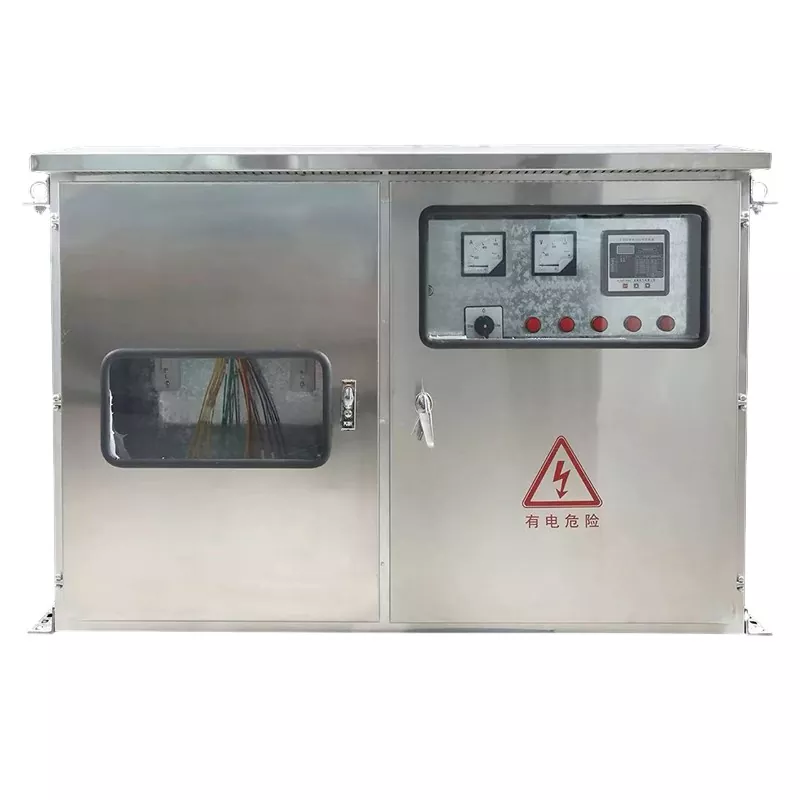
European-Style Cable Branch Box

Table of Contents


Introduction to Box-type Substations

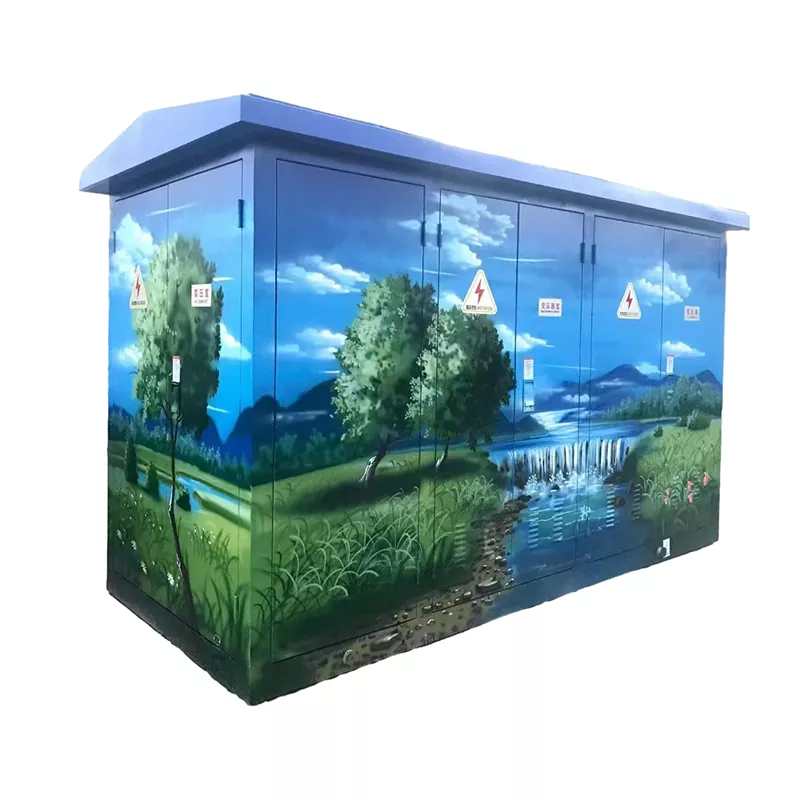
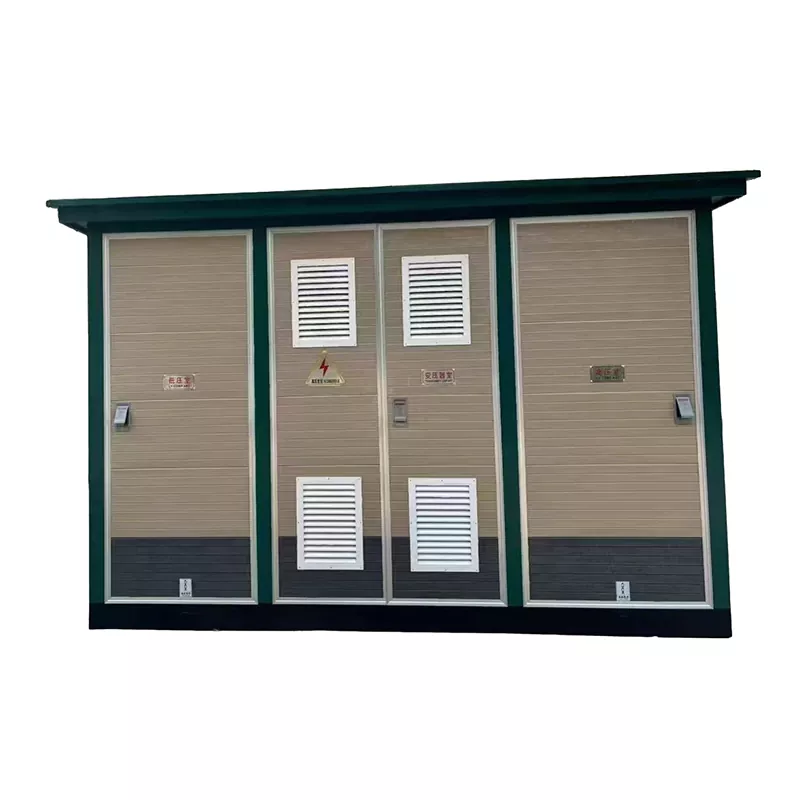
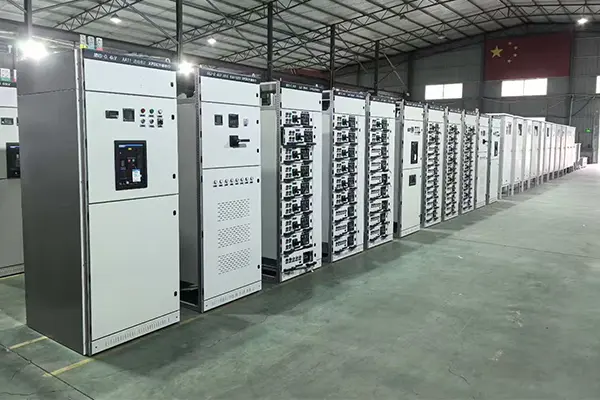
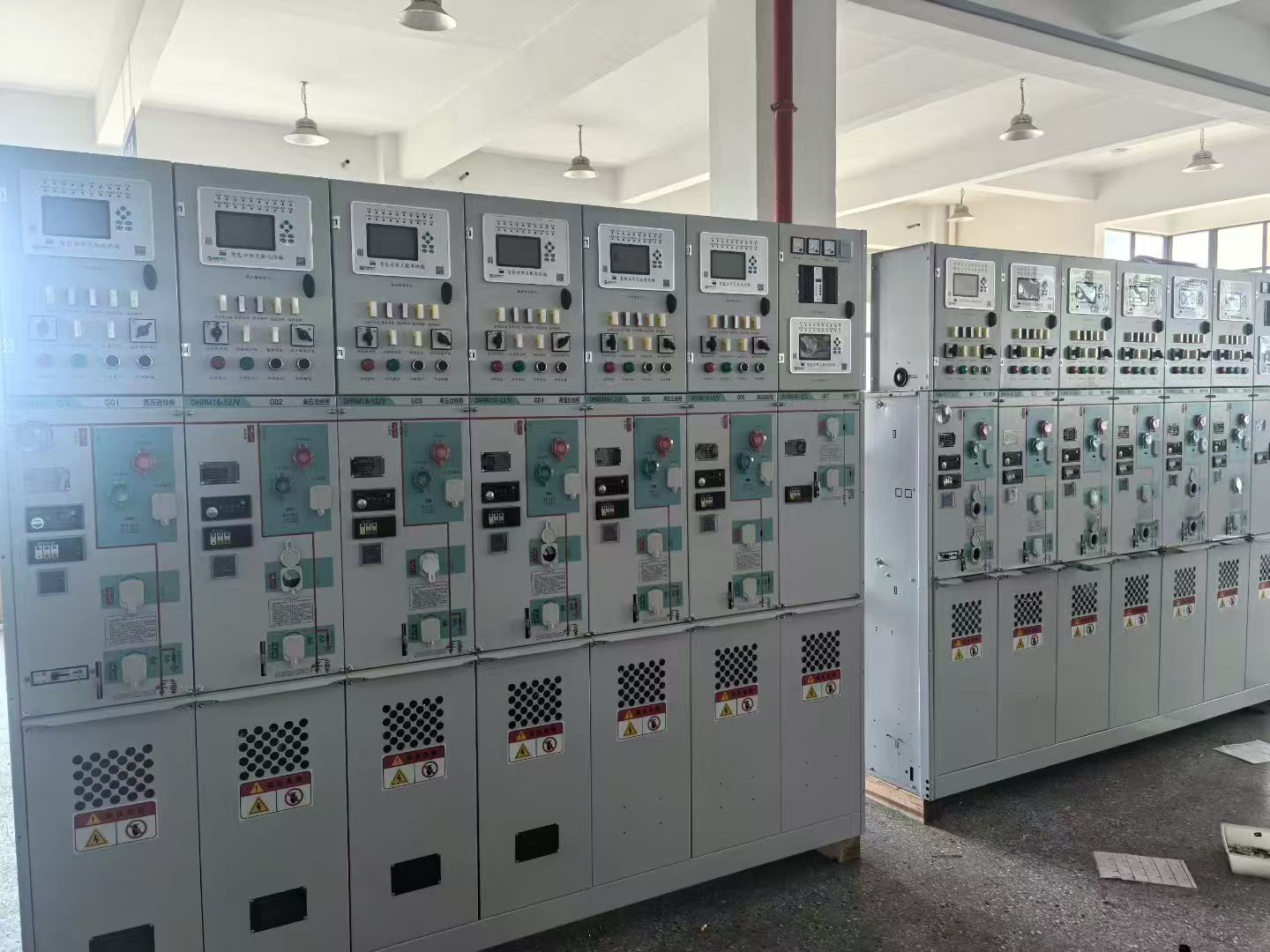
Box-type substations, also known as prefabricated substations, are pre-engineered units combining transformers, switchgear, and protection devices in a single compact enclosure. They are widely used for:

  • Urban power distribution
  • Industrial facilities
  • Commercial buildings

Junray Electrical specializes in designing and supplying high-quality box-type substations tailored to specific project requirements.


Key Components of a Box-type Substation

A typical box-type substation contains several crucial components that ensure safe and efficient electricity distribution. The main elements include:

Component Description Purpose
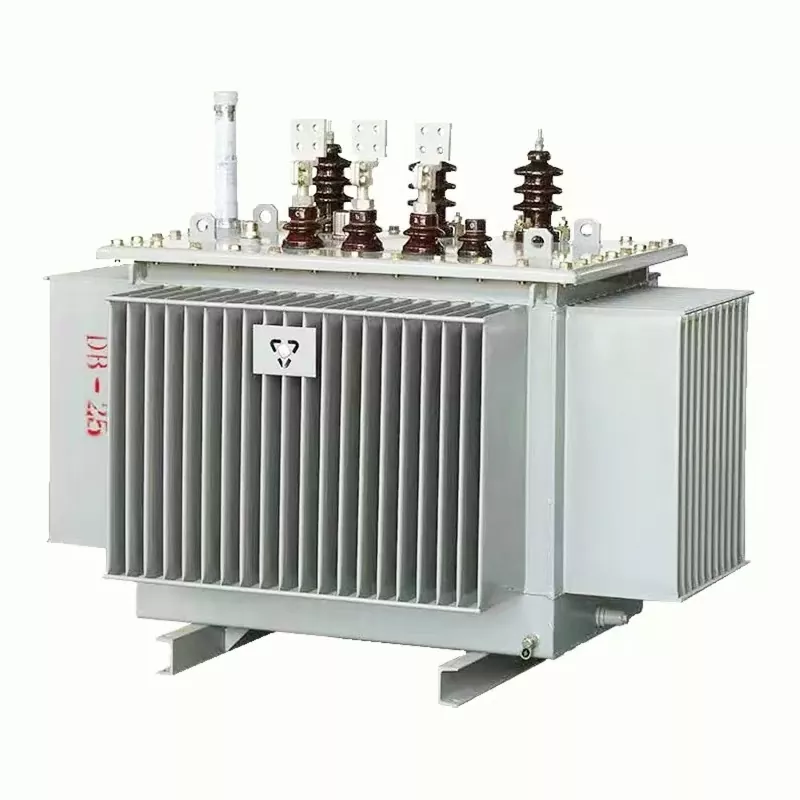
Transformer Oil-immersed or dry-type transformer Steps down high voltage to low voltage for distribution
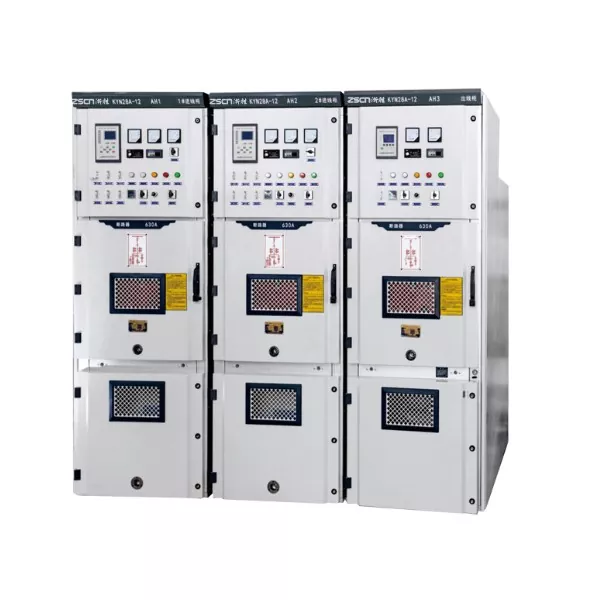
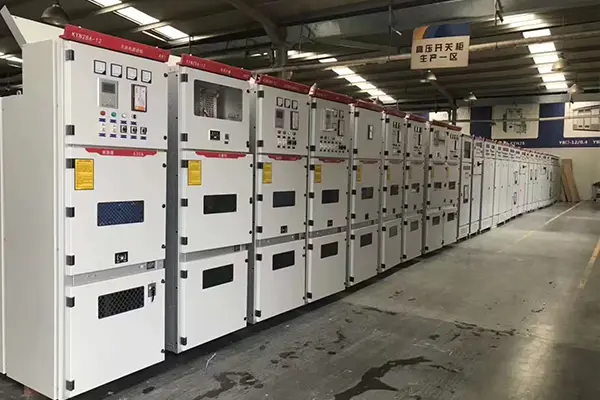
Switchgear Metal-clad or air-insulated switches Controls, protects, and isolates electrical circuits
Protection Relays Overcurrent, earth fault, and voltage relays Prevents damage and ensures safety
Busbars Copper or aluminum bars for current conduction Distributes electricity within the substation
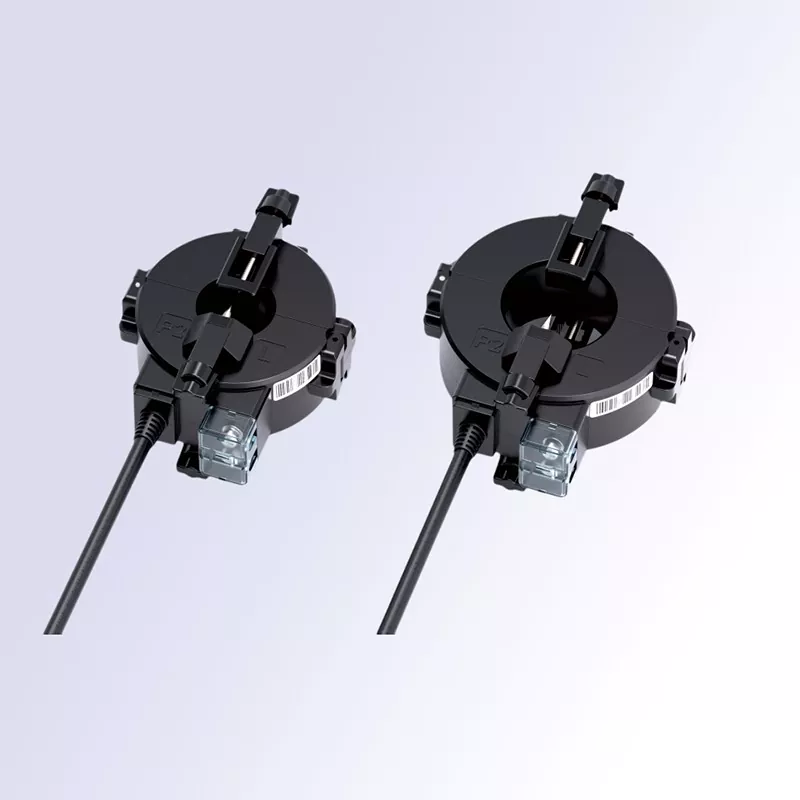
Monitoring Devices Temperature sensors, meters, and control panels Monitors operational conditions and performance

Working Principle

Box-type substations operate by receiving high-voltage electricity from the power grid, stepping it down to a usable voltage, and distributing it safely to end users. The workflow is as follows:

  1. High Voltage Input: Electricity enters via incoming feeders.
  2. Transformation: The transformer reduces voltage to the desired level for local distribution.
  3. Protection & Control: Switchgear and relays regulate flow and protect against faults.
  4. Distribution: Busbars and outgoing feeders deliver electricity to buildings or industrial loads.

Advantages of Box-type Substations

  • Compact and modular, ideal for limited spaces
  • Quick installation reduces project timelines
  • High safety due to enclosed design and built-in protection devices
  • Reliable operation in urban and industrial environments
  • Low maintenance costs with standardized components

Installation Considerations

Proper planning ensures optimal performance and safety. Key factors include:

  • Site Selection: Must accommodate size, load, and safety clearance.
  • Foundation: Strong, level foundation to support substation weight.
  • Environmental Protection: Weatherproof and dustproof designs recommended.
  • Access for Maintenance: Adequate clearance for inspections and repairs.

Maintenance Tips

Routine maintenance prolongs the lifespan and ensures reliable operation:

  • Check oil levels and insulation in transformers regularly
  • Inspect switchgear for wear and electrical contact integrity
  • Test protection relays periodically
  • Monitor temperature and load to prevent overheating
  • Keep the enclosure clean and free from moisture

Frequently Asked Questions

What is the typical lifespan of a box-type substation?
With proper maintenance, these substations can operate reliably for 25–30 years.
Can box-type substations be customized?
Yes, Junray Electrical offers tailored designs to meet specific voltage, capacity, and space requirements.
Are they suitable for outdoor installation?
Absolutely. They are designed with weatherproof and corrosion-resistant enclosures for outdoor use.
How often should maintenance be performed?
Routine inspections should be conducted every 6–12 months, with more detailed maintenance every 2–3 years.

Junray Electrical provides high-quality box-type substations for reliable and efficient power distribution. Explore our solutions and contact us to discuss your project needs.

Related News
Leave me a message
X
We use cookies to offer you a better browsing experience, analyze site traffic and personalize content. By using this site, you agree to our use of cookies. Privacy Policy
Reject Accept