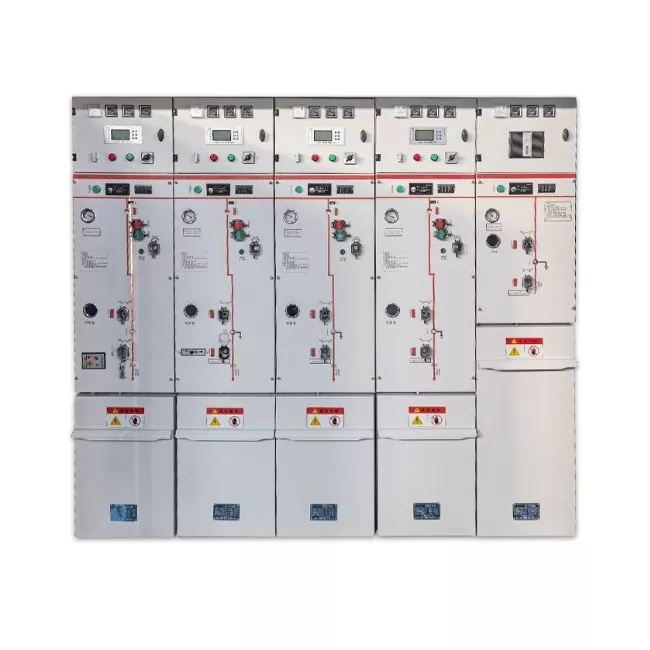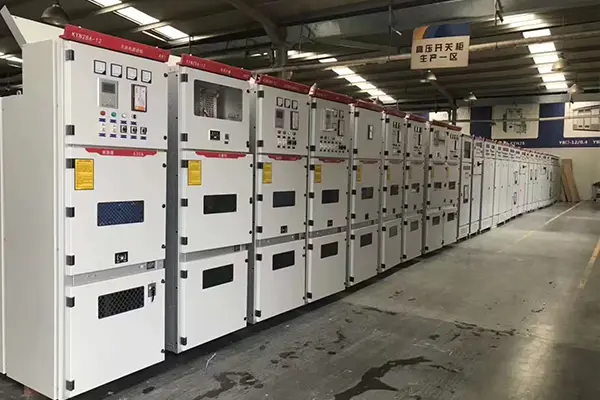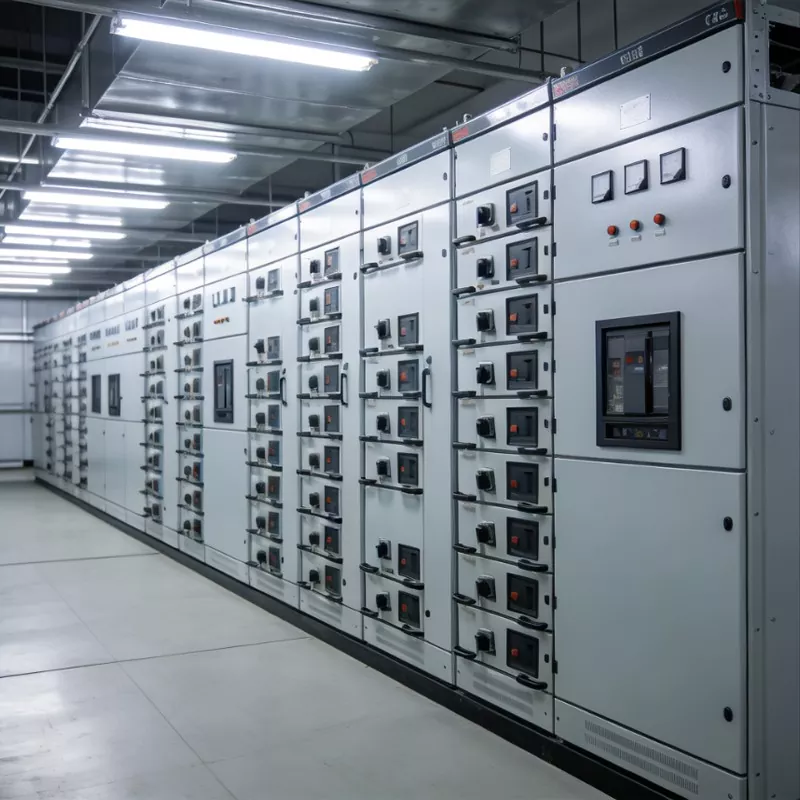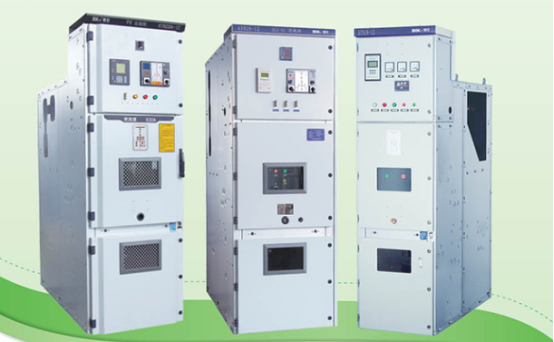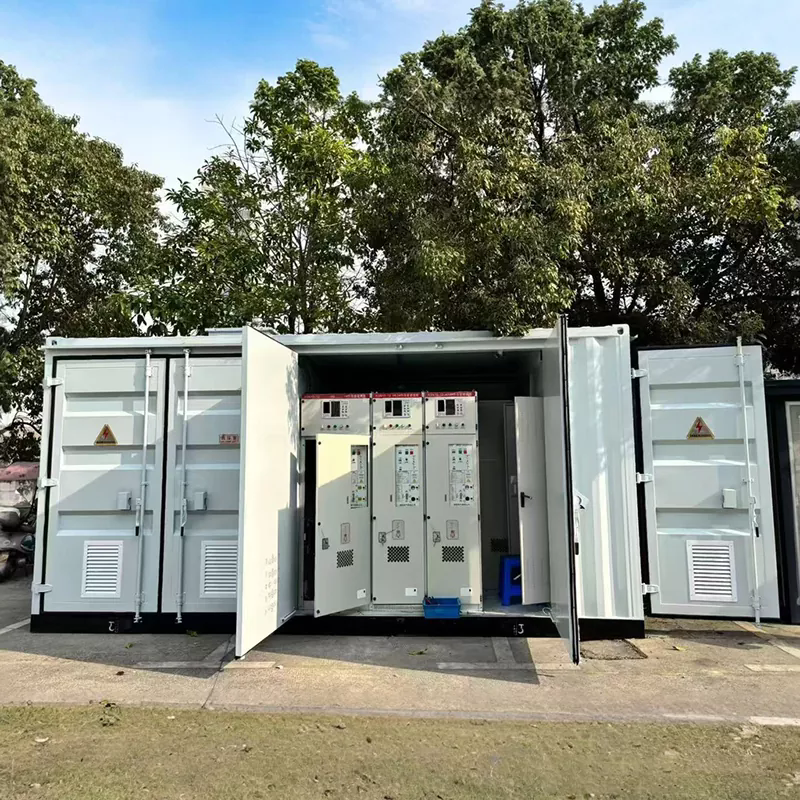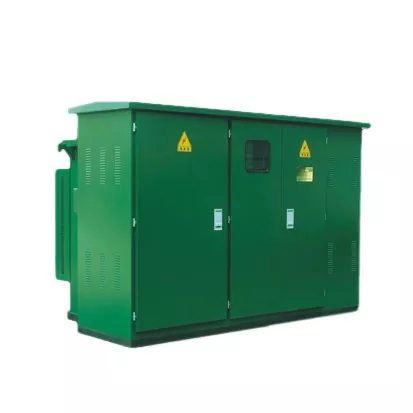

Amidst the global wave of power distribution network upgrades, overseas markets—including the Middle East, Southeast Asia, Central Asia, and Africa—are experiencing a boom in power infrastructure development. However, these regions often present harsh environmental conditions, such as extreme heat, pervasive dust and sand, high humidity and salt spray, as well as extreme cold and high altitudes. In such adverse environments, conventional power distribution equipment is highly susceptible to critical failures like insulation flashover, mechanical jamming, and severe corrosion. To address these challenges, SF6 gas-insulated switchgear (C-GIS)—characterized by its fully sealed, maintenance-free, and highly reliable nature—is rapidly becoming the preferred solution for grid engineers operating in extreme environments.

For overseas customers, "long service life" and "low maintenance" are not merely technical specifications but represent core business value by reducing Total Cost of Ownership (TCO). The advantages of SF6 gas-insulated switchgear in this regard are evident across three dimensions:
First is its exceptional resilience to extreme environments. The equipment's core live components are fully sealed within a stainless-steel gas tank, typically achieving an IP67 protection rating. This fully enclosed structure renders the equipment impervious to the high temperatures and fine sand of Middle Eastern deserts, the high humidity and salt spray of Southeast Asian rainforests, and the condensation issues found in the frigid regions of Russia. Second, the equipment boasts an ultra-long mechanical lifespan and maintenance-free operation. Its internal operating mechanism is specially designed to withstand over 10,000 mechanical operations, with an overall design life of up to 30 years. This significantly cuts the high costs associated with manual inspections and maintenance in remote overseas locations. Finally, it offers superior safety and reliability. SF6 gas provides excellent arc-extinguishing performance; combined with a robust gas tank structure and pressure-relief channel design, this grants the equipment strong internal arc resistance, ensuring continuous and safe power supply even during grid fluctuations or under harsh operating conditions.
Compared to traditional air-insulated switchgear (AIS), SF6 gas-insulated switchgear (GIS) offers generational advantages across several key metrics. Regarding space utilization, the exceptionally high dielectric strength of SF6 gas allows the GIS unit to occupy only one-third to one-fifth of the volume of traditional AIS, reducing the footprint by over 70%. This offers significant savings on civil engineering costs for overseas infrastructure projects—particularly for compact urban substations or retrofitting projects where space is at a premium.
In terms of environmental resilience and lifecycle costs, traditional AIS units are prone to dust accumulation and moisture ingress; conductive films can form on insulation surfaces, leading to flashovers, while metal enclosures corrode rapidly in coastal regions. In contrast, the internal insulation of GIS is unaffected by external humidity or pollution. Although the initial procurement cost of GIS may be slightly higher, its virtually maintenance-free nature reduces unplanned outages and the frequency of troubleshooting by over 80%, making its overall economic value far superior to that of traditional AIS in the long run.
The reliability of SF6 GIS stems from its precise physical mechanisms and structural design. Regarding gas properties, SF6 is an electronegative gas that strongly captures free electrons to form negative ions, boasting a dielectric strength 2.5 to 3 times that of air. Working in conjunction with vacuum or SF6 arc-quenching chambers, it rapidly interrupts short-circuit currents and prevents arc restrike.
Regarding structural design, the sealing process of the gas tank is paramount. High-quality GIS units utilize robotic automated sealing and welding technologies to ensure uniform, robust welds. Before leaving the factory, each unit undergoes high-precision helium mass spectrometry leak testing, strictly limiting the annual gas leakage rate to within 0.1% or even 0.05%. Additionally, the gas tank is equipped with an explosion-proof pressure relief channel; in the event of an extreme internal fault, it instantly releases high-pressure gas, ensuring the safety of operating personnel and surrounding equipment.
SF6 gas-insulated switchgear (GIS) demonstrates exceptional adaptability to the unique operating conditions found in overseas markets:
In the desert regions of the Middle East, facing extreme heat (exceeding 50°C) and pervasive dust, the fully sealed structure of the switchgear effectively prevents dust from entering the operating mechanism, thereby avoiding lubricant drying and mechanical jamming. In the coastal and island regions of Southeast Asia, high-salinity environments often cause insulation degradation in traditional equipment; the switchgear not only offers superior corrosion resistance, but the dry SF6 gas inside also completely eliminates the risk of surface flashover. In the high-altitude, frigid regions of Central Asia and Russia, condensation caused by drastic diurnal temperature fluctuations is a major threat to power grids; the switchgear is unaffected by the insulation derating typically caused by low atmospheric pressure and fundamentally eliminates short-circuit accidents triggered by condensation. Furthermore, the compact size of the switchgear is a significant advantage in space-constrained environments, such as urban underground substations.
To ensure flawless performance in overseas projects, electrical engineers should focus on the following four core technical dimensions when selecting equipment:
1. Electrical Performance: Verify that the rated voltage (e.g., 12kV/24kV/35kV), rated current (630A/1250A), and rated short-circuit breaking current (e.g., 25kA/31.5kA) meet the local grid's peak load and short-circuit capacity requirements.
2. Sealing and Protection Ratings: Require the manufacturer to provide proof of an IP67 protection rating for the gas tank, and pay close attention to the annual leakage rate (products with a rate of ≤0.1% are preferred) as well as the helium mass spectrometry leak detection report.
3. Environmental Resilience: Verify the equipment's operating temperature range (e.g., a wide range from -40°C to +55°C) and its capability to operate without derating at high altitudes (e.g., above 3,000 meters).
4. Mechanical and Operational Lifespan: Require type test reports to confirm that the mechanical operational lifespan of the load-break switches and circuit breakers meets the standard of 10,000 operations or more. In summary, SF6 gas-insulated switchgear—with its fully sealed insulation structure, exceptional resilience against harsh environments, and extended maintenance-free service life—demonstrates irreplaceable technical value in demanding overseas operating conditions. It serves not merely as a piece of power distribution equipment, but as a robust foundation for ensuring the long-term, stable operation of overseas infrastructure and reducing total lifecycle operation and maintenance costs.
If you are seeking highly reliable power distribution solutions for overseas projects, or require customized equipment selection tailored to specific extreme operating conditions, please feel free to contact our technical team. Junray Electrical is ready to provide detailed technical specifications and professional engineering support to ensure the successful implementation of your project.