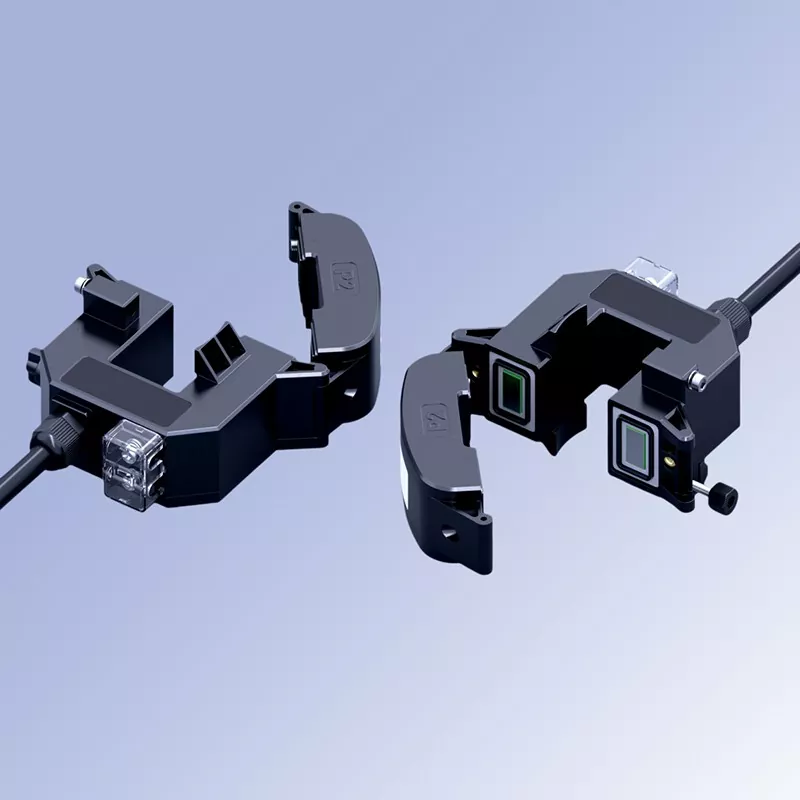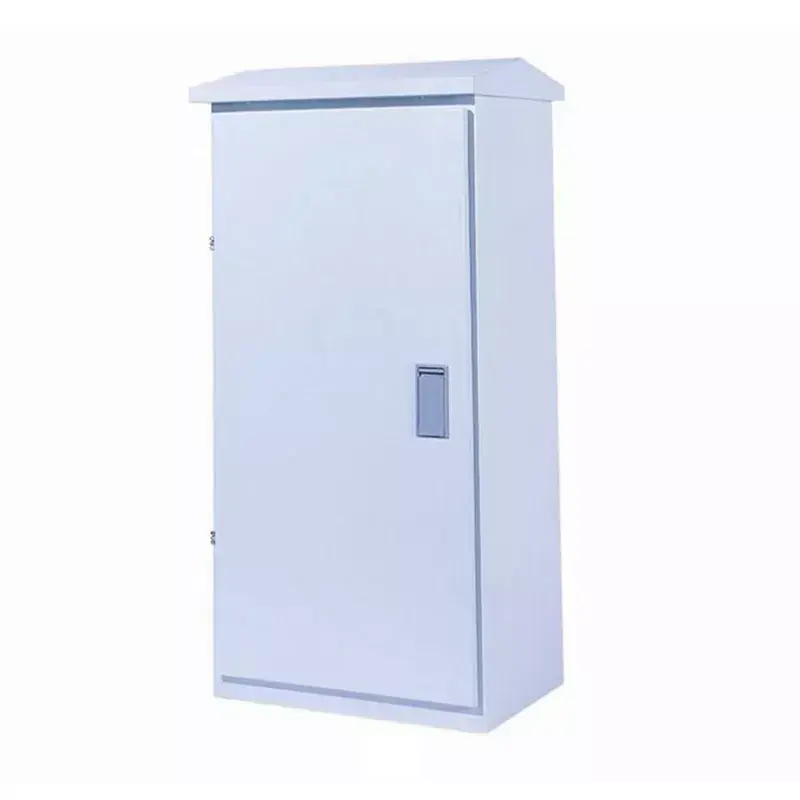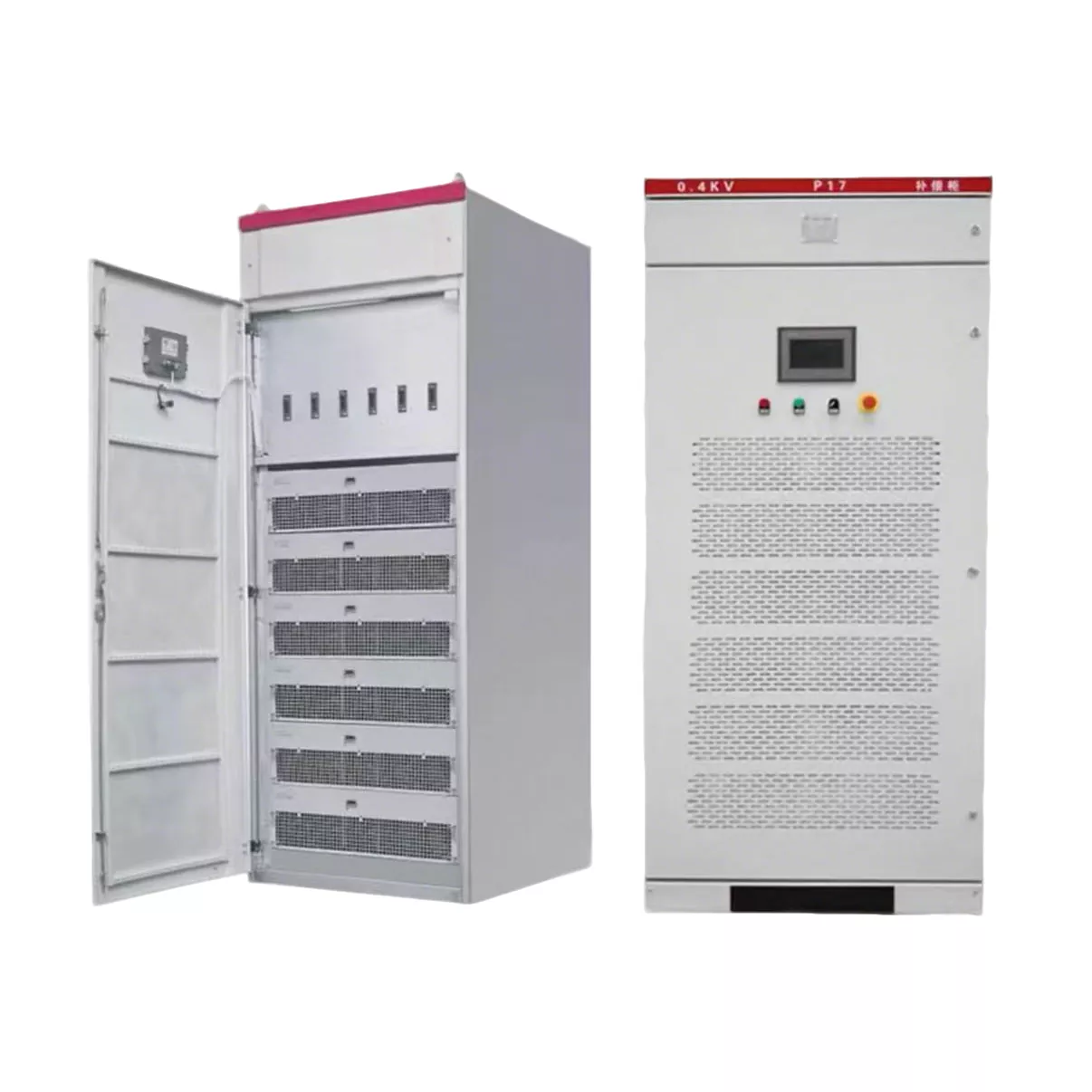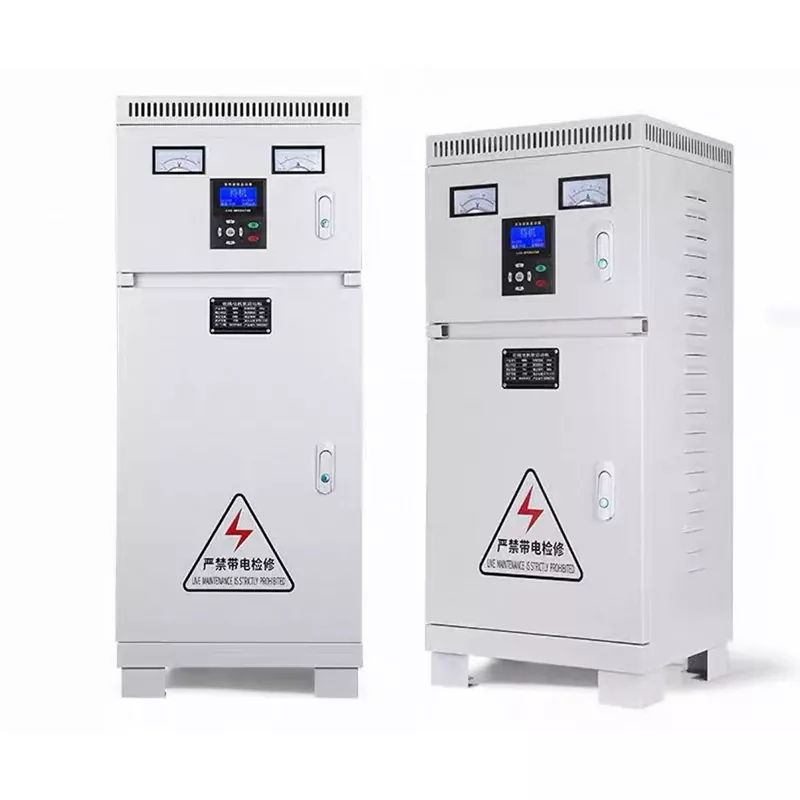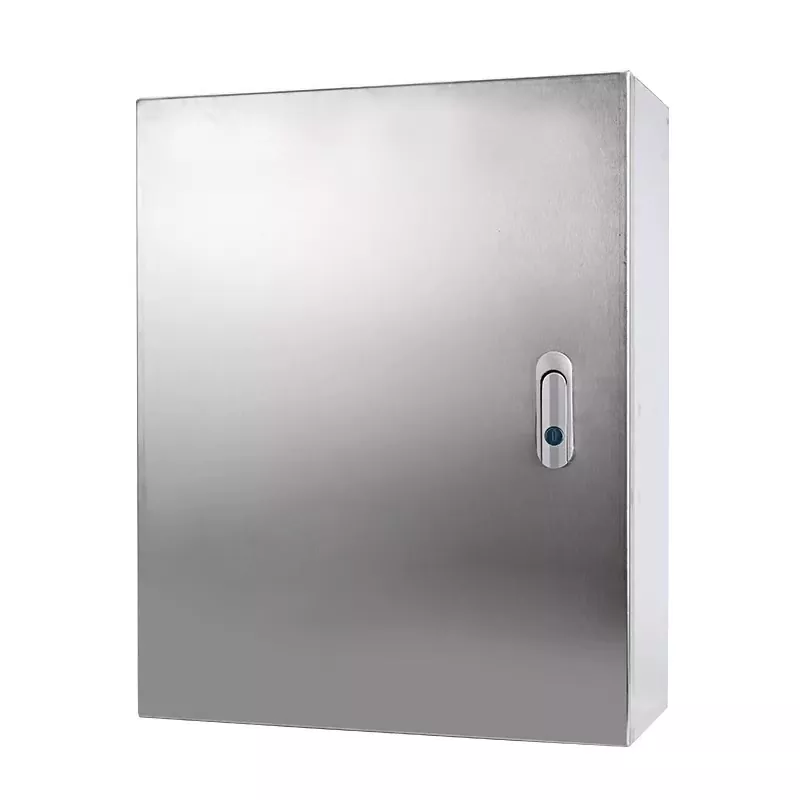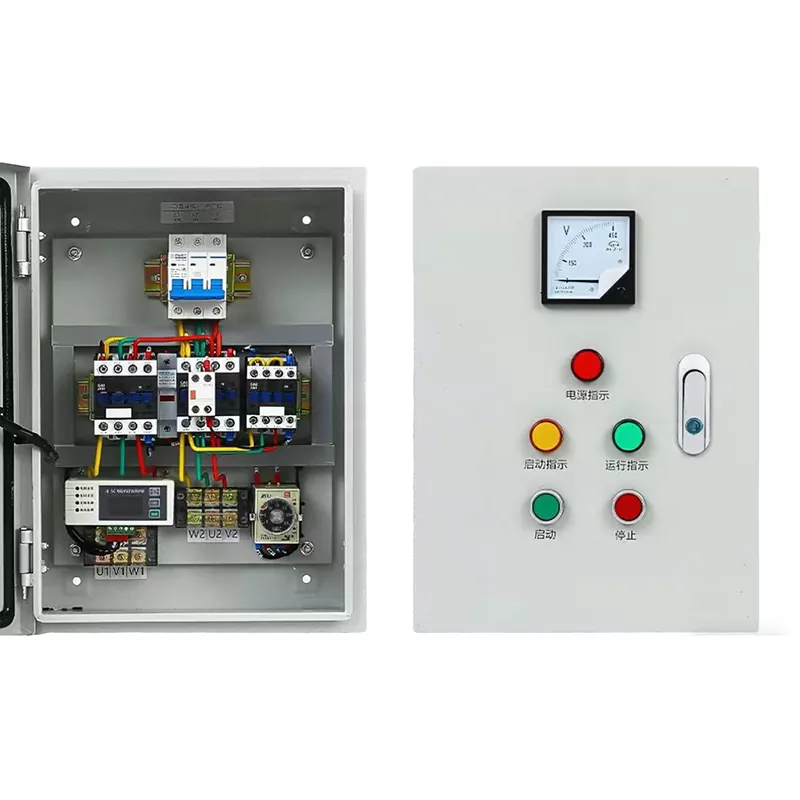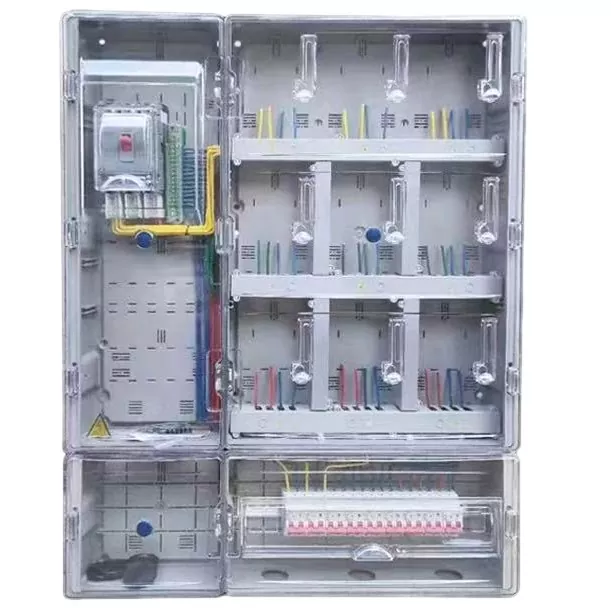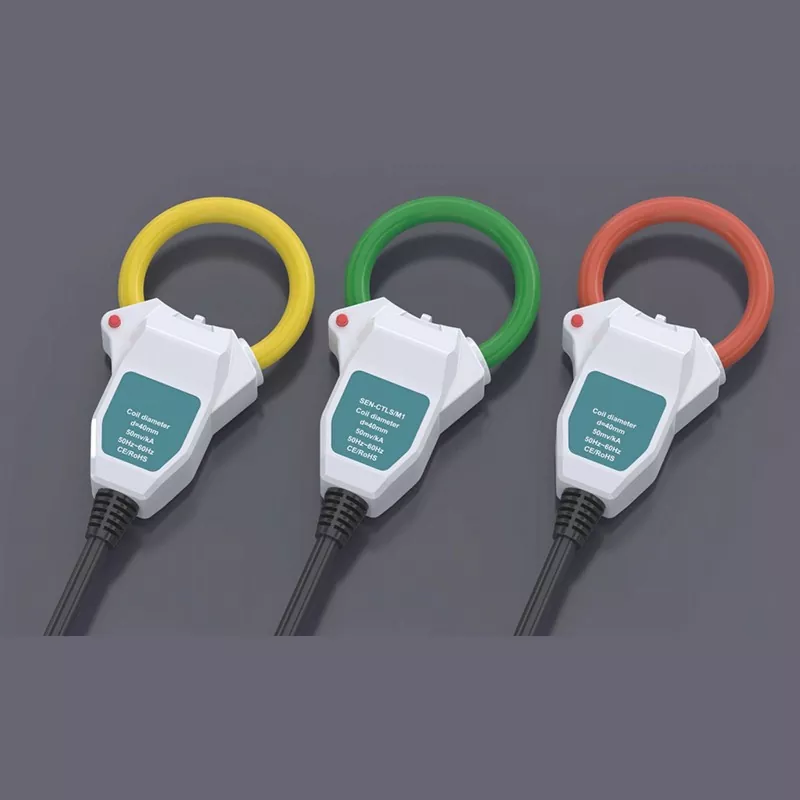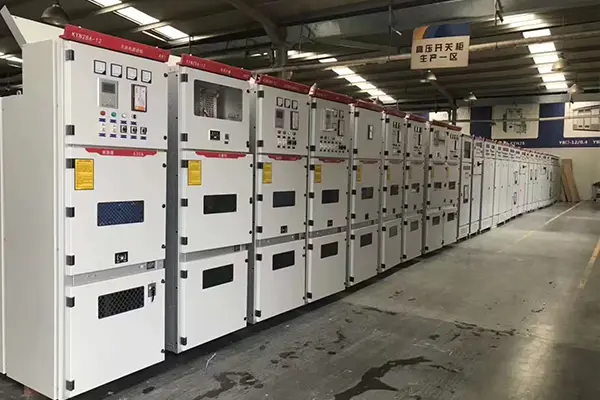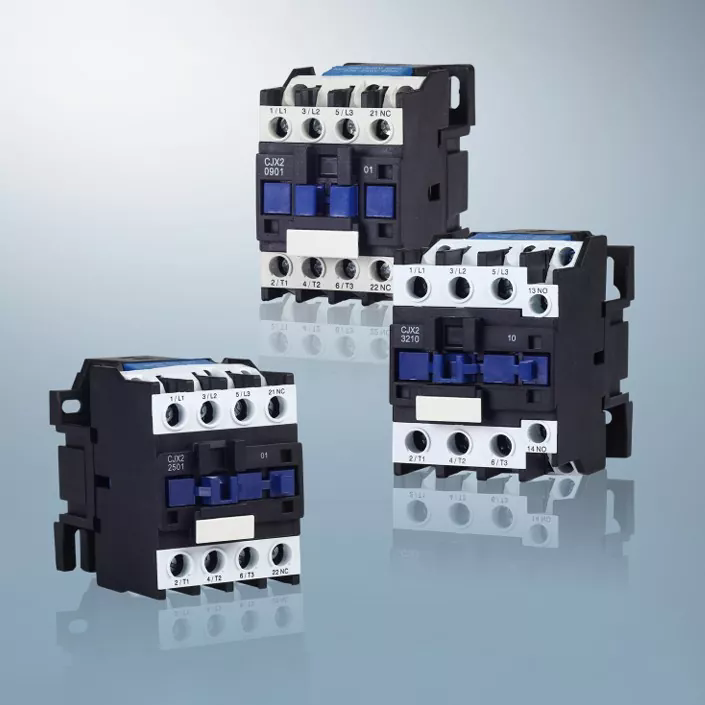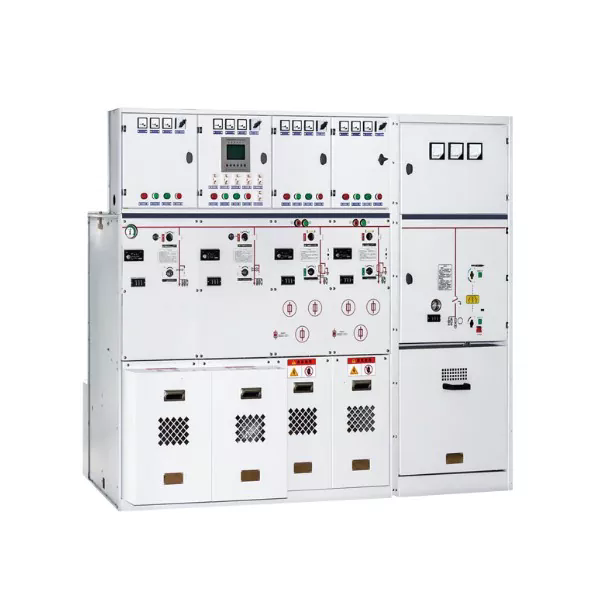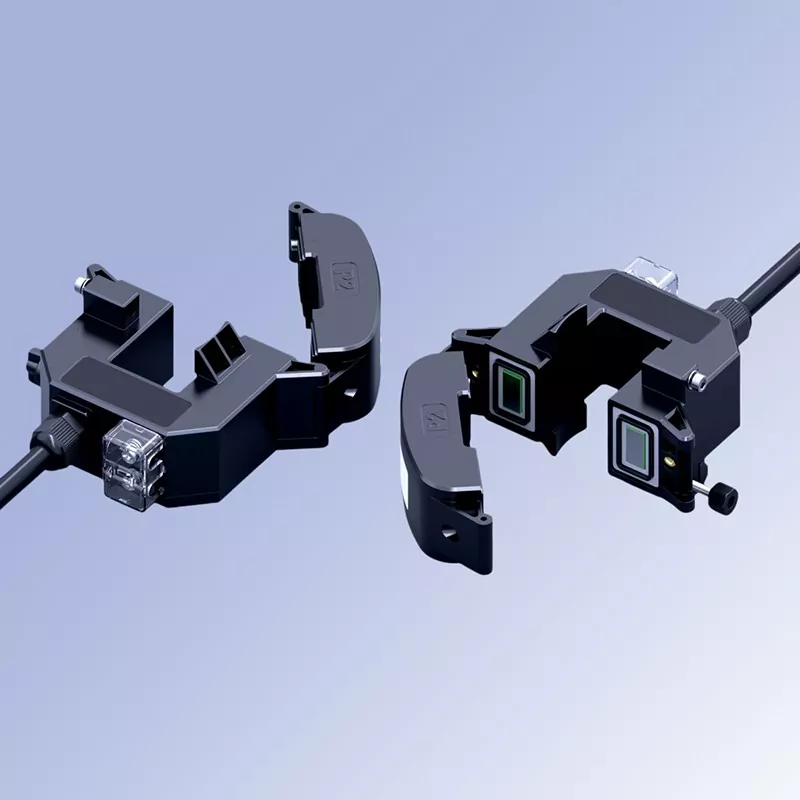

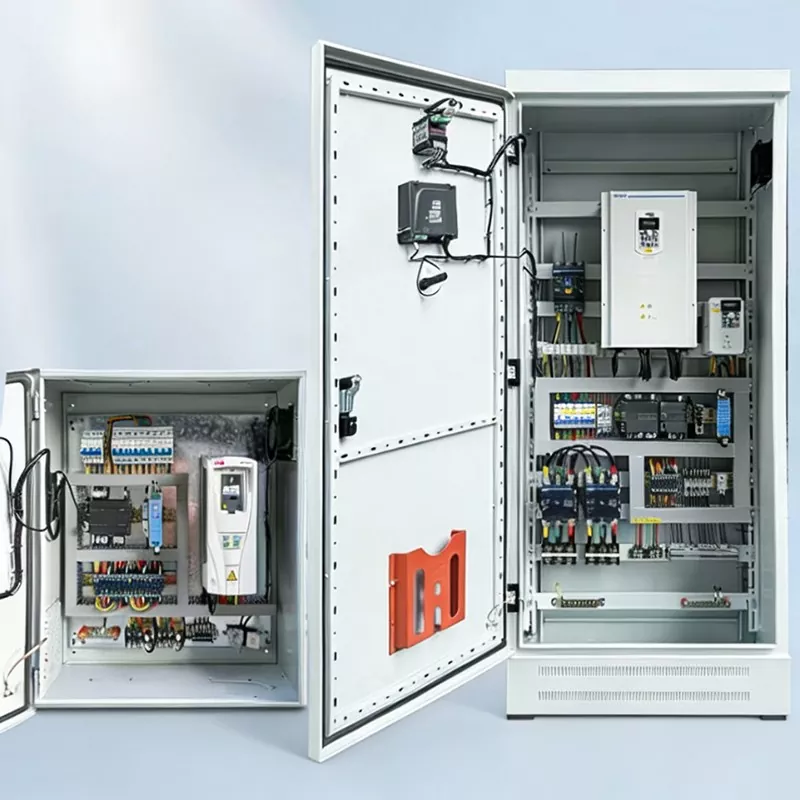
Junray Electrical Variable Frequency Control Cabinet is an intelligent motor speed control solution specifically designed for industrial and municipal applications requiring precise flow, pressure, or speed regulation. By automatically adjusting motor speed according to actual load conditions, it delivers energy savings of 30% to 50% compared to fixed-frequency operation. Features include 0-50Hz stepless speed regulation, PID closed-loop automatic control for constant pressure or constant flow, soft start/stop to eliminate mechanical shock and water hammer, switchable VFD/mains-frequency backup modes, and comprehensive overload, overcurrent, overvoltage, and undervoltage protections. Suitable for water pumps, fans, air compressors, conveyors, and various industrial motors in manufacturing plants, wastewater treatment facilities, HVAC systems, and building automation. Rated power ranges from 0.75kW to 500kW with IP40 protection, supporting both floor-mounted and wall-mounted installation. Designed for 24/7 continuous operation in demanding industrial environments.
Intelligent Speed Control: It can automatically adjust the motor speed according to the load changes. For example, for water pumps, when the water usage is low, the speed will be automatically reduced to avoid continuous full-load operation, perfectly adapting to fluctuating loads.
Energy Saving and Cost Reduction: Compared with operating at fixed frequency, it can save 30%-50% of electricity costs. For equipment like water pumps and fans that operate continuously, over the course of a year, several thousand or even tens of thousands of dollars in electricity costs can be saved. The long-term benefits are extremely high.
Soft Start: The function of protecting the motor during soft start. When starting, the current rises gradually, without the large starting current of fixed frequency, which will not damage the motor or impact the power grid, significantly extending the motor's service life.
Multiple Protection: Stable and reliable overload, overcurrent, overvoltage, and undervoltage protection. When the motor malfunctions, it can automatically stop, protecting the motor and the frequency conversion module, preventing equipment damage, and ensuring stability and reliability.
Remote Control: Intelligent monitoring supports remote control and intelligent monitoring. It can remotely adjust the speed, view operation data, and avoid on-site operation, making management more convenient.
|
Item |
Specification |
|
Rated Voltage |
AC 380V / 220V |
|
Rated Frequency |
50Hz |
|
Rated Power |
0.75kW ~ 500kW (customizable) |
|
Speed Regulation Range |
0 ~ 50Hz |
|
Protection Class |
IP40 |
|
Mounting Type |
Floor-mounted / Wall-mounted |
1. Variable Frequency Module: High-quality variable frequency module, with precise speed control and stable operation;
2. Soft Start Function: Soft start, reducing starting current and protecting the motor;
3. Multiple protections: Overload, overcurrent, overvoltage, and undervoltage protections, ensuring stability and reliability;
4. Heat Dissipation and Ventilation Design: The Variable Frequency Control Cabinet is equipped with dedicated heat dissipation channels, which can quickly remove operating heat and ensure the stable operation of the variable frequency module;
5. Standard Wiring Process: Separation of power and signal lines, horizontal and vertical wiring, facilitating maintenance and ensuring safety and standardization.
The Variable Frequency Control Cabinet is widely applicable and can be used in various scenarios:
Water pump control: Variable frequency speed regulation for water supply pumps and sewage pumps, achieving energy saving and consumption reduction;
Fan control: Variable frequency speed regulation for fans and ventilators, achieving energy saving and consumption reduction;
Air compressor: Variable frequency control for air compressors, achieving energy saving and consumption reduction;
Conveyor belt: Variable frequency speed regulation for conveyors, adjusting the speed;
Other industrial motors: Various industrial motors that require speed regulation.
I. Project Profile
This project involves the energy-saving upgrade of a large-scale municipal wastewater treatment plant. The facility's core equipment includes Roots blowers for aeration, sewage lift pumps, and return pump sets. Originally, all equipment relied on direct-on-line or star-delta starting methods and utilized valve throttling for flow regulation. The equipment operated continuously at constant full speed, resulting in significant startup surges, an inability to adjust water pressure or airflow, and severe energy waste. Additionally, the system suffered from pipeline water hammer, excessive blower noise and vibration, high equipment failure rates, and substantial O&M costs.
To achieve stepless speed regulation, constant pressure and flow, on-demand energy supply, and reduced energy consumption, a comprehensive retrofit of the plant's high-power blowers and pumps was undertaken. Intelligent variable-frequency drive (VFD) control cabinets were installed across the board, linked to a PLC central control system for automatic speed adjustment, thereby ensuring intelligent, energy-efficient, and stable plant operation.
II. Pre-Retrofit Issues
Excessive energy loss: Constant-speed operation at line frequency meant equipment ran at full load regardless of actual water quality or volume, leading to high energy waste during low-load periods.
High startup surge current: Star-delta starting caused mechanical shock, frequently resulting in grid voltage fluctuations, mechanical damage, and premature failure of bearings and couplings.
Poor process regulation precision: Airflow and water pressure were regulated via manual valve throttling, resulting in lag and low accuracy; this caused unstable dissolved oxygen levels in biochemical tanks and inconsistent wastewater treatment performance.
Severe water hammer, vibration, and noise: Rapid startup and shutdown at line frequency caused significant water hammer effects, leading to loose or leaking pipelines, while blower vibration and noise exceeded permissible limits.
Short equipment lifespan and frequent maintenance: Long-term high-speed operation with mechanical shock accelerated wear on motors, pump bodies, and blowers, resulting in high annual repair and replacement costs and production disruptions due to downtime.
III. Equipment Configuration Plan
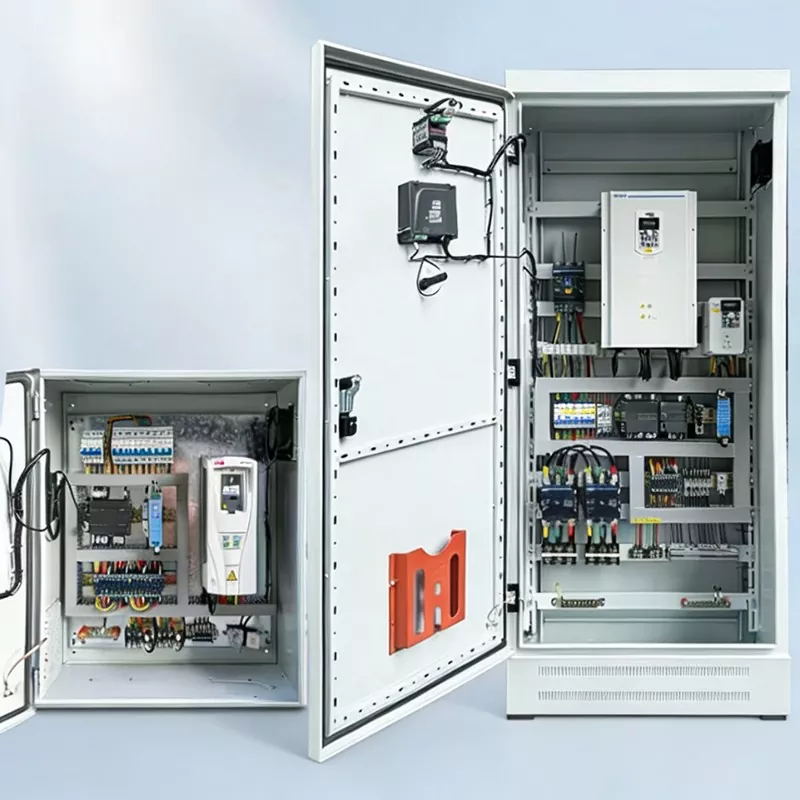
Based on the load characteristics of the plant's blowers and pumps and the energy-saving requirements, custom intelligent VFD control cabinets were installed on-site. These cabinets support "one-to-one" and "one-to-many" control configurations and feature PID-based automatic constant pressure/flow regulation, central control system integration, and seamless switching between line-frequency and variable-frequency operation, ensuring suitability for 24-hour continuous process operations. Core Equipment Specifications
Equipment Type: Low-voltage intelligent variable-frequency control cabinet (dedicated to fans/pumps)
Compatible System: 380V three-phase AC low-voltage power distribution system
Control Power: 15kW–75kW (tiered matching for various pump sets and fan equipment)
Speed Control Method: 0–50Hz stepless smooth speed regulation; intelligent PID closed-loop automatic adjustment
Operating Modes: Switchable between VFD automatic, VFD manual, and mains-frequency (bypass) backup modes
Interlocking Functions: Supports PLC central control communication, RS-485 remote networking, data uploading, and automatic start/stop
Protection Functions: Over-voltage, under-voltage, over-current, overload, phase loss, overheating, short-circuit, and stall protection
Auxiliary Functions: Soft start/stop (shock-free), fault logging, alarm feedback, and mains-frequency emergency switching
IV. Retrofit Highlights
Demand-based speed control for maximum energy efficiency: Automatically adjusts rotational speed based on influent flow rates and dissolved oxygen data in biochemical tanks; operates at low frequencies during low-load periods, eliminating the energy waste associated with constant full-speed mains-frequency operation.
Shock-free soft start: Smoothly accelerates from 0 Hz without inrush current; eliminates grid fluctuations, mechanical shock, and pipeline water hammer, thereby protecting motors and piping infrastructure.
Precise and stable process control: PID closed-loop regulation ensures stable pressure and flow; maintains constant airflow and water pressure, stabilizes biochemical treatment conditions, and significantly improves the compliance rate of treated sewage.
Dual-mode backup (Mains/VFD): One-touch switching to mains-frequency operation in the event of a VFD fault prevents downtime and ensures continuous operation of the wastewater treatment plant.
Intelligent remote O&M: Integrates with the plant's central control system for real-time monitoring of operating parameters and fault alerts; reduces the need for manual inspections and enables unmanned, intelligent management.
V. Post-Retrofit Operational Results
Significant energy savings: Equipment automatically reduces frequency based on load, achieving an overall electricity saving rate of 30%–40% and substantially lowering monthly production electricity costs.
Extended equipment lifespan: Shock-free soft start/stop and smooth low-speed operation significantly reduce wear on motors, bearings, and piping networks, cutting the equipment failure rate by over 80%. Stable process performance and compliance: Water pressure and airflow remain constant and controllable, enhancing the stability of wastewater treatment processes and ensuring effluent quality consistently meets standards while avoiding risks associated with process fluctuations.
Enhanced power grid stability: Eliminates high-current startup surges; ensures stable busbar voltage without instantaneous voltage drops or nuisance tripping of upstream circuit breakers.
Significantly reduced O&M costs: Features low equipment failure rates and minimal wear, eliminating the need for frequent maintenance; remote monitoring and early warning capabilities drastically reduce the manual workload for operations and maintenance.
VI. Case Summary
Variable-frequency control cabinets represent the optimal energy-saving control solution for applications such as water pumps, fans, central air conditioning systems, industrial assembly lines, constant-pressure water supply, and wastewater treatment. Compared to star-delta or soft-start methods, they offer key advantages including stepless speed regulation, precise process control, substantial energy savings, shock-free soft starting and stopping, and intelligent system integration. They not only resolve safety risks associated with equipment startup but also optimize production processes and reduce electricity costs, making them a standard, essential component for energy-saving retrofits in industrial and municipal sectors.
Address
No. 318, Weidian Road, Economic Development Zone, Yueqing City, Zhejiang Province, China
Tel