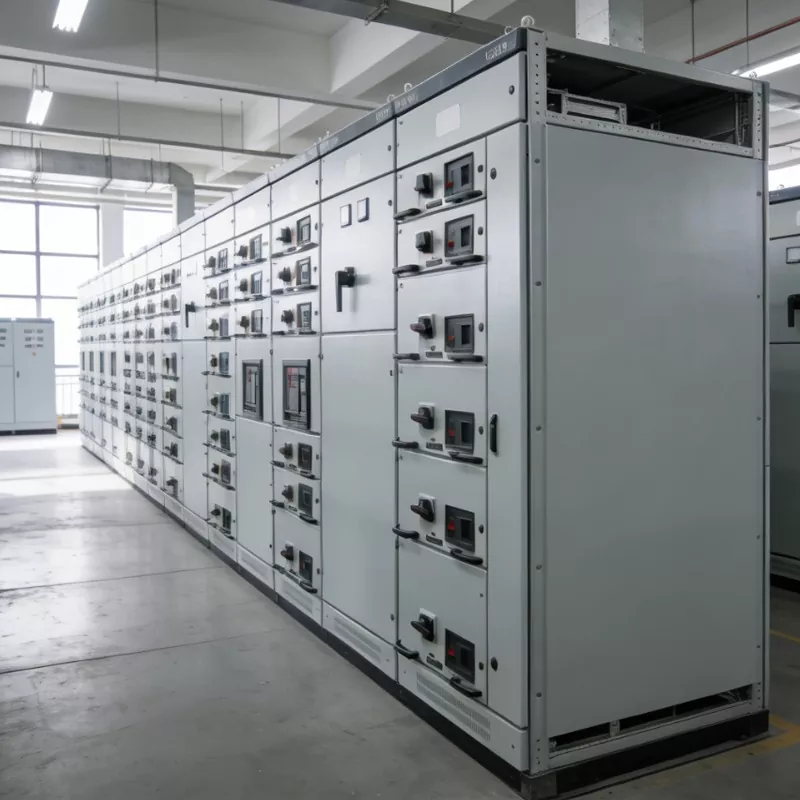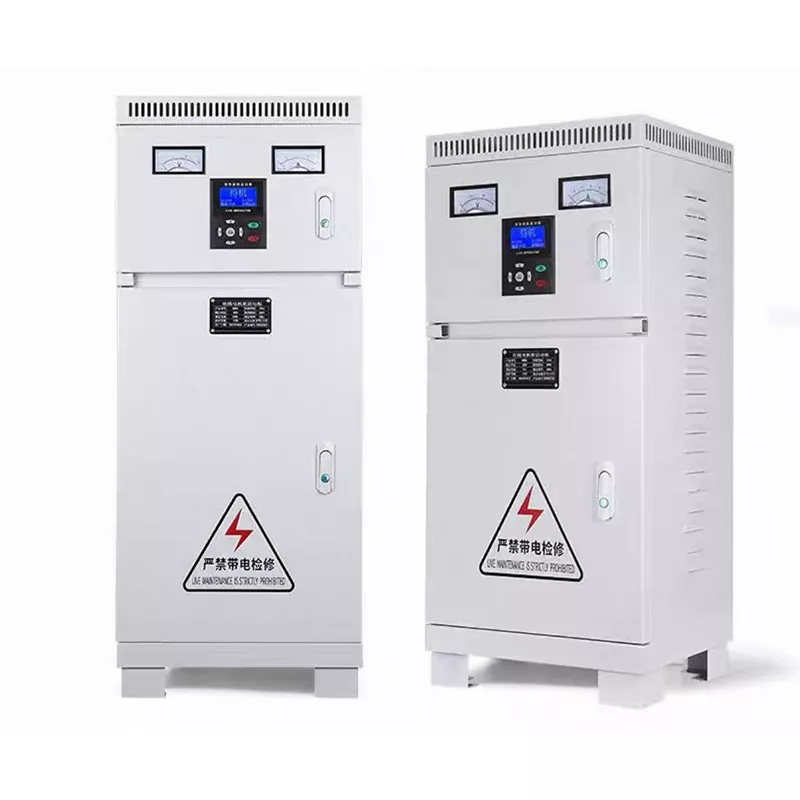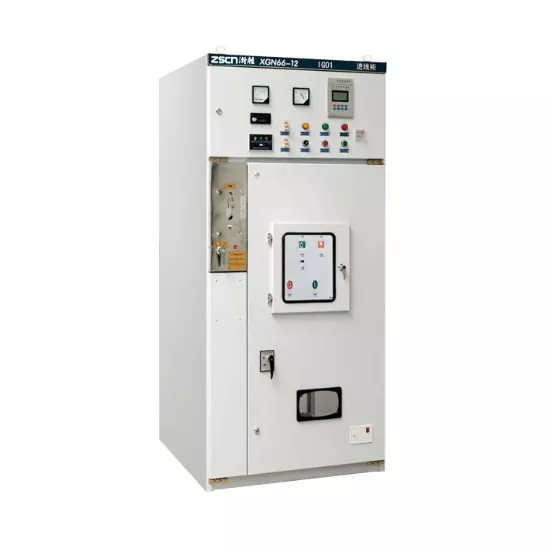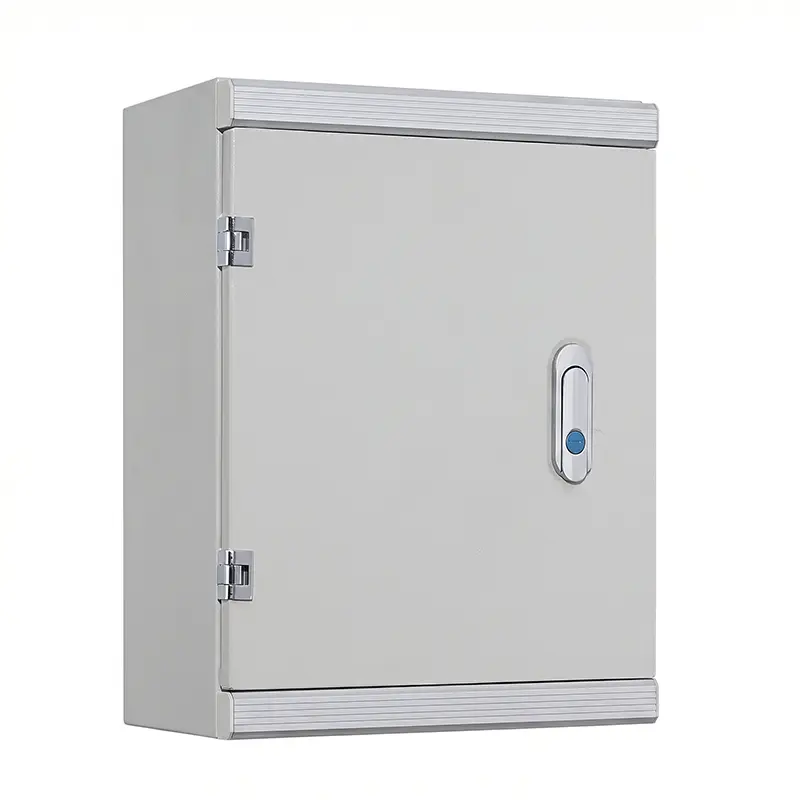

Junray provides the GGJ Reactive Power Compensation Cabinet to help industrial facilities improve power factor, reduce reactive power losses, and optimize low-voltage power distribution. Designed for applications with fluctuating electrical loads, this cabinet automatically adjusts reactive power compensation to support more stable system operation, improve transformer utilization, and help businesses manage electricity expenses more effectively.
A GGJ Reactive Power Compensation Cabinet is an important component of low-voltage power distribution systems, particularly in factories and commercial facilities with substantial inductive loads. By switching capacitor banks according to changing electrical demand, it compensates for reactive power, improves power factor, and reduces unnecessary current in distribution lines. Selecting the appropriate compensation capacity, control method, and harmonic protection configuration helps ensure reliable operation and long-term value. This guide explains how the equipment works, its technical specifications, key advantages, typical applications, and the factors buyers should consider before purchasing.
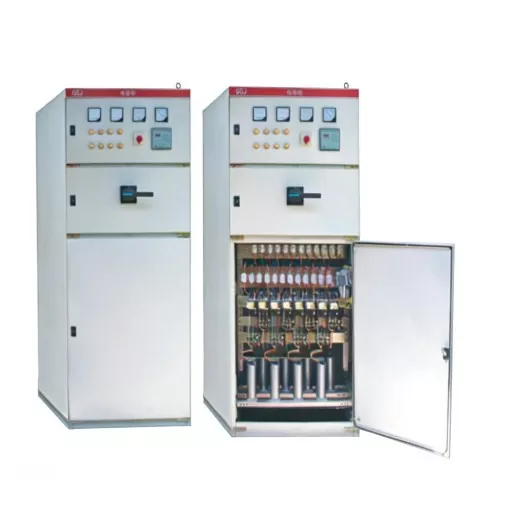
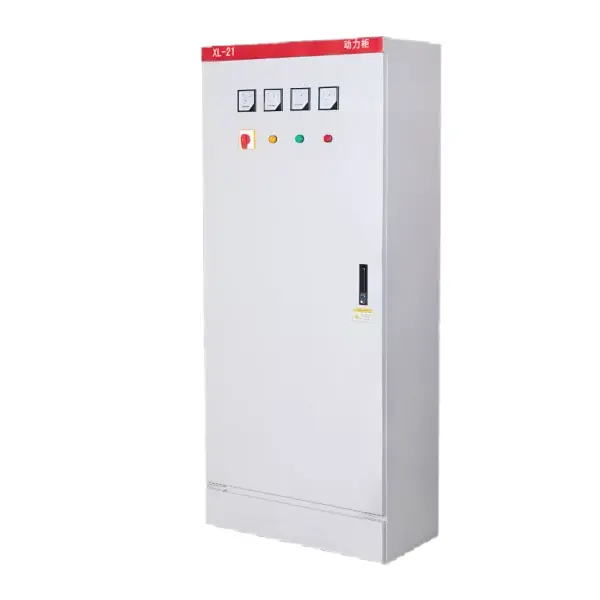
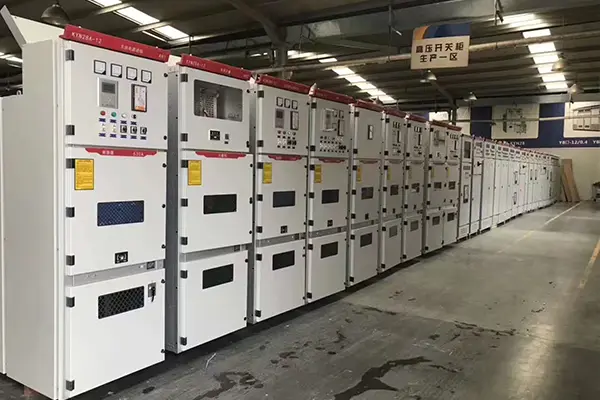
A GGJ Reactive Power Compensation Cabinet is a low-voltage electrical assembly designed to improve power factor by compensating for reactive power in an electrical distribution network. It typically integrates capacitor banks, switching components, a compensation controller, protective devices, and a metal enclosure into one coordinated system.
In industrial facilities, electrical equipment such as induction motors, pumps, compressors, and fans requires reactive power to establish magnetic fields. Although this power is necessary for equipment operation, excessive reactive current increases the current flowing through cables and transformers without contributing directly to useful mechanical output.
The GGJ cabinet addresses this issue by supplying capacitive reactive power near the distribution system. This reduces the amount of reactive power that must be drawn from the upstream network and helps improve the overall power factor.
Junray's product is designed for factory power distribution systems and other applications where automatic compensation can support energy management and equipment utilization. Depending on project requirements, the cabinet can be configured for different compensation capacities and installation conditions.
For product details and configuration information, visit the GGJ Reactive Power Compensation Cabinet product page.
The operating principle of a GGJ Reactive Power Compensation Cabinet is based on matching the reactive power demand of a load with an appropriate capacitive supply. This process helps reduce unnecessary reactive current and improves the relationship between active power and apparent power.
An intelligent compensation controller monitors electrical parameters through voltage and current measurement signals. Based on the measured power factor and the configured control settings, it determines whether additional capacitor stages should be connected or disconnected.
When a factory starts additional motors or production equipment, reactive power demand may increase. The controller can switch in suitable capacitor stages to provide additional compensation. When equipment stops and demand decreases, the controller can disconnect unnecessary stages to reduce the risk of overcompensation.
Power factor indicates how effectively an electrical system converts supplied apparent power into active power. A low power factor generally means that more current is required to deliver a given amount of active power.
For a simplified single-phase or balanced three-phase system under sinusoidal conditions, the relationship can be expressed as:
Power Factor = Active Power / Apparent Power
Improving power factor can reduce current-related losses in cables and transformers, provided the system is appropriately designed and operated. The actual benefit depends on the existing load profile, conductor resistance, operating hours, electricity tariff, and compensation settings.
In installations with significant nonlinear loads, harmonic measurements are also important. Capacitor banks can interact with system impedance and potentially amplify certain harmonics. A properly engineered solution may therefore require series reactors or separate harmonic mitigation equipment.
Before purchasing a GGJ Reactive Power Compensation Cabinet, buyers should review its rated voltage, frequency, compensation capacity, control strategy, enclosure protection, and construction materials. These parameters determine whether the equipment matches the electrical distribution system and operating environment.
| Parameter | Junray Product Specification | Selection Consideration |
|---|---|---|
| Rated Voltage | AC 380V | Confirm compatibility with the site distribution voltage. |
| Rated Frequency | 50Hz | Match the local power supply frequency. |
| Compensation Capacity | 50–500 kvar, customizable | Calculate the required capacity from measured or assessed load demand. |
| Power Factor Compensation Range | 0.8–0.99 | Define the target according to utility requirements and operating conditions. |
| Switching Mode | Intelligent dynamic zero-crossing switching | Evaluate load fluctuations and switching frequency. |
| Protection Level | IP30 | Check whether the indoor installation environment is suitable. |
| Cabinet Material | 8MF section steel and cold-rolled steel plate with plastic spraying | Consider structural strength, corrosion exposure, and maintenance access. |
| Installation Method | Floor-mounted | Allow sufficient space for installation, ventilation, and servicing. |
Note: Specifications are based on the referenced product information. Final ratings, component selections, and protection arrangements should be confirmed with Junray against the project requirements before ordering.
The product supports different capacitor compensation arrangements, including star (Y), delta (Δ), and combined Y+Δ configurations. Communication options listed for the product include RS-232/RS-485 interfaces and optional wireless or GPRS modules for remote communication, depending on the selected configuration.
These options allow engineers to consider the cabinet as part of a wider power monitoring and distribution management system rather than as an isolated component.
A properly selected reactive power compensation cabinet can provide several operational and financial benefits. Results vary with load characteristics, system design, and local electricity billing policies.
Automatic capacitor switching helps the distribution system respond to changing reactive power demand. Improving power factor can help facilities meet utility requirements and reduce power-factor-related charges where applicable. Actual results should be verified through electrical measurements after commissioning.
Reactive current contributes to current-related losses in conductors and transformers. By reducing the reactive current supplied from upstream equipment, compensation can lower these losses under suitable operating conditions. The amount of loss reduction depends on the electrical network and the location of the compensation equipment.
Transformers have limits based on apparent power, not active power alone. When reactive power occupies a substantial portion of available capacity, the transformer may have less capacity available for additional active loads. Correcting power factor can release some apparent-power capacity for production demand, although the actual usable capacity must still be checked against transformer ratings and thermal limits.
Dynamic compensation can follow variations caused by motor starts, changing production schedules, and different operating loads. Zero-crossing switching is intended to reduce switching transients under suitable operating conditions. Correct protection coordination and commissioning remain essential to reliable performance.
Lower reactive current, reduced electrical losses, and improved power factor can contribute to lower operating costs. A practical investment assessment should compare the cabinet's purchase and installation costs with expected savings, maintenance requirements, operating hours, and the site's electricity tariff structure.
The GGJ Reactive Power Compensation Cabinet is suitable for low-voltage distribution systems where inductive loads create substantial reactive power demand. Typical applications include the following.
Facilities with numerous variable-frequency drives, rectifiers, welding machines, or other nonlinear loads should assess harmonic distortion before installing conventional capacitor compensation. Depending on measurement results, a cabinet with suitable reactors or a dedicated active power filter may be more appropriate for the application.
Learn more about complementary power quality solutions on Junray's low-voltage electrical equipment website.
Choosing the right GGJ Reactive Power Compensation Cabinet requires more than selecting a capacity based on transformer size. Engineers should evaluate actual reactive power demand, load variation, harmonic conditions, installation constraints, and applicable electrical requirements.
Collect power quality measurements during representative operating periods. Record active power, reactive power, power factor, voltage, current, and load variation where possible. Measurements taken only during light-load operation may not reflect the compensation required during production peaks.
A commonly used preliminary calculation for the required capacitor capacity is:
Qc = P × (tan φ₁ − tan φ₂)
Here, Qc is the required compensation capacity in kvar, P is active power in kW, φ₁ is the initial power-factor angle, and φ₂ is the target power-factor angle.
This formula provides an estimate for appropriate operating conditions. The final design should account for actual load variation, existing capacitor banks, harmonics, voltage conditions, and the risk of overcompensation.
Gradually changing loads may be served by conventional staged switching, while rapidly fluctuating loads can require a faster compensation strategy. The switching method should be selected according to the load profile and the manufacturer's confirmed configuration.
Where nonlinear loads are present, obtain harmonic measurements or a professional power quality assessment. Confirm whether detuned reactors, harmonic filters, or other mitigation equipment are necessary before specifying the cabinet.
Before issuing a purchase order, confirm:
Correct installation is essential for the safety and effectiveness of a GGJ Reactive Power Compensation Cabinet. The equipment should be installed by qualified electrical personnel in accordance with the approved drawings, manufacturer's instructions, and applicable local regulations.
Although automatic compensation reduces the need for manual switching, it does not eliminate the need for inspection. Maintenance personnel should review operating temperatures, ventilation paths, electrical connections, capacitor condition, controller alarms, and signs of abnormal noise or overheating.
Electrical inspection and maintenance must be performed by qualified personnel using appropriate isolation and safety procedures. Capacitors can retain an electrical charge after power is disconnected, so the manufacturer's discharge and verification procedures must be followed before work begins.
Its primary function is to improve power factor by supplying capacitive reactive power to a low-voltage distribution system. This can reduce upstream reactive current, lower current-related losses, and help facilities comply with applicable power-factor requirements.
The referenced Junray product lists a compensation capacity of 50–500 kvar, with customization available. The appropriate rating should be determined from the measured reactive power demand, target power factor, load profile, and harmonic conditions.
It can help reduce or avoid power-factor-related penalties when the compensation system is correctly sized and operated. However, actual billing outcomes depend on the utility's tariff rules, demand patterns, and other applicable charges. Savings should be evaluated using site-specific data rather than assumed in advance.
Compensation primarily reduces reactive current and can lower electrical distribution losses. It does not directly eliminate the active energy required by production equipment. Any reduction in active energy consumption depends on the losses avoided and the operating conditions of the system.
It may be suitable, but facilities with variable-frequency drives should assess harmonic distortion and possible resonance before selecting capacitor compensation. Depending on the results, reactors or dedicated harmonic mitigation equipment may be required.
Buyers should provide the existing power factor, active load, target power factor, operating schedule, rated voltage, and any available power quality measurements. An electrical engineer or the manufacturer can then calculate the preliminary kvar requirement and confirm a suitable configuration.
Provide the required compensation capacity, voltage and frequency, distribution system drawings, load characteristics, harmonic information, enclosure requirements, preferred components, communication needs, and destination. These details help the supplier prepare a configuration that matches the project.
A GGJ Reactive Power Compensation Cabinet can be a valuable investment for industrial and commercial facilities seeking better power factor, lower reactive current, improved transformer utilization, and more efficient low-voltage distribution. Its effectiveness depends on accurate capacity selection, suitable switching control, harmonic assessment, proper installation, and ongoing inspection. By evaluating actual electrical demand and project requirements before purchasing, businesses can choose a compensation solution that supports reliable operation and measurable long-term value.
Junray offers GGJ Reactive Power Compensation Cabinets for industrial power distribution applications, with configurable compensation capacity and control options to suit different project needs. If you are planning a new installation or upgrading an existing electrical system, contact us today to discuss your technical requirements, request a customized quotation, and find a suitable reactive power compensation solution for your facility.