
Junray, a professional China manufacturer and supplier of low-voltage electrical equipment, offers the PZ30 Distribution Box for organized terminal power distribution in residential, commercial, and industrial buildings. With modular installation, compact construction, and support for circuit protection components, this solution helps electrical contractors and project buyers build practical, maintainable distribution systems.
A reliable electrical distribution system begins with the right enclosure, appropriate protective devices, and a well-planned circuit layout. A PZ30 Distribution Box provides a centralized location for installing modular electrical components that distribute power to individual circuits while supporting protection against overloads, short circuits, overvoltage, and leakage when the corresponding protective devices are correctly selected and installed. Available in different circuit capacities and installation configurations, it can serve residential properties, offices, retail premises, and suitable indoor industrial environments. This guide explains its working principle, key features, installation options, selection criteria, and maintenance requirements to help buyers make informed procurement decisions.
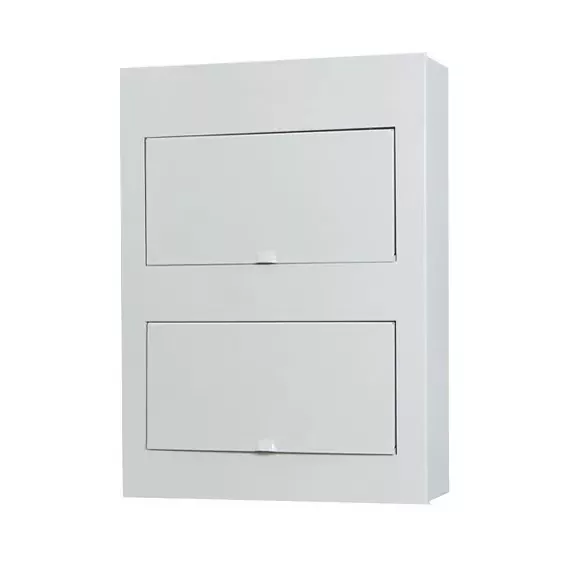
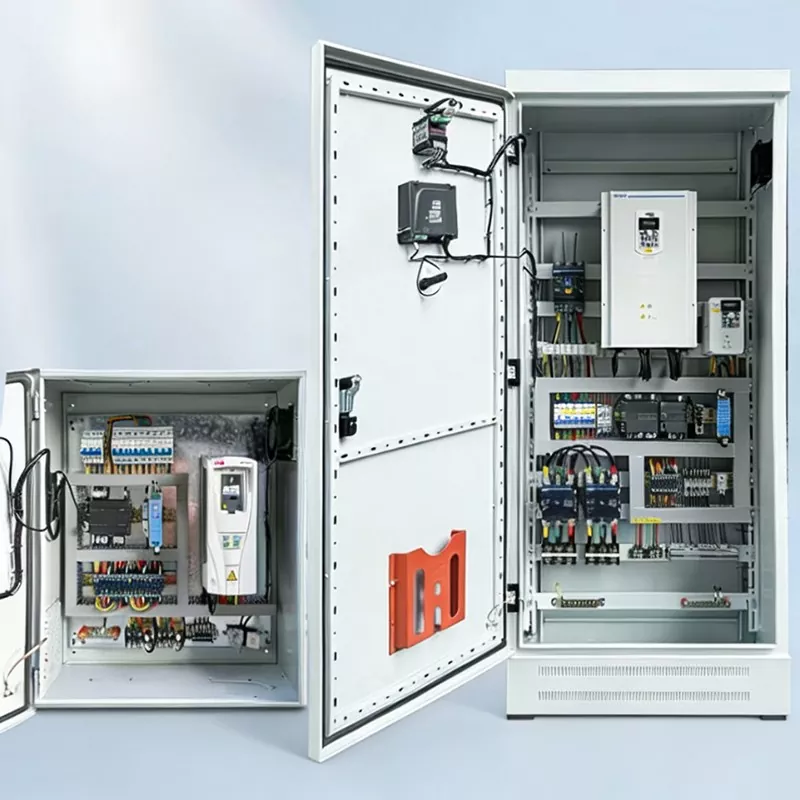
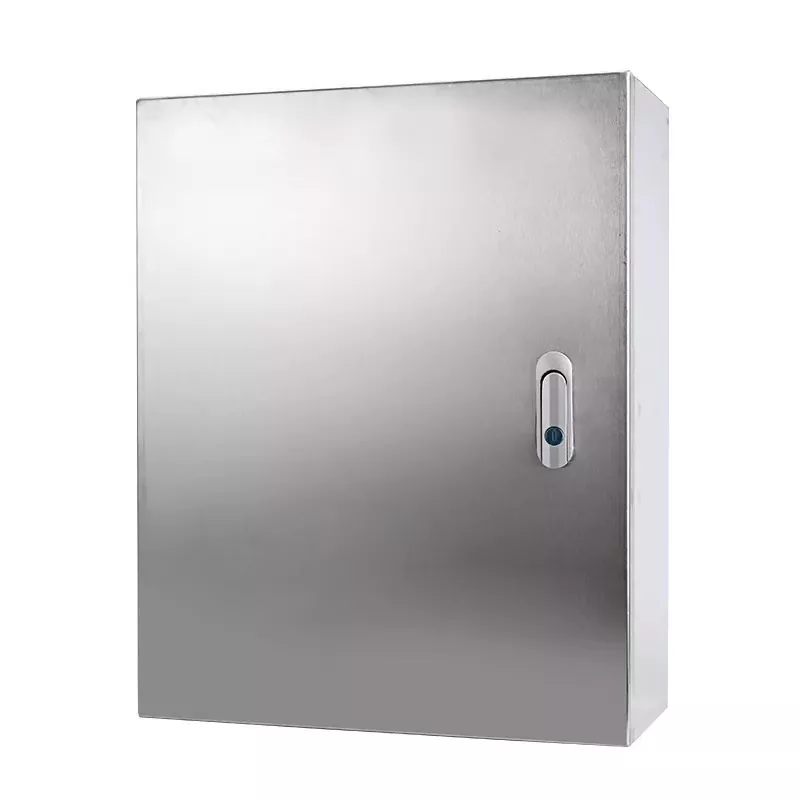
A PZ30 Distribution Box is a low-voltage electrical enclosure designed to accommodate modular electrical devices and organize branch circuits within a building's power distribution system. Its internal arrangement typically uses mounting rails to support compatible miniature circuit breakers and other modular protective devices, depending on the selected configuration.
Rather than allowing individual circuits to remain scattered throughout an installation, the enclosure brings essential distribution components together in an accessible location. This makes it easier for qualified electricians to identify circuits, perform inspections, and carry out maintenance.
Junray describes its PZ30 series as a solution for low-voltage terminal distribution systems, with applications in residences, office buildings, shops, and factories. The enclosure uses cold-rolled steel plate and a modular rail design, combining a structured internal layout with a compact external form.
For project buyers, it is important to distinguish the enclosure from the complete electrical protection system. The enclosure houses the selected devices, but overall protection depends on the correct specification, installation, coordination, and testing of the electrical components and wiring.
A distribution box receives electrical power from an upstream supply and organizes its distribution into separate outgoing circuits. Protective devices installed inside the enclosure help manage electrical faults according to their individual functions and ratings.
A typical installation follows this sequence:
The actual arrangement depends on the supply system, connected loads, applicable electrical codes, and the project's protection requirements. A qualified electrical professional should verify the complete design before energization.
The modular mounting arrangement supports the installation of compatible electrical components in an organized layout. It can simplify component positioning and replacement while helping contractors create a more systematic distribution assembly.
A compact enclosure can be useful in apartments, offices, small shops, and other buildings where wall space is limited. Correct sizing remains essential: the enclosure must accommodate the required devices, conductor routing, bending space, and safe access without overcrowding.
Depending on the selected model, PZ30 distribution boxes are available for surface-mounted or concealed installation. Surface-mounted designs can suit renovation projects where cutting into existing walls is undesirable. Concealed designs can provide a more integrated appearance in new construction and planned interior fit-outs.
Junray identifies cold-rolled steel plate as the enclosure material. The final durability of the assembly depends on material thickness, surface treatment, manufacturing quality, environmental conditions, and correct installation. Buyers should confirm the exact enclosure construction and finish for their intended application.
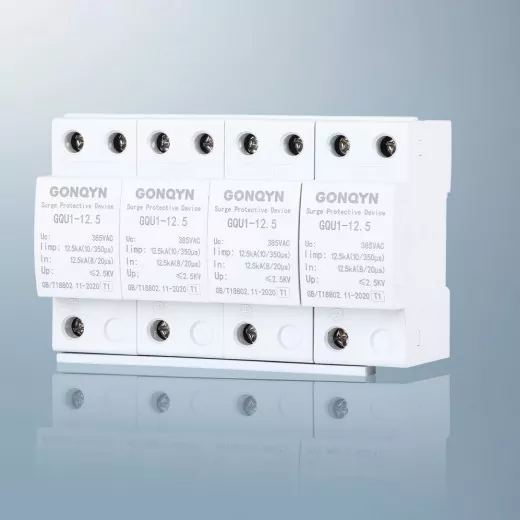
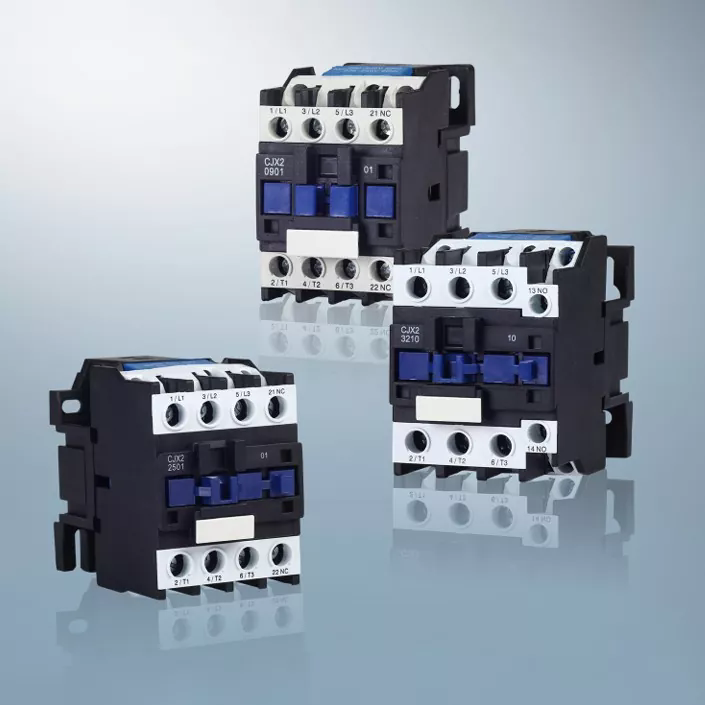
The enclosure can accommodate suitable protective components selected for the system. Depending on the design, these may include:
These advantages make a properly specified distribution box a useful part of a well-designed low-voltage electrical installation.
The versatility of a PZ30 Distribution Box makes it suitable for various indoor terminal distribution applications when its ratings and construction match the project requirements.
For locations exposed to moisture, corrosive substances, excessive dust, impact, or outdoor weather, buyers should verify the required enclosure protection and environmental suitability. A standard indoor model should not automatically be assumed suitable for harsh conditions.
Before purchasing a PZ30 Distribution Box, buyers should review the rated electrical parameters, circuit capacity, mounting method, enclosure material, and required protective devices. The following table summarizes the product information available from Junray and the key items that should be confirmed for each order.
| Parameter | Available Information or Selection Guidance |
|---|---|
| Product type | Low-voltage terminal distribution box |
| Primary application | Indoor residential, commercial, and suitable industrial distribution |
| Enclosure material | Cold-rolled steel plate, as described by Junray |
| Internal mounting | Modular rail design for compatible electrical components |
| Installation method | Surface-mounted or concealed-mounted, depending on the model |
| Circuit capacity | Multiple configurations; confirm the available ways for the required model |
| Protection functions | Depend on the selected circuit breakers and other installed protective devices |
| Rated voltage and current | Confirm the exact model rating and complete assembly design with the supplier |
| Ingress protection rating | Verify the rating of the specific model against the installation environment |
| Accessories and customization | Confirm included components, finish, labeling, and project-specific requirements |
Important: The values for rated voltage, current, ingress protection, and circuit capacity should be verified against the exact product specification and applicable local requirements. Do not assume that every model in the series shares identical ratings.
For further product information, visit the Junray PZ30 Distribution Box product page or explore the company's low-voltage distribution box solutions.
Selecting the right enclosure requires more than matching a product name. The box must fit the circuit design, installation environment, and maintenance needs of the project.
Prepare a circuit schedule before selecting the enclosure. Count the planned outgoing circuits and consider whether additional capacity may be needed for future equipment or building modifications. Avoid choosing an enclosure that leaves insufficient room for safe wiring and component arrangement.
Evaluate the construction stage and available wall space. Surface mounting can simplify installation during renovations, while concealed mounting may suit new buildings with planned wall recesses. Confirm the required dimensions and installation depth before ordering.
Check the supply voltage, expected load current, short-circuit conditions, conductor sizes, and protective-device ratings. Circuit protection must be coordinated with the wiring and connected equipment rather than selected solely according to the enclosure's physical capacity.
Identify whether the installation area is dry, humid, dusty, corrosive, or exposed to mechanical damage. Confirm that the enclosure's protection rating, materials, and finish are appropriate for the actual site.
Before placing an order, request the relevant drawings, dimensions, technical specifications, component lists, applicable conformity documentation, and inspection information. For projects with local certification or tender requirements, confirm compliance before procurement.
A practical purchasing checklist includes:
Correct installation is essential to the performance of any electrical distribution assembly. Work should be carried out by qualified personnel in accordance with the applicable electrical codes, manufacturer instructions, and site safety procedures.
Establish an inspection schedule based on the installation conditions, equipment instructions, and applicable regulations. Qualified personnel should check for visible damage, signs of overheating, loose connections, corrosion, contamination, and changes to the connected loads. Protective devices should be tested in accordance with their manufacturers' instructions and the relevant safety requirements.
Before opening or servicing the enclosure, isolate the supply, apply appropriate lockout procedures, and verify the absence of voltage. Never remove covers or work on energized equipment unless the task is specifically authorized and controlled under appropriate electrical safety procedures.
Its main purpose is to organize low-voltage terminal power distribution by housing modular electrical components that serve and protect individual branch circuits. The specific protection functions depend on the devices installed inside the enclosure.
Yes. It can be suitable for residential applications such as lighting and socket circuits when the selected model, electrical ratings, protective devices, and installation method comply with local requirements.
A surface-mounted model is fixed onto the wall, making it useful for many renovation projects. A concealed-mounted model is installed within a suitable wall recess for a more integrated appearance. The choice depends on the building structure, installation space, and project design.
Circuit capacity varies by model and configuration. Buyers should confirm the available number of ways with Junray and ensure that the selected enclosure has enough space for the required devices, conductors, and any planned expansion.
The enclosure provides a location for installing protective devices; it does not independently provide every protection function. Appropriate circuit breakers and other required devices must be selected, installed, and coordinated correctly for the electrical system.
Confirm the circuit capacity, dimensions, mounting method, rated electrical parameters, enclosure protection rating, material and finish, included components, applicable documentation, and delivery requirements. Providing a circuit schedule and project environment details can help the supplier recommend a suitable configuration.
A well-selected PZ30 Distribution Box helps create an organized, accessible, and maintainable low-voltage distribution system. Its practical value depends on matching the enclosure configuration to the circuit schedule, choosing suitable protective devices, and ensuring professional installation and regular inspection. For residential developments, commercial fit-outs, and suitable indoor industrial projects, confirming the technical details before purchasing can reduce installation difficulties and improve long-term serviceability.
Junray provides low-voltage electrical distribution equipment for a range of terminal distribution applications. If you are sourcing a PZ30 Distribution Box for an upcoming project, contact us to discuss your required circuit capacity, mounting configuration, technical specifications, and procurement schedule. Share your project requirements to obtain product information and a quotation tailored to your application.