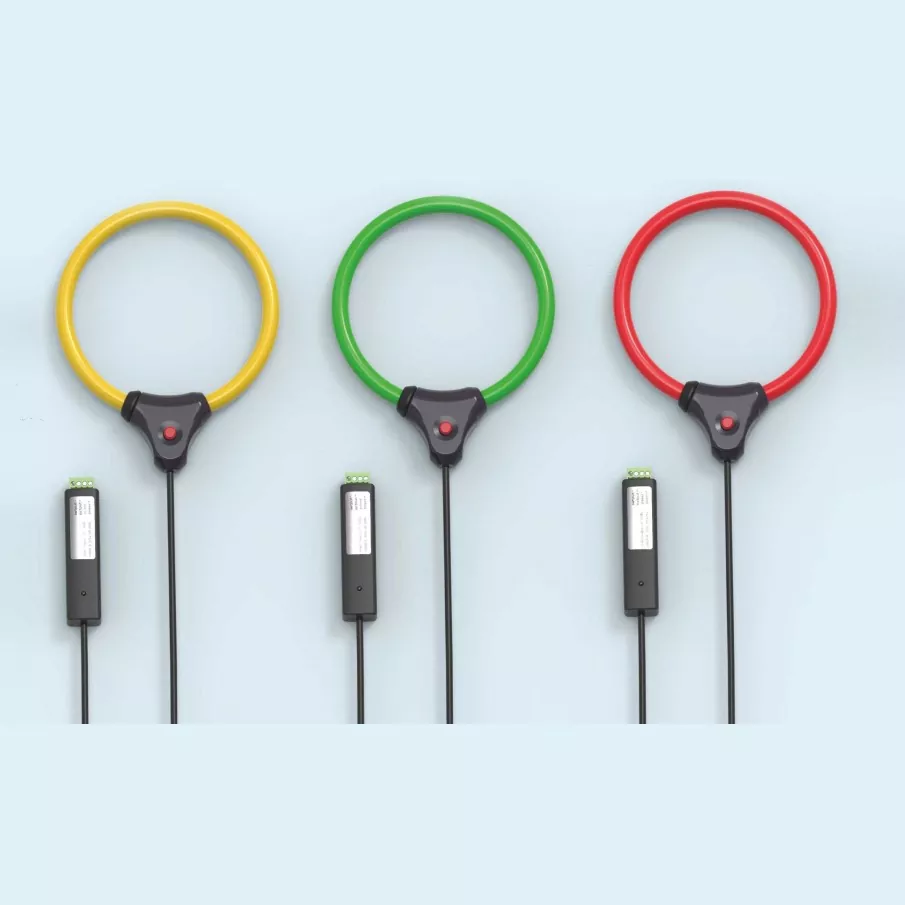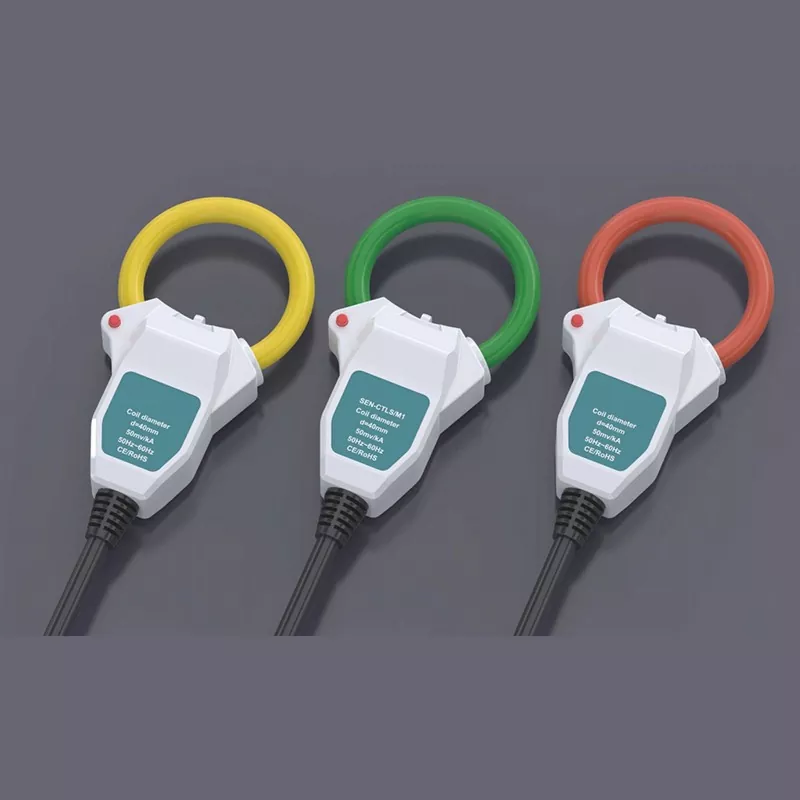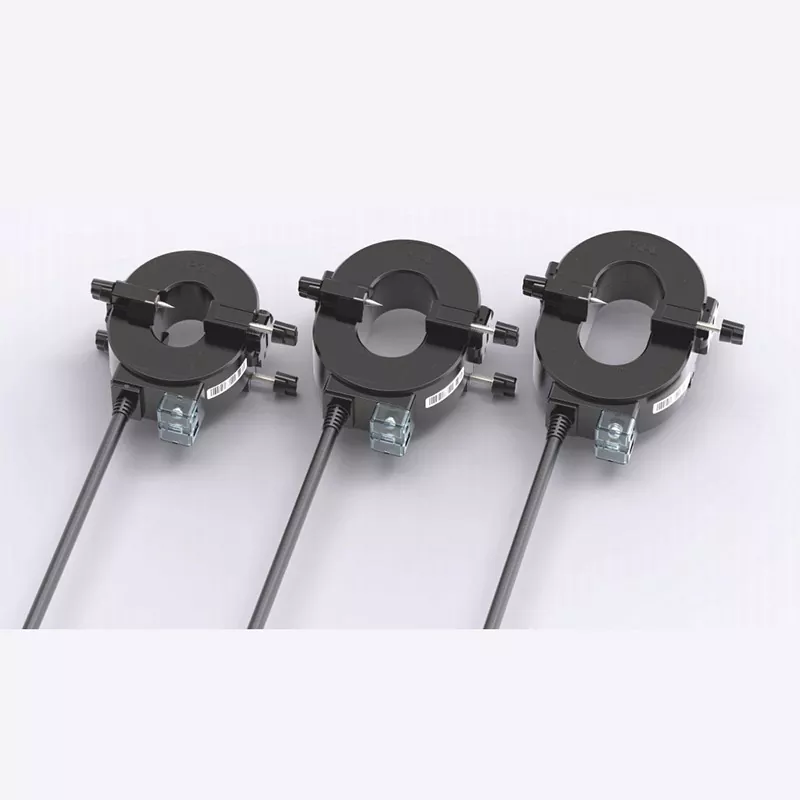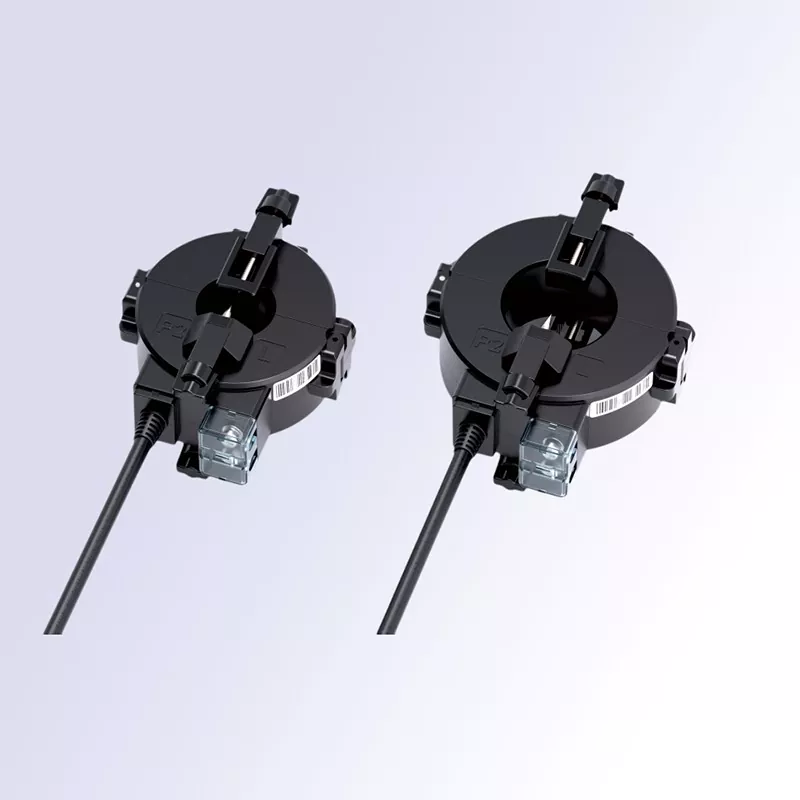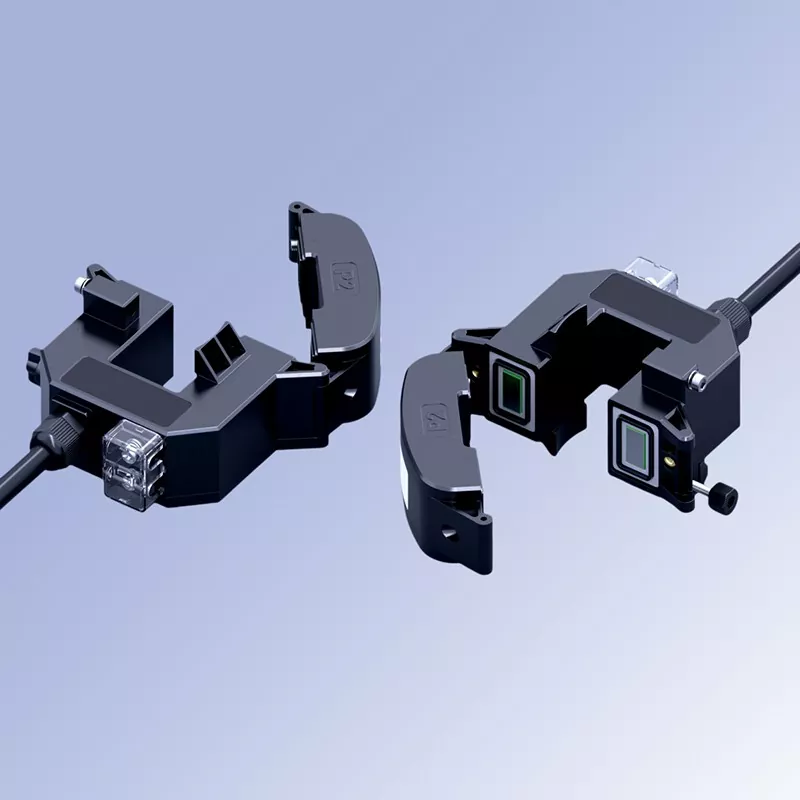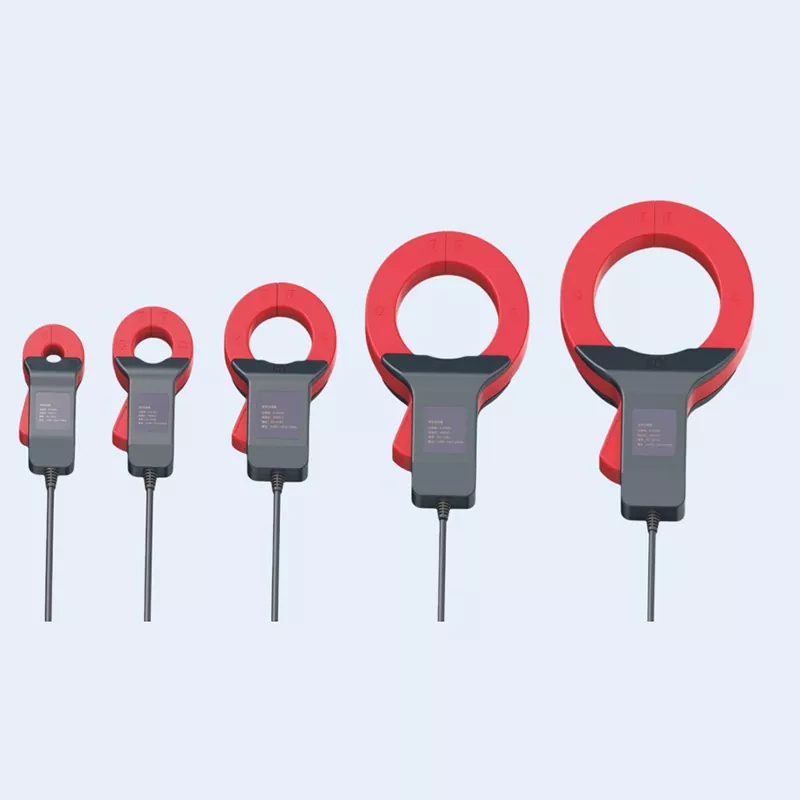

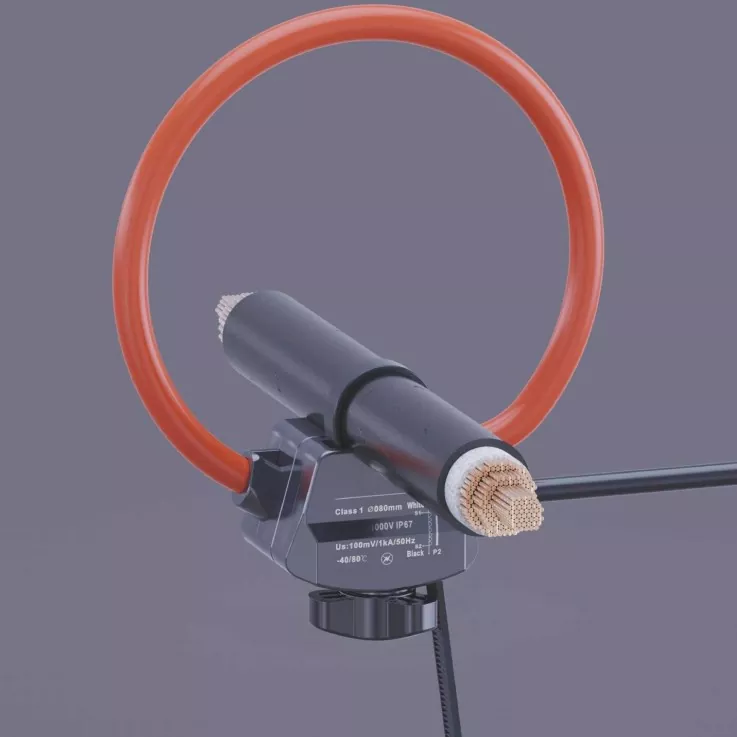
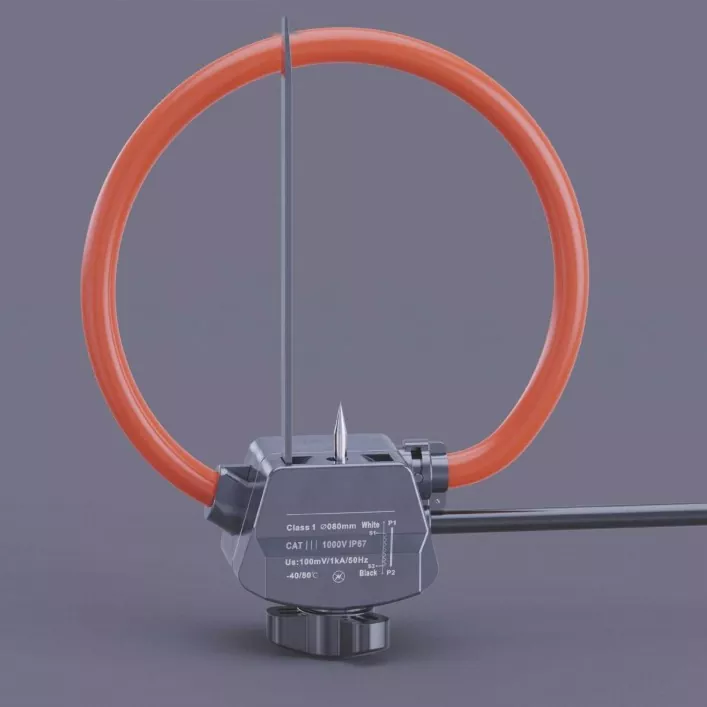
The unit achieves an IP67 dustproof and waterproof rating and supports operation across a wide temperature range of -40°C to +80°C. Featuring a snap-lock split-core design, it allows for compliant live installation by certified electricians in low-voltage scenarios—without cutting cables or requiring power outages. Cable-type piercing current transformer effectively solves the pain points of difficult power sourcing and high wiring costs associated with outdoor overhead lines, photovoltaic plants, charging stations, and municipal streetlights, offering a cost-effective solution for distributed current monitoring, energy consumption statistics, and load monitoring.
Piercing Self-Powering (No External Power Required): Integrates an insulation-piercing power extraction structure to derive operating power directly from the target power cable. It eliminates the need for extra power lines or external adapters, significantly reducing wiring and installation costs for dispersed outdoor locations—making it ideal for field monitoring sites lacking existing power infrastructure.
Split-Core Flexible Coil (Rapid Installation Without Power Interruption): Utilizes a snap-lock split-core Rogowski coil design that requires no busbar disassembly or cable cutting, allowing for single-person on-site installation. In low-voltage live-working scenarios, it can be installed without interrupting the power supply, shortening construction timelines and avoiding losses associated with downtime or power outages.
IP67 Fully Sealed Protection (Wide-Temperature Weather Resistance): The housing, piercing components, and cable outlets undergo professional waterproof sealing, achieving an IP67 rating for dust and water resistance against rain, condensation, and dust ingress. With an operating temperature range of -40°C to +80°C, it is suitable for harsh outdoor environments, including the freezing cold of the north, the high heat and humidity of the south, and coastal areas with salt spray. Insulation-piercing seal design: No cable damage or electrical leakage. The piercing electrodes are made of rust-resistant tinned copper; the tips precisely pierce the insulation layer without damaging the conductor core. A waterproof sealing gasket at the piercing point automatically compresses and seals upon installation, preventing insulation degradation and leakage risks caused by rainwater ingress.
Outdoor overhead distribution lines: Load monitoring and fault early warning for urban and rural overhead cables; monitoring scenarios with dispersed locations and no existing power supply.
Distributed PV systems: Current monitoring for PV strings, outdoor combiner boxes, and string inverters; retrofitting for distributed PV on mountainous terrain or rooftops.
New energy charging piles: Current metering on the input side and charging load monitoring for outdoor charging piles; scenarios involving open-air stations without additional power supply wiring.
Municipal street lighting distribution: Current monitoring and energy consumption statistics for street light and landscape lighting circuits; retrofitting of pole-mounted outdoor equipment.
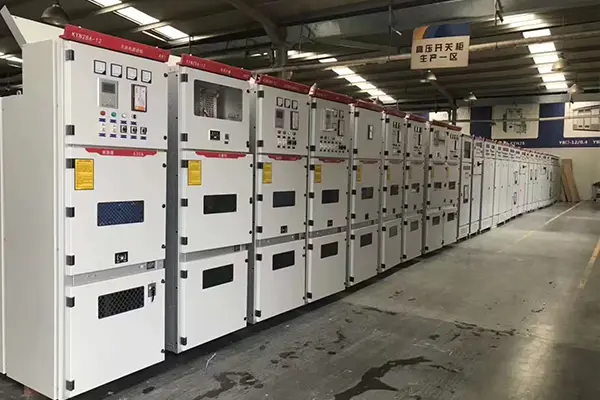
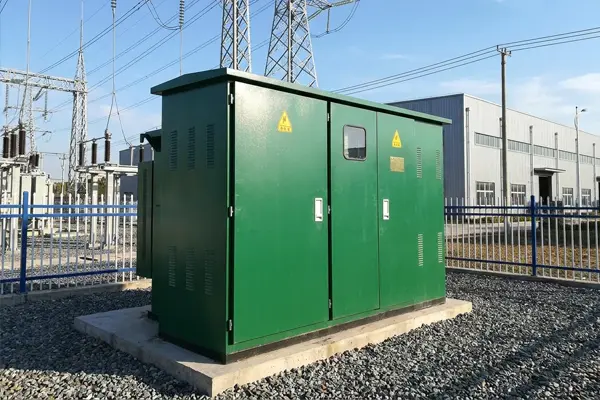
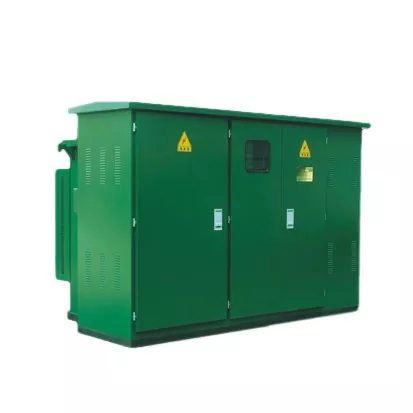
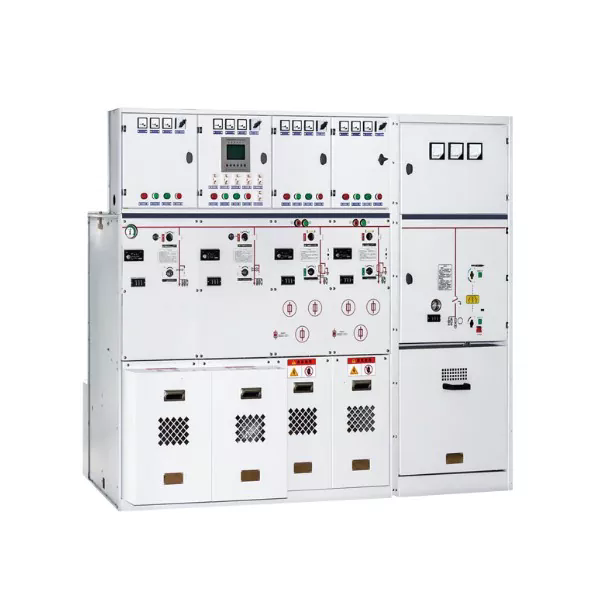
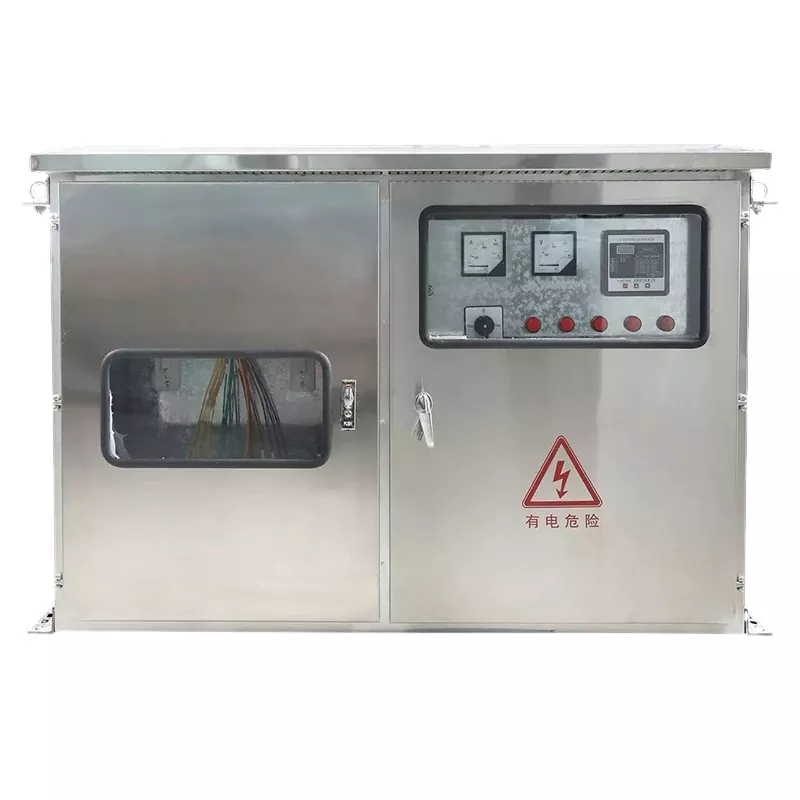
Outdoor ring main units (RMU) / box-type substations: Branch circuit current monitoring for outdoor distribution equipment; retrofitting existing units without power outages or rewiring.
Temporary field power supply: Current monitoring for temporary construction site power or emergency generators; scenarios lacking fixed power supply infrastructure.
Underground utility tunnel distribution: Monitoring of distribution circuits in humid, enclosed tunnels; high protection rating suitable for harsh environments.
Safety Qualification Verification
Installation must be performed by a certified electrician in strict compliance with local electrical safety regulations. For high-voltage lines, procedures for power disconnection, voltage verification, and grounding must be followed. For live low-voltage work, full insulation protection is required, and a safety monitor must be present if working alone.
Installation Point Selection
Select a location where the cable is straight, the insulation layer is intact, and there are no joints or damage; avoid cable bends, splices, or areas with external abrasions. Confirm that the cable's outer diameter is compatible with the device's piercing mechanism and coil size.
Opening the Device
Press the housing latch to separate the two ends of the flexible coil while simultaneously releasing the locking mechanism of the piercing electrodes, preparing to clamp the device onto the target cable. Cable Insertion and Piercing Connection
Place the cable to be measured at the center of the coil, aligning it with the piercing electrode points. Apply even pressure to close and lock the mechanism, ensuring the piercing electrodes smoothly penetrate the cable insulation to establish reliable contact with the internal conductor. Confirm that the latch is fully secured and there is no looseness.
Sealing and Securing
Check the sealing gasket at the piercing point to ensure it is fully compressed, with no curled edges or gaps. Adjust the coil body to ensure there is no twisting or overlapping, and that it fits snugly against the cable. If necessary, use insulating cable ties to further secure the device and prevent movement or shifting.
Wiring and Functional Verification
Connect the output cable to the data acquisition terminal or the matching integrator. After powering on, verify that the signal output is normal, the current reading matches the actual load, and there are no abnormal alarms or fluctuations.
Q: Will the piercing connection damage the cable insulation and cause current leakage?
A: No. The product comes with a specialized waterproof sealing gasket; after installation, the gasket tightly compresses against the cable jacket, sealing out external moisture. The piercing electrodes and housing feature a dual-insulation design, ensuring no leakage or insulation degradation occurs with proper installation, complying with outdoor power distribution safety standards.
Q: Does this cable-type piercing current transformer require an external power supply?
A: No. It features an integrated self-powering module that draws operating power directly from the measured power cable, eliminating the need for additional power supply wiring—making it ideal for monitoring retrofits at dispersed outdoor locations.
Q: Is a power outage required for installation?
A: For low-voltage applications (1000V and below), installation can be performed on live lines by certified electricians using proper insulation protection; for high-voltage lines, strict power-off procedures must be followed. The split-core coil and piercing structure eliminate the need to cut the cable, significantly reducing downtime during installation.
Q: What is the warranty policy?
A: The product comes with a one-year warranty covering the entire unit under normal installation and usage conditions (excluding man-made damage). Warranty extensions can be negotiated for bulk projects, and lifetime technical support and repair services are provided.
Project Name: Online Monitoring Retrofit for Collection Lines at a 100MW Mountainous PV Power Plant (Shapotou District, Zhongwei City, Ningxia)
Project Location: PV Industrial Park, Shapotou District, Zhongwei City, Ningxia Hui Autonomous Region
Retrofit Completion Date: April 2025
Product Used: φ80mm Flexible Rogowski Coil with Insulation-Piercing Power Supply (IP67, Wide-Temperature Range)
This mountainous PV power plant has a total installed capacity of 100MW, featuring eight 35kV box-type step-up substations and 36 PV sub-array collection circuits; it was officially connected to the grid and put into operation in 2019. Situated on the edge of the Tengger Desert, the plant faces harsh environmental conditions: extreme summer temperatures reach 42°C, while winter lows drop to -28°C. The site experiences strong winds, blowing sand, and intense UV radiation year-round. Additionally, the sub-array locations are scattered across undulating terrain, making operations, maintenance, and inspections difficult and covering a wide radius.
The original power distribution system only included master metering devices on the high-voltage side of the box-type substations, with no current monitoring on the low-voltage collection lines. Consequently, branch faults and string mismatch anomalies could not be quickly located. Furthermore, traditional current transformer retrofit solutions required power outages, cable disconnection, and the routing of power supply cables across large areas, resulting in high construction costs and significant power generation losses. Ultimately, the plant selected flexible Rogowski coils with insulation-piercing power supply technology as the core current-sensing components, enabling the deployment of monitoring across all branches with zero power outages.
Significant losses from outage-based retrofitting directly impacted power generation revenue. The collection lines utilized large-cross-section armored power cables; installing traditional rigid, window-type current transformers would have required cutting the cables and shutting down power. A single circuit outage of eight hours resulted in a loss of approximately 12,000 kWh of generation, with estimated total losses exceeding 400,000 kWh for the entire plant. Additionally, the process involved complex grid outage approval procedures, leading to a lengthy project implementation cycle. Scattered Mountainous Sites and High Cabling Costs: Thirty-six monitoring points are distributed across a 12-square-kilometer mountainous area characterized by significant distances between sites and rugged terrain. Installing 220V power cables for each point would incur costs exceeding 300,000 RMB for materials and installation. Furthermore, outdoor cables exposed to intense UV radiation age rapidly and suffer high failure rates, making subsequent maintenance and replacement difficult and expensive.
Harsh Environmental Conditions and Insufficient Weather Resistance in Standard Equipment: The local diurnal temperature variation often exceeds 30°C; the combination of freezing winters, scorching summers, strong winds, and intense UV radiation causes standard plastic-cased current transformers to suffer from casing cracks, seal failures (leading to water ingress), and measurement drift. Their short service lives and the need for frequent replacement make them unsuitable for the long-term operational demands of photovoltaic (PV) plants in northwestern desert regions.
Heavy, Bulky Cables and Cramped Layouts Limit Rigid Transformer Installation: Collection lines consist of large-cross-section, multi-core cables with large bending radii. Cramped routing within cable trays leaves insufficient space to operate rigid, split-core transformers. Additionally, for circuits with irregular layouts at mountainous turns, installing standard rigid transformers around the cables is physically impossible, causing the retrofit project to stall.
To meet the core requirements for mountainous PV plants—specifically zero downtime, no external cabling, extreme weather resilience, and adaptability to complex installation scenarios—the project utilizes φ80mm flexible Rogowski coils with integrated insulation-piercing power harvesting. These are paired with outdoor-grade integrators and 4G wireless data acquisition terminals to enable real-time, comprehensive current monitoring and remote O&M for the collection lines.
Core Solution Design
Insulation-Piercing Self-Powered Technology: The coils feature integrated insulation-piercing electrodes that penetrate the phase wire's insulation to harvest operating power directly. This supplies energy to the integrator circuit and wireless acquisition terminal, completely eliminating the need for external power cables and associated installation work. Flexible, openable structure: The coil body is made of weather-resistant, flexible insulating material that can bend slightly to fit conductors of various shapes. Its snap-lock design eliminates the need to cut cables or disconnect terminals, allowing for live installation on the low-voltage side when following standard safety procedures.
Wide-temperature, high-protection design: The unit achieves an IP67 dustproof and waterproof rating and operates within a temperature range of -40°C to +80°C. Its housing is made of UV-resistant, reinforced engineering plastic, making it suitable for extreme outdoor environments characterized by high heat, freezing cold, strong winds, blowing sand, and intense UV radiation.
Zero-outage installation with no power generation loss: All 36 units were installed while the low-voltage lines remained live. No power outages were requested, and there was no loss in power generation; compared to traditional retrofit methods, this saved approximately 280,000 RMB in potential outage-related losses. Additionally, it bypassed complex multi-level outage approval processes, allowing the project to be completed in just 12 days and significantly boosting implementation efficiency.
Elimination of power supply cabling reduces total costs by 42%: Leveraging self-powered piercing technology, no external power cables were required, saving over 260,000 RMB on materials and mountainous terrain installation alone. Combined with labor cost savings from increased installation efficiency, the overall retrofit cost was 42% lower than that of traditional rigid current transformer solutions, drastically shortening the investment payback period.
Flexible structure adapts to complex scenarios; installation efficiency tripled: The flexible coil easily adapts to diverse installation environments—such as large-diameter cables, compact cable trays, irregular layouts, and bent cables at corners—and can be successfully installed around circuits even in the confined spaces often found in mountainous terrain. A single person can install one unit in an average of just 6 minutes—more than three times faster than rigid current transformers—significantly reducing both safety risks and labor costs associated with high-altitude work in mountainous areas. Wide-temperature tolerance and high protection levels ensure stable operation in extreme environments. The equipment utilizes fully sealed construction and materials resistant to temperature extremes. Since deployment, it has withstood summer heat (41°C exposure), winter freezing temperatures (-26°C), and repeated severe sandstorms and heavy rains. No issues regarding seal failure, accuracy drift, or casing degradation/cracking have occurred, making it perfectly suited for the harsh operating conditions of photovoltaic plants in northwestern deserts.
Compliance with monitoring accuracy standards meets advanced O&M requirements. Featuring Class 1 measurement accuracy and excellent linearity across the full range, the equipment delivers stable, reliable data under both low- and high-current conditions. The aggregated branch data shows a deviation of less than 1.5% compared to the main meter at the box-type transformer, fully satisfying advanced O&M needs such as branch power generation benchmarking, fault localization, and line loss analysis.
Fault localization efficiency improved by 90%; power generation losses reduced. Post-retrofit, current data for each collector line circuit can be monitored in real-time. Faults—such as blown branch fuses, cable anomalies, or string mismatches—can be precisely located within 5 minutes. This represents an efficiency improvement of over 90% compared to the previous manual, string-by-string inspection method, which took 4 to 6 hours. In the six months since deployment, 11 anomalies have been rapidly addressed, reducing power generation losses by approximately 180,000 kWh and generating over 120,000 RMB in direct revenue.
O&M inspection costs reduced by 60%. Previously, O&M personnel had to climb the site weekly to inspect and check each box-type transformer; now, the operating status of the entire line can be monitored remotely via a cloud platform, with on-site verification required only once a month. Inspection frequency and labor costs have dropped by 60%, while traffic safety risks associated with commuting across mountainous terrain have been significantly reduced.
Stable equipment operation with a 100% integrity rate. As of January 2026, all 36 units have operated stably for nine months. Despite enduring extreme temperature fluctuations, sandstorms, and heavy rains, there have been no equipment failures or data anomalies, resulting in a 100% equipment integrity rate. The system requires no periodic calibration or maintenance, ensuring extremely low long-term O&M costs. Supporting energy efficiency optimization and boosting overall power generation revenue: Leveraging granular branch-level current data, the plant optimized string mismatches in three sub-arrays and mitigated line losses in two sections. These measures increased the plant's equivalent utilization hours by approximately 0.8%, with projected annual revenue growth exceeding 400,000 RMB—allowing the retrofit investment to be recouped within six months.
The flexible Rogowski coil with insulation-piercing power supply technology effectively resolves the pain points associated with retrofitting mountainous PV sites and distributed outdoor power plants—specifically challenges regarding power outages, high wiring costs, harsh environments, and installation constraints. It combines the high adaptability of flexible installation, the exceptional convenience of insulation-piercing power extraction, and robust weather resistance (wide temperature tolerance and high protection ratings). Capable of establishing a granular branch-current monitoring system with minimal retrofit costs and rapid installation, it serves as a highly cost-effective, core sensing component for upgrading O&M and enhancing energy efficiency in new energy power plants.
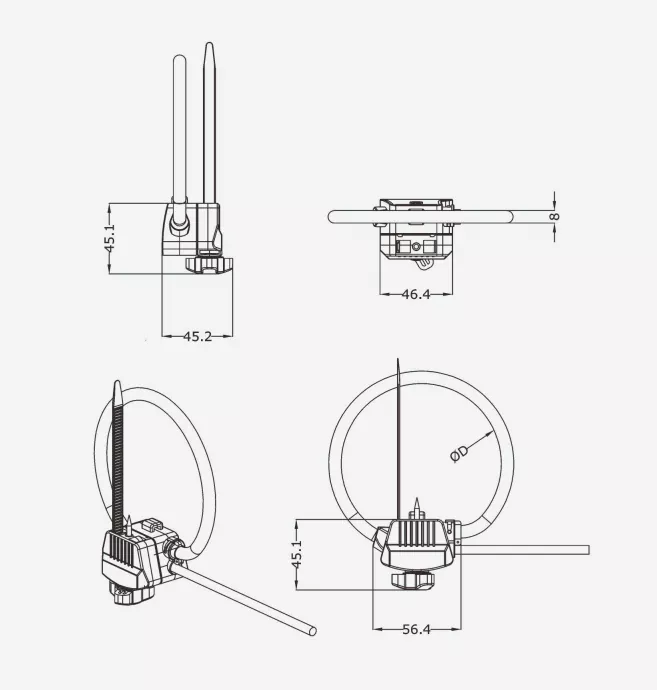
Address
No. 318, Weidian Road, Economic Development Zone, Yueqing City, Zhejiang Province, China
Tel