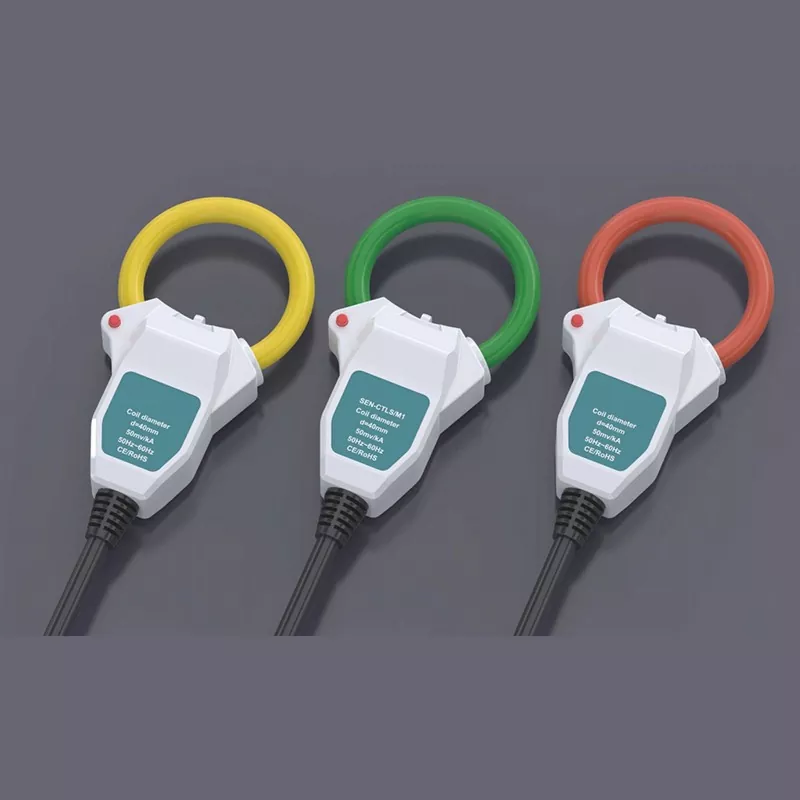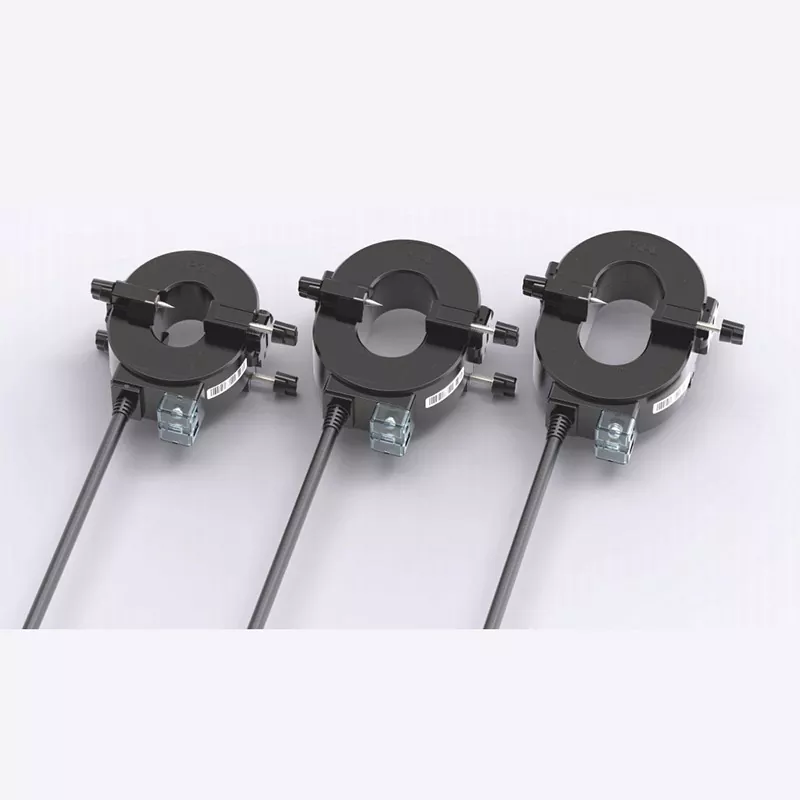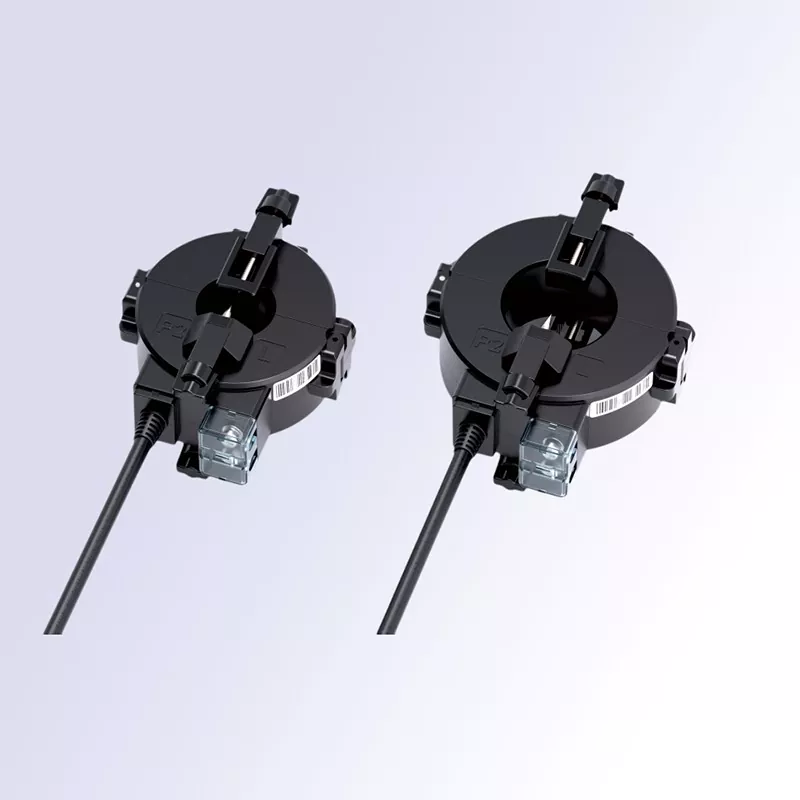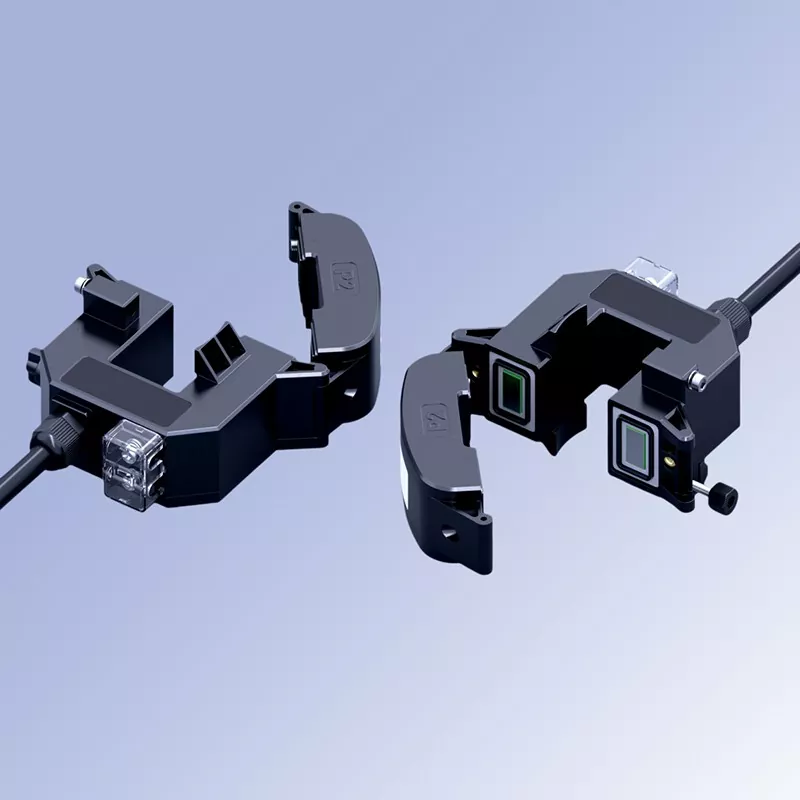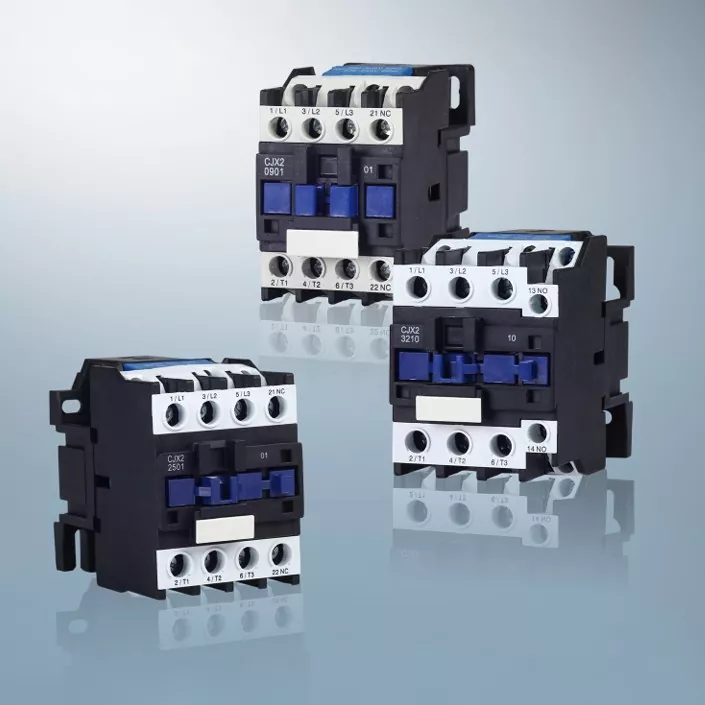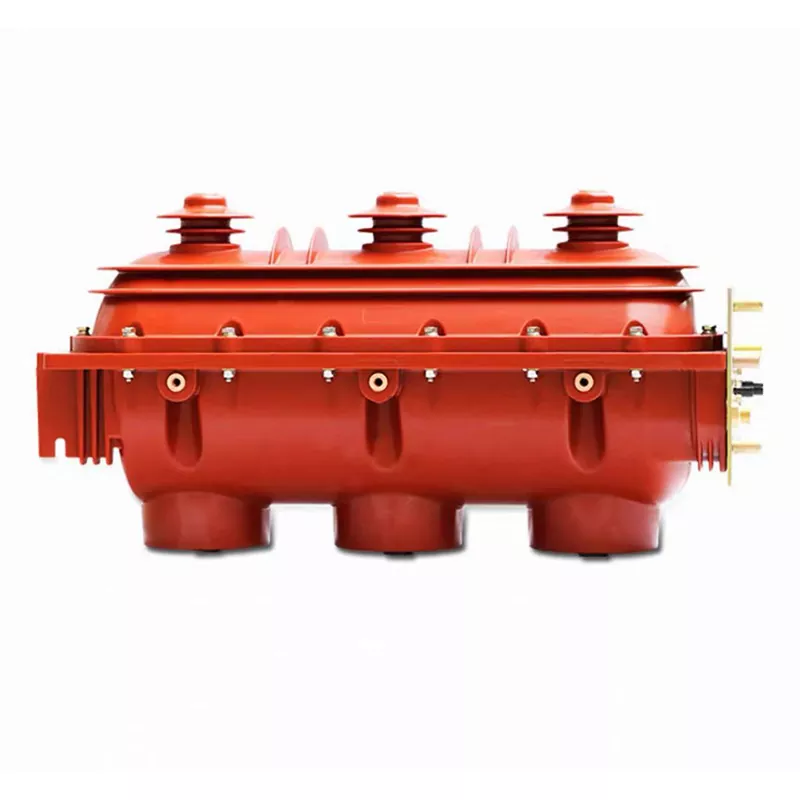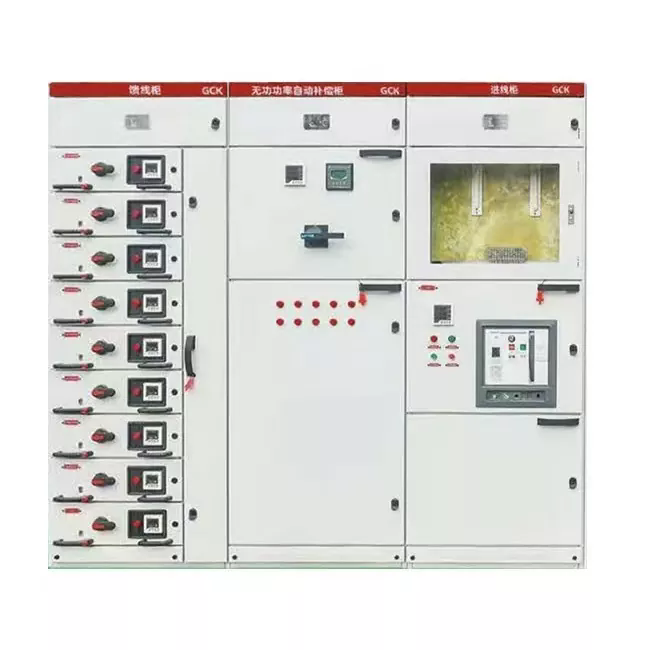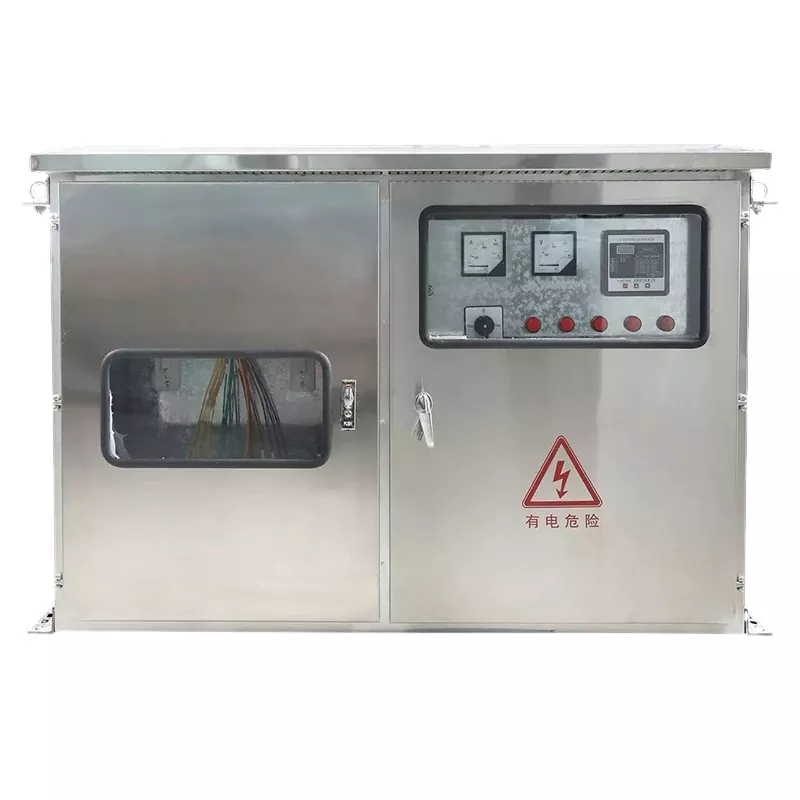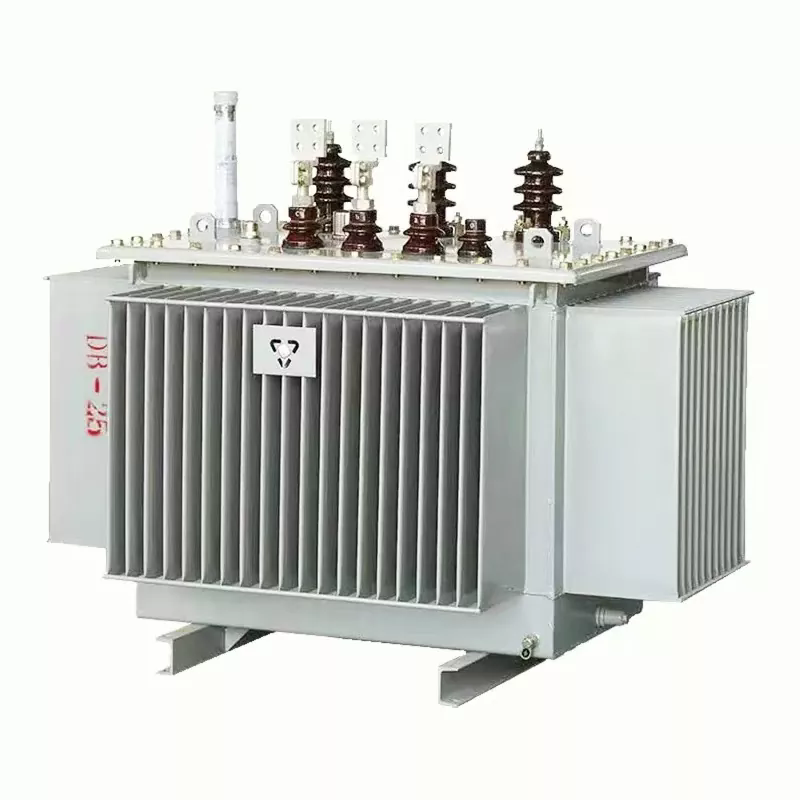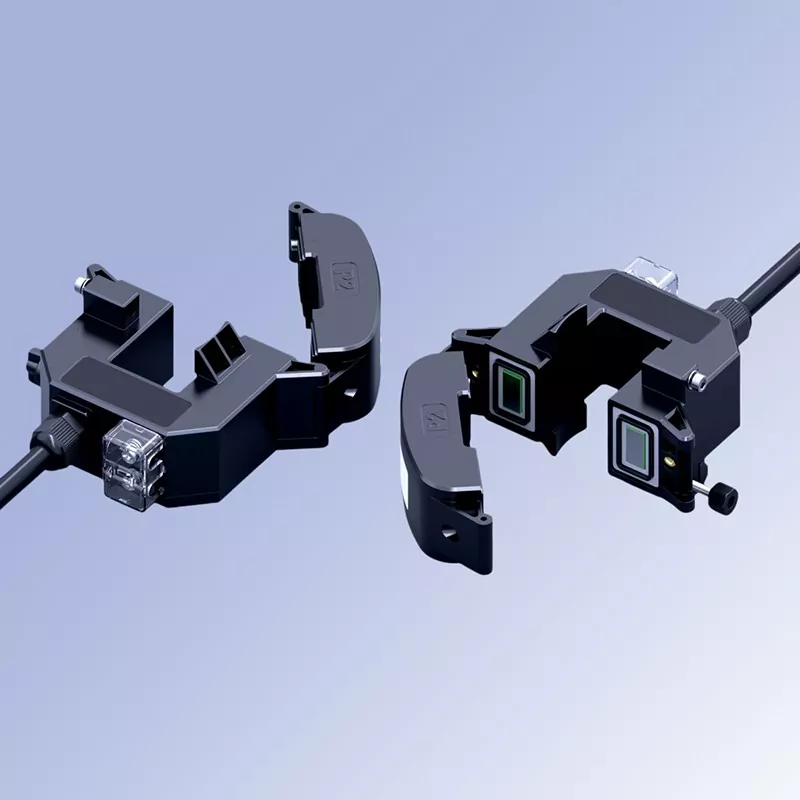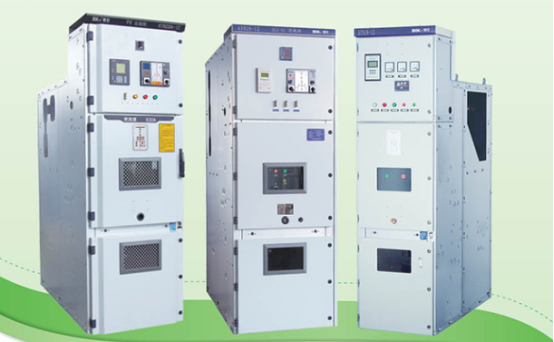

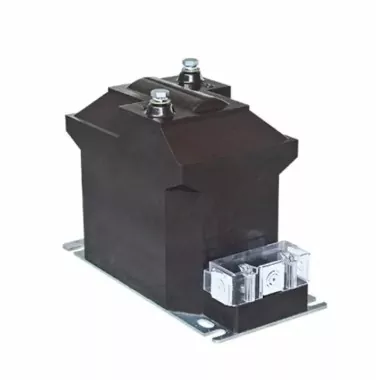
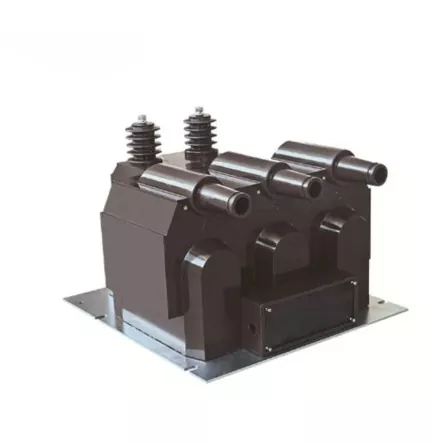
Junray Electrical Voltage Transformer is a high-precision voltage conversion device specifically designed for 10kV and 35kV high-voltage power distribution systems. It accurately steps down primary high voltages to standardized low-voltage signals (100V) for use by metering instruments, protection relays, and monitoring devices, serving as a core sensing component in switchgear, ring main units, and substations. Featuring a dry-type cast resin encapsulated structure with excellent insulation and aging resistance, it supports dual-winding configurations for both metering (Class 0.2) and protection (Class 3P) applications. The three-phase five-limb design, combined with an optional primary ferroresonance suppression device, effectively eliminates resonant overvoltage caused by system ground faults, ensuring stable and accurate voltage sampling. Ideal for high-voltage power distribution, substations, and photovoltaic systems requiring precise voltage measurement, reliable protection triggering, and insulation monitoring.
High-to-Low Voltage Conversion: This measurement and protection system transforms high-voltage levels into standardized low-voltage signals. It serves to accurately measure high-voltage potentials while simultaneously providing input signals to protective devices, making it perfectly suited for high-voltage power distribution applications.
High Precision: Featuring exceptional measurement accuracy, the system precisely gauges high-voltage levels with minimal error. It is ideally suited for environments and applications where stringent requirements for measurement precision are paramount.
High Reliability:Characterized by low failure rates and stable operation, the system is perfectly adapted for high-voltage environments. Users can rest assured that the risk of equipment failure—and the resulting measurement inaccuracies—is effectively eliminated.
|
Rated Voltage |
10KV/35KV |
|
Rated Frequency |
50Hz |
|
Accuracy Class |
0.2/0.5 |
1. High-Precision Measurement: Delivers highly precise measurements with minimal error and exceptional accuracy.
2. Insulation Protection: Features specialized insulation safeguards, providing high-voltage isolation for safe and reliable operation.
3. Sealed Protection: Boasts a fully sealed structural design that is dustproof and waterproof, making Voltage Transformer ideally suited for outdoor environments.
4. Standardized Installation: Designed for standardized installation, allowing for convenient integration into high-voltage switchgear cabinets and ring main units.
High-Voltage Power Distribution: High-voltage power distribution and voltage measurement
Substations: Voltage measurement and protection within substations
High-Voltage PV Systems: High-voltage measurement in photovoltaic systems
Junray Electrical strictly adheres to national standards in the production of its voltage transformers. Each transformer undergoes rigorous testing—including precision, withstand voltage, and insulation tests—to ensure stable and safe operation. We offer customization options for both voltage levels and accuracy classes; based on your specific high-voltage requirements, we can custom-engineer a dedicated High and Low Voltage Components that perfectly meets your high-voltage measurement and protection needs.
I. Project Overview
This project involves hazard remediation and equipment upgrades for a 10kV industrial park switching station, which supplies power to multiple surrounding factories. The station originally utilized aging electromagnetic voltage transformers (PTs). Issues frequently arose on-site, including busbar voltage drift, three-phase voltage imbalance, and "PT disconnection" alarms in the monitoring system. Minor system ground faults repeatedly triggered ferroresonant overvoltage, leading to PT overheating, fuse blowing, and distorted voltage sampling; this resulted in false line protection alarms and inaccurate electricity metering, severely compromising power supply stability and the accuracy of electricity billing.
To fundamentally resolve issues regarding resonant overvoltage, sampling inaccuracies, and secondary circuit hazards, the project involved replacing all units with new, high-precision voltage transformers, optimizing primary harmonic suppression configurations, and standardizing secondary wiring practices. These measures addressed the root causes of voltage anomalies, protection malfunctions, and metering deviations.
II. Issues Prior to Retrofit
Frequent ferroresonant overvoltage: The old PTs featured poor core characteristics and were prone to magnetic saturation; transient system ground faults or load fluctuations easily triggered resonance, generating overvoltages several times the rated value, which caused PT overheating and fuse blowing.
Non-standard secondary circuits posing short-circuit risks: The aging secondary wiring was disorganized and lacked reliable short-circuit protection; loose connections could easily cause secondary-side short circuits, risking winding burnout or equipment explosion.
Voltage sampling distortion and three-phase imbalance: Equipment insulation degradation and accuracy drift caused significant fluctuations in monitored phase and line voltages; inaccurate telemetry data prevented correct assessment of system operating conditions.
Frequent false protection alarms: Abnormal PT sampling triggered frequent "PT disconnection" and "voltage anomaly" alarms, interfering with the normal logic of line backup protection and reclosing functions.
Metering deviations and distorted energy statistics: Excessive voltage sampling errors led to inaccurate metering of active and reactive power for the factories, resulting in disputes over electricity usage reconciliation. III. Equipment Configuration Plan
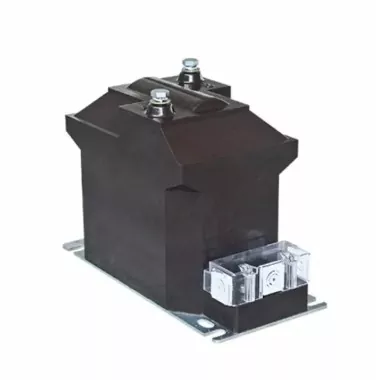
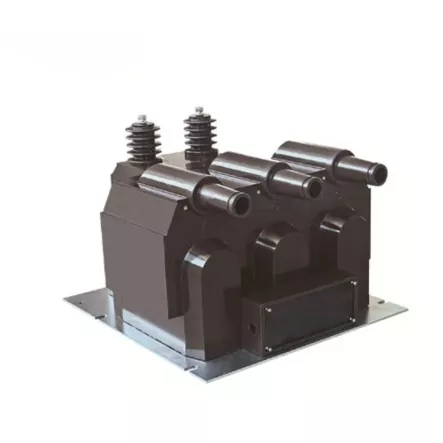
Based on the operating characteristics of the ungrounded 10kV distribution network, the project involves a standardized replacement with JDZJ-10 indoor high-voltage voltage transformers (VTs). These units feature a three-phase, five-limb structure and are equipped with a primary ferroresonance suppression device. They incorporate independent windings for metering, protection, and open-delta zero-sequence voltage monitoring, thereby meeting all functional requirements for monitoring, metering, insulation supervision, and protection triggering.
Core Equipment Specifications
Model: JDZJ-10 dry-type cast-resin insulated voltage transformer
Rated Voltage: 10/√3 / 0.1/√3 / 0.1/3 kV
Accuracy Class: Class 0.2 for metering; Class 3P for protection (balancing precise metering with reliable protection)
Structure: Three-phase, five-limb; fully enclosed epoxy resin casting (moisture-resistant, aging-resistant, and high insulation strength)
Functional Windings: Metering winding, protection winding, and open-delta zero-sequence voltage winding (for insulation monitoring)
Auxiliary Device: Intelligent primary ferroresonance suppressor installed to suppress ferroresonance and prevent overvoltage damage to the VT
Secondary Circuit Specifications: Dedicated miniature circuit breakers (MCBs) installed on secondary circuits; short-circuits strictly prohibited; reliable single-point grounding implemented
Testing Items: Comprehensive post-installation testing, including transformation ratio, polarity, insulation resistance, withstand voltage, secondary voltage injection, and circuit verification
IV. Construction and Application Highlights
Elimination of Ferroresonance Risks: Combines a new low-saturation iron core with an external ferroresonance suppressor to effectively suppress resonance overvoltage caused by transient system grounding or load fluctuations, completely resolving VT overheating and fuse-blowing failures.
Clear Functional Separation of Three Windings: Metering winding ensures accurate electricity billing; protection winding guarantees reliable operation during faults; open-delta winding enables system single-phase grounding insulation monitoring—providing full functional coverage.
Prevention of High-Risk Secondary Short-Circuits: Standardized secondary MCB configuration and wiring practices; strict differentiation between VT and CT secondary requirements (preventing VT short-circuits and CT open-circuits) to eliminate critical electrical hazards.
Superior Insulation and Stable Operation: Dry-type, fully cast structure offers dust and moisture resistance, aging resistance, and low partial discharge, making it ideal for the long-term continuous operation required in switching stations. Intelligent backend for data matching: Features high linearity and minimal error in voltage sampling; telemetry, remote signaling, and insulation monitoring data are uploaded with high precision, enabling intuitive and reliable operational analysis.
V. Operational Results After Retrofit
Complete elimination of resonant overvoltage faults: Following the retrofit, multiple transient disturbances failed to trigger resonance; Potential Transformers (PTs) showed no overheating or fuse blowouts, and equipment operating temperatures remained normal.
Balanced three-phase voltage and precise sampling: Busbar phase voltages and line voltages are stable with no drift; backend telemetry data is accurate and reliable, and metering errors fully comply with State Grid standards.
Correct protection logic with no maloperation: Alarms for PT circuit breaks and voltage anomalies have been completely resolved; operational logic for line protection and automatic bus transfer devices is stable and reliable.
Sensitive and effective insulation monitoring: Zero-sequence voltage sampling via the open-delta winding functions correctly, enabling precise identification of single-phase-to-ground faults and enhancing grid fault analysis capabilities.
Zero equipment hazards and successful acceptance: The entire system passed all tests; secondary wiring workmanship meets specifications; and the project successfully passed the acceptance inspection for power safety standardization.
VI. Case Summary
Voltage Transformers (PTs) are core components in high-voltage distribution systems for voltage sampling, energy metering, insulation monitoring, and relay protection. Unlike Current Transformers (CTs)—where open circuits are strictly prohibited—PTs strictly forbid short circuits. While CTs measure current, PTs measure voltage; PTs also possess unique capabilities for detecting ferroresonance and zero-sequence conditions. This retrofit addressed common issues associated with legacy PTs, such as resonant overvoltage, sampling inaccuracies, and secondary-circuit hazards. It effectively improved distribution network stability, metering accuracy, and fault protection capabilities, serving as a benchmark case for the standardization of 10kV distribution systems.
Address
No. 318, Weidian Road, Economic Development Zone, Yueqing City, Zhejiang Province, China
Tel