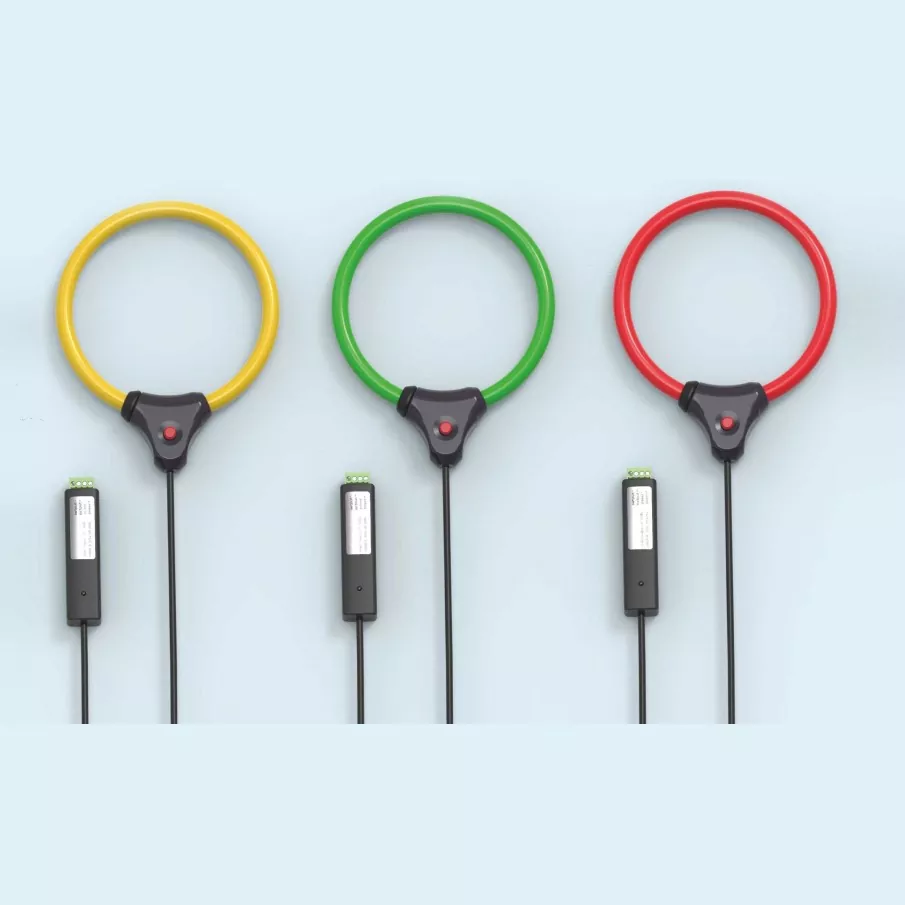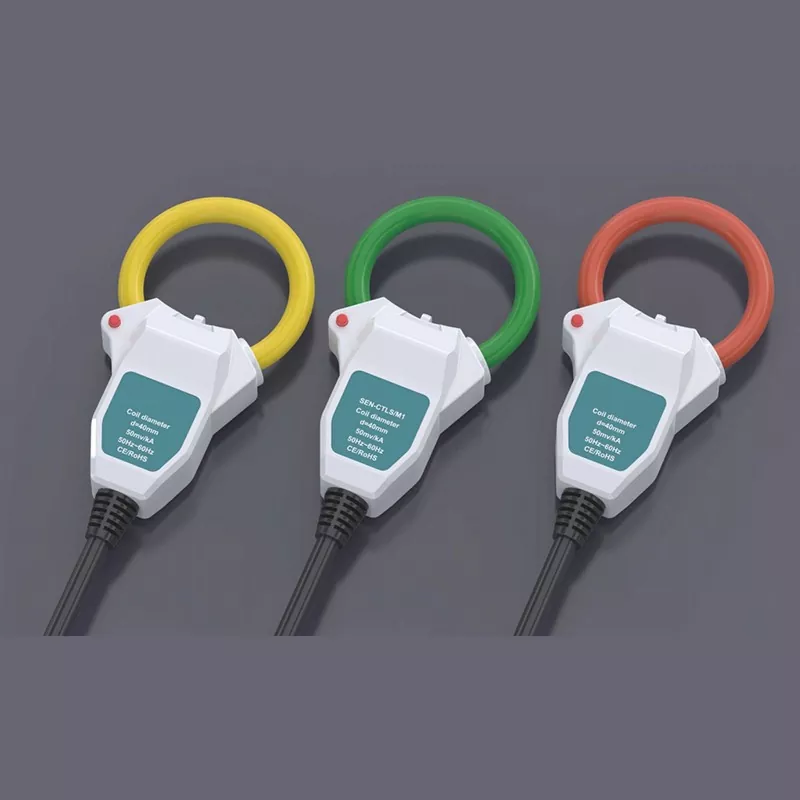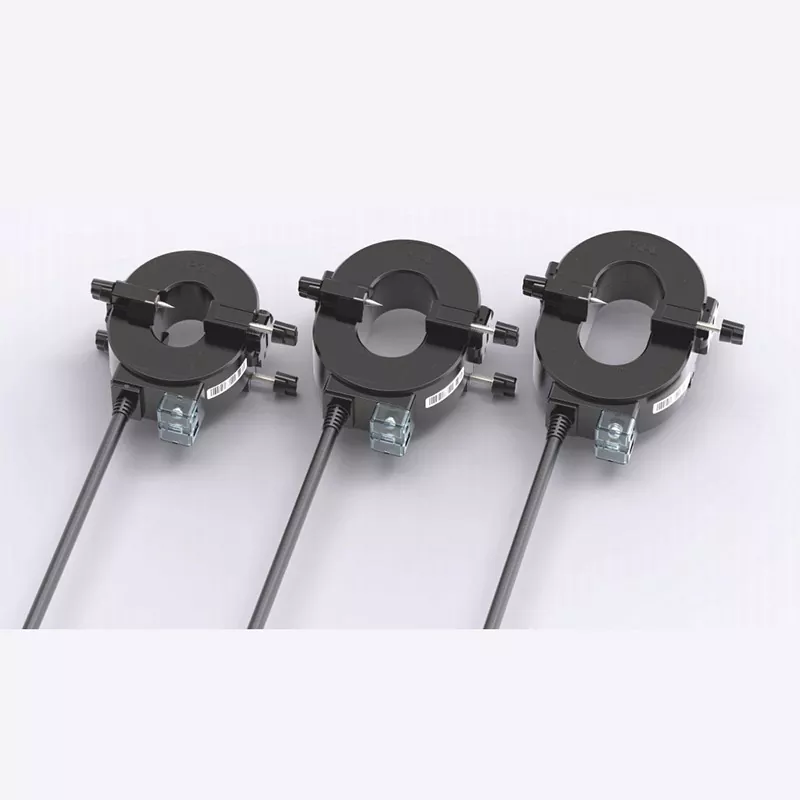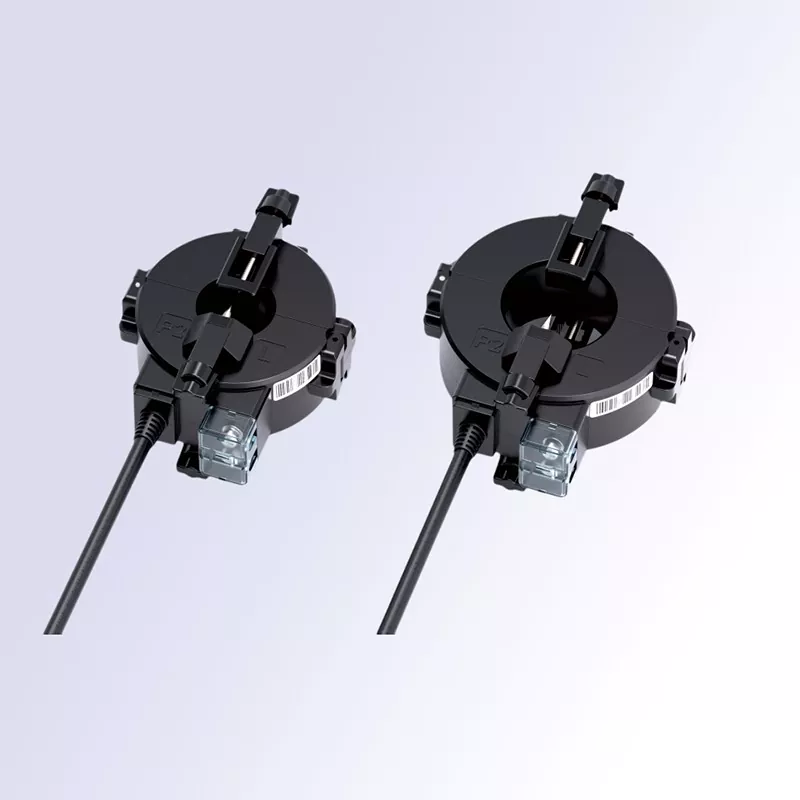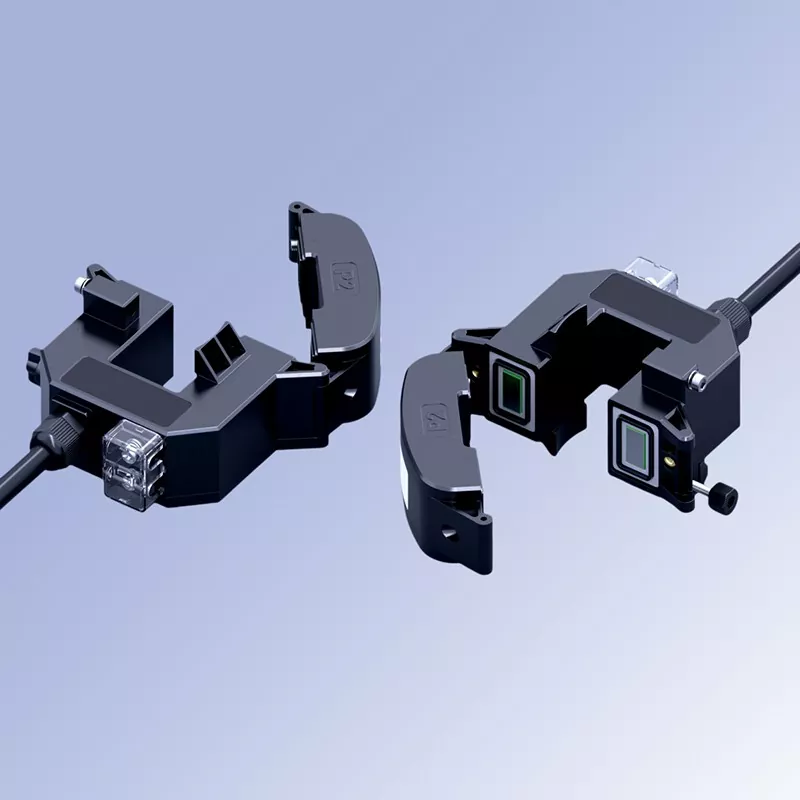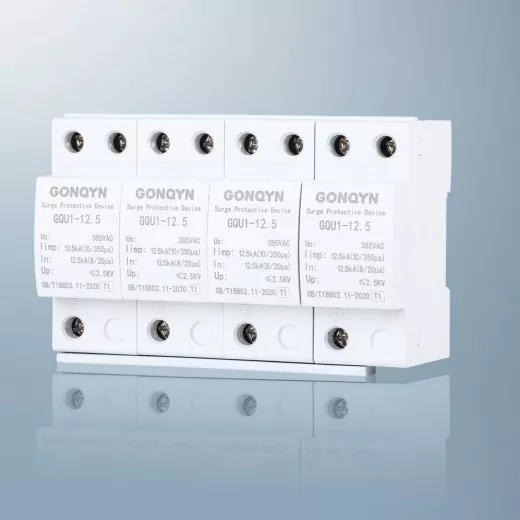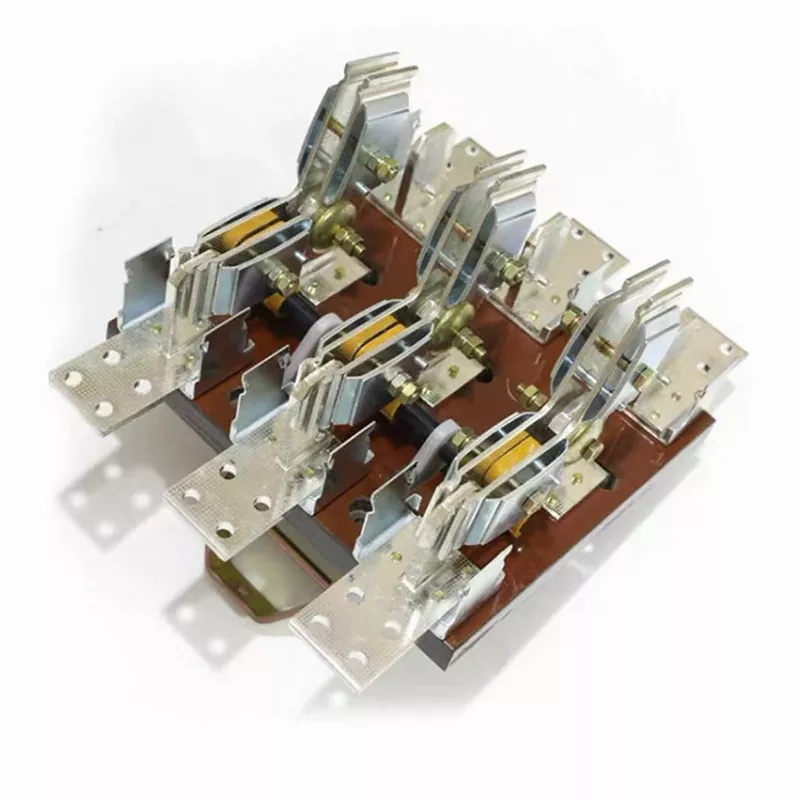

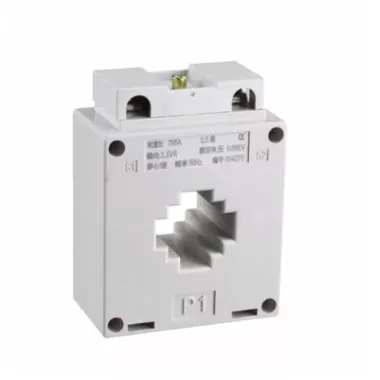
In scenarios such as low-voltage power distribution, distribution boxes, and motor protection, the measurement and signal transmission of low-voltage high currents have always been a core concern for purchasers: Low-voltage high currents cannot be directly connected to meters or protection devices, and forced connection would burn the equipment and cause safety hazards; Ordinary small current meters have limited measurement ranges and simply cannot accurately measure low-voltage high currents, failing to meet the requirements of metering and protection; If high-voltage current transformers are used reluctantly, they are not only large in size and cannot be adapted to low-voltage small distribution boxes, but also will significantly increase procurement costs and lead to resource waste. The Low-Voltage Current Transformer is specifically developed for low-voltage scenarios, taking into account precise measurement, convenient installation, and high cost-effectiveness, completely solving the industry problems of low-voltage high current measurement, and avoiding purchasing pitfalls.
Each advantage of the Low-Voltage Current Transformer precisely matches the core concerns of the purchasers, different from high-voltage transformers and ordinary measurement devices, it is more in line with the actual needs of low-voltage scenarios, making the purchasing process more worry-free and the usage more reassuring:
Low-voltage-specific measurement, dual compatibility for metering protection: Specifically developed for low-voltage scenarios, it can accurately convert high-voltage large currents into standard 5A small currents, which can not only meet the requirements of low-voltage current measurement, but also provide stable signals for meters, measurement devices, and protection devices. It is complementary to high-voltage current transformers and does not waste or duplicate functions, perfectly adapting to various low-voltage distribution scenarios and meeting the core requirements of low-voltage measurement.
High-precision measurement, minimal error and more reliable: The measurement accuracy reaches 0.2/0.5 level, with error control in a very small range, capable of accurately capturing changes in low-voltage currents, perfectly suitable for scenarios with high requirements for measurement accuracy such as electricity meters, motor protection, etc., ensuring fair measurement and timely protection, avoiding electricity loss and equipment failure caused by inaccurate measurement, and meeting the requirements of measurement-related specifications.
A high-performance and cost-effective choice, significantly reducing procurement costs: Compared to high-voltage current transformers, the price is significantly reduced. There is no need to spend a large amount of money on high-voltage equipment. For low-voltage current measurement scenarios, a low-voltage current transformer can meet all requirements, ensuring measurement accuracy and safety, and significantly reducing procurement budgets, improving project cost-effectiveness.
Easy installation and efficient deployment, saving time and manpower: Adopting standardized installation design, it can be directly installed on standardized rails or directly clamped onto busbars. The installation process is simple, no need to modify the structure of the distribution cabinet, no need to spend a lot of time and manpower, quickly complete deployment, adaptable to various low-voltage installation scenarios such as distribution boxes and control cabinets, improving the efficiency of power distribution system setup.
|
Rated Voltage |
0.66KV |
|
Rated Frequency |
50Hz |
|
Accuracy Class |
0.2/0.5 |
|
Rated Current Ratio |
5/5~3000/5Customizable |
Junray Electrical, taking into account the usage characteristics of low-voltage power distribution scenarios, uses professional techniques to ensure the long-term stable operation of Low-Voltage Current Transformer. It addresses purchasing concerns with meticulous details and eliminates quality risks. The high-precision measurement module has small errors and accurate measurements, meeting both measurement and protection requirements, and complies with relevant measurement certification requirements. The miniaturized structural design is extremely compact and occupies minimal space, allowing it to be easily installed in low-voltage small distribution boxes without requiring additional space occupation. Special low-voltage insulation protection ensures reliable insulation performance, effectively preventing low-voltage power usage safety hazards and safeguarding equipment and personnel safety. Standardized installation design is compatible with both rail and busbar installation methods, eliminating the need to modify the cabinet, making installation and later maintenance more convenient.
The Low-Voltage Current Transformer, with its core advantages of precise measurement, convenient installation, and high cost-effectiveness, is widely applicable to various low-voltage current measurement and protection scenarios. Each scenario can be precisely matched to meet the requirements, truly achieving customization and avoiding procurement mismatches. In the low-voltage distribution scenario, it is suitable for various low-voltage distribution systems, precisely measuring low-voltage current to ensure distribution safety; in the distribution box scenario, it is suitable for current measurement and metering within the distribution box, being small in size and not occupying space, suitable for cabinet layout; in the motor protection scenario, it precisely measures the motor current, providing signals for motor protection devices to prevent motor damage due to abnormal current; in the low-voltage photovoltaic scenario, it is suitable for low-voltage current measurement and protection of the photovoltaic system, ensuring the stable operation of low-voltage distribution in the photovoltaic system.
As a professional manufacturer, supplier and factory of High and Low Voltage Components in China, Junray Electrical strictly follows the national standards for low-voltage current transformers (GB/T 22071.1-2018) in its production. Each device undergoes three core tests: accuracy testing, withstand voltage testing, and insulation testing to ensure that every device produced can operate stably and can smoothly pass the project acceptance, eliminating un-certified and false certifications. We support customization of current ratio and accuracy. Based on your requirements for low-voltage current measurement and protection, we can tailor exclusive equipment to suit your needs. Whether it's for low-voltage power distribution, motor protection, or low-voltage photovoltaic scenarios, our equipment can precisely adapt.
I. Project Background
This project involves the quality upgrade of the power distribution system for an older residential complex comprising 15 buildings and two 800kVA distribution transformers. The original low-voltage distribution cabinets utilized outdated current transformers (CTs) characterized by low accuracy, age-related calibration drift, and non-standard secondary wiring. These issues resulted in excessive discrepancies between the master meter and individual household meters, as well as line losses that consistently exceeded the State Grid’s 5% assessment threshold, leading to significant monthly energy losses and distorted statistical data.
To ensure precise metering and standardized sampling, reduce line losses, and meet State Grid requirements for intelligent metering, the project involved replacing all CTs in the low-voltage incoming, outgoing, and master metering circuits with BH-0.66 series high-precision low-voltage current transformers. Uniform transformation ratios and accuracy classes were adopted to ensure metering precision, data reliability, and sampling stability.
II. Pre-Retrofit Issues
Insufficient metering accuracy and excessive line losses: The old CTs had low accuracy classes and high error rates; the accumulation of positive and negative deviations over time resulted in line losses consistently ranging from 8% to 10%, failing to meet State Grid acceptance standards.
Distorted sampling data hindering O&M analysis: Aging and severe magnetic saturation in the CTs led to inaccurate current sampling during light-load and off-peak periods, causing significant fluctuations in monitored current and power data.
Inconsistent transformation ratios and chaotic statistics: The original cabinets contained CTs with mixed transformation ratios and specifications, causing errors in energy statistics and difficulties in data reconciliation.
Non-standard secondary wiring posing safety risks: Loose secondary terminals and aging wiring on the old equipment created risks of high-voltage surges due to secondary circuit open-circuits, as well as overheating and fire hazards.
Incompatibility with smart meter data acquisition: The poor linearity of the old CTs prevented precise sampling by smart remote meters, thereby limiting the upgrade to an intelligent distribution system.
III. Equipment Configuration Plan
Based on the residential complex's load capacity and State Grid metering specifications, BH-0.66 series low-voltage current transformers were adopted for all low-voltage metering, monitoring, and protection circuits. Uniform transformation ratios and accuracy classes were applied across the cabinets to ensure metering consistency and accuracy. Core Equipment Specifications
Model: BH-0.66 Low-voltage window-type (through-core) current transformer
Rated Voltage: 0.66 kV (compatible with 0.4 kV low-voltage distribution systems)
Transformation Ratio: 300/5A, 400/5A (matched to incoming line current)
Accuracy Class: 0.5S (high-precision metering grade)
Structure: Window-type installation; flame-retardant housing; high-permeability silicon steel core
Functions: Energy metering, current monitoring, power statistics, energy consumption analysis, protection sampling
Safety Features: High insulation performance; magnetic saturation resistance; secondary open-circuit protection design; low operating temperature rise
Installation Standards: Neat primary and secondary wiring; single-point grounding for secondary circuits; secure, tight connections
IV. Retrofit Application Highlights
High-precision metering with significant loss reduction: Uses 0.5S class high-precision metering transformers; minimal error at light loads; completely resolves issues of high error and energy loss associated with older CTs.
Magnetic saturation resistance and stable sampling: High-quality core material ensures excellent linearity and precise sampling across both low and high load conditions, with no data drift or erratic fluctuations.
Convenient installation and low retrofit costs: Window-type structure allows for direct installation over existing conductors (copper busbars or cables) without modifying the primary circuit; enables rapid installation and minimizes power outage duration.
Comprehensive safety protection: Flame-retardant housing with high insulation properties; eliminates risks associated with secondary open-circuit high voltage; operates without overheating or material degradation.
Compatible with smart distribution areas: Seamlessly integrates with smart meters, remote terminals, and energy monitoring systems; ensures accurate and stable data transmission, meeting smart grid construction requirements.
V. Post-Retrofit Operational Results
Distribution area line losses significantly improved: Line losses stabilized below 3% post-retrofit, fully complying with State Grid assessment standards and eliminating energy loss.
Precise and reliable metering data: Balanced three-phase current with stable, fluctuation-free data; accurate alignment between master and sub-meters; clear, indisputable reconciliation.
Zero operational hazards: Normal temperature rise with no overheating or loose secondary connections; complete elimination of electrical safety risks. Reliable smart monitoring functionality: Real-time, accurate transmission of remote data—including voltage, current, and power—enables efficient and precise backend analysis and maintenance.
Passed State Grid acceptance inspection on the first attempt: The equipment meets all standards regarding measurement accuracy, installation workmanship, and data stability, successfully clearing the acceptance inspection for distribution area standardization upgrades.
VI. Case Summary
The low-voltage current transformer (BH-0.66) is a core, fundamental component for low-voltage distribution cabinets, power cabinets, distribution area metering, energy consumption monitoring, and smart power distribution systems. Its primary function is to proportionally step down high currents to standard low currents, providing precise signals for metering, monitoring, and protection. It is an indispensable piece of equipment for all power distribution projects, playing a critical role in controlling line losses, ensuring accurate electricity measurement, and meeting grid standardization acceptance requirements.
For low-voltage high-current measurement, choosing the wrong equipment not only wastes costs but also leaves safety hazards and causes project acceptance to be stuck. The Low-Voltage Current Transformer is the standard configuration for low-voltage power distribution. It offers precise measurement, convenient installation, and high cost-effectiveness. It is directly supplied by Junray Electrical, ensuring quality and offering more favorable prices. Contact us now to secure this core equipment for low-voltage current measurement, precisely solving the problem of low-voltage high-current measurement, reducing costs and ensuring safety!
Address
No. 318, Weidian Road, Economic Development Zone, Yueqing City, Zhejiang Province, China
Tel